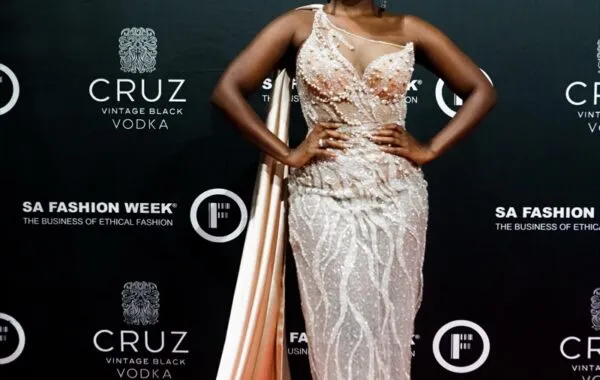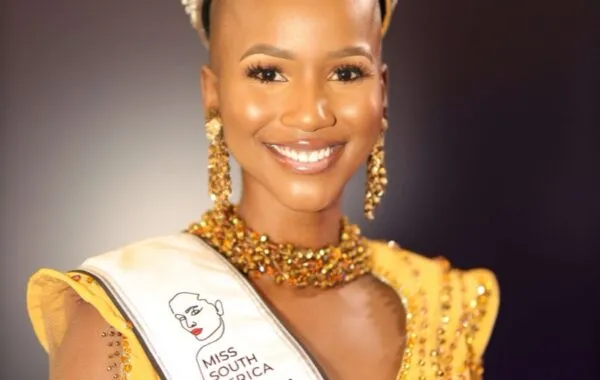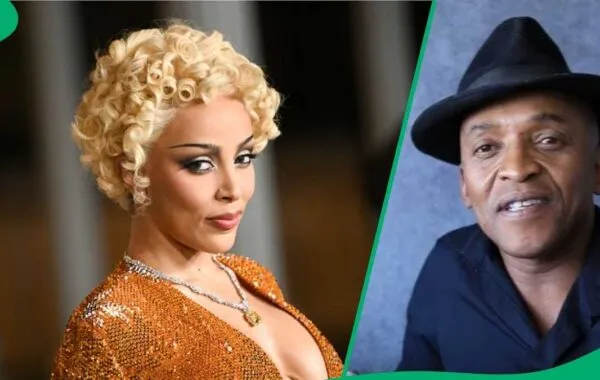

Many celebrities are often bestowed with the title of fashion icons, with very little motivation as to why people consider them to be so. For many, locally, their admiration for Bonang Matheba’s dress sense, for example, merits calling her an icon, in the same way that many think of Beyonce as a fashion icon. But are they really?

The root of the word “icon” is about, as the dictionary defines it: “a person or thing regarded as a representative symbol or as worthy of veneration (great respect)”.

As such, it is perhaps acceptable to define Bonang Matheba as an icon, considering so many respect her dress sense, but further probing the essence of iconography means we must look at the influence one’s style has in the cultural context.

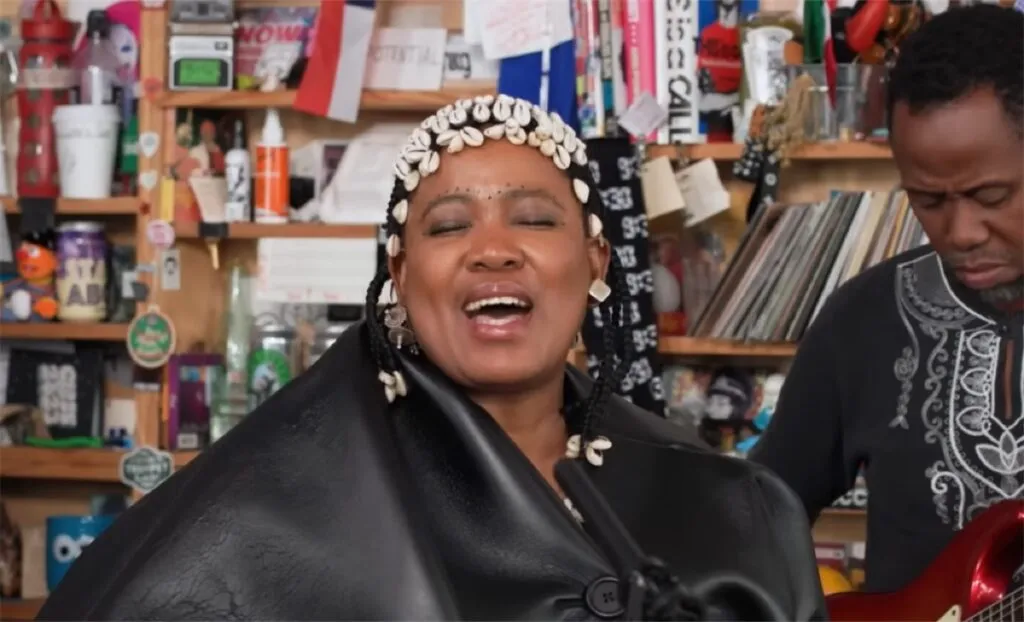
If we do that, then Thandiswa, we can argue, is definitely a style icon.
Without looking at history it might sound ridiculous to claim that she inspired a generation of people who embrace their Africannes, both in how they dress and how they present themselves, but if one looks to the early 2000s, it is clear that few mainstream stars embraced traditional garb, and even fewer gave it the kind of Afrofuturist twist that Thandiswa embodied back then and continues to today.
In essence, Thandiswa’s influence on culture and style is tangible in that it represents a mindset, and is very evident in what we see younger stars who came after her doing, Amanda Black probably being the most prominent today.
That said, we definitely think of Thandiswa as both a cultural and style icon.
Main image credit: instagram.com/thandiswamazwai