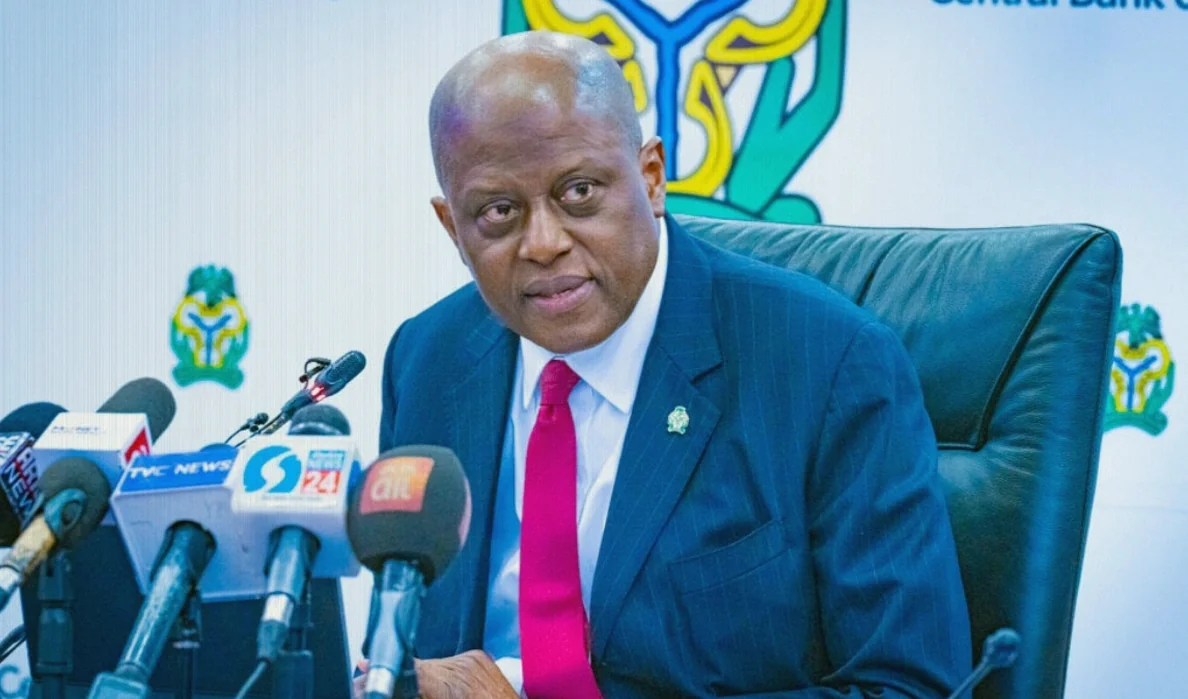
Nigeria’s central bank has cautioned state governors that erratic fiscal decisions at the sub-national level could derail efforts to maintain price stability under the nation’s inflation-targeting approach. The warning came during a recent meeting between the Central Bank of Nigeria (CBN) and the Nigerian Governors Forum (NGF), as the two sides sought to deepen coordination to improve inflation outcomes across the country.
In a statement from the CBN, Muhammad Abdullahi, the deputy governor overseeing the Economic Policy Directorate, said Nigeria’s shift toward inflation targeting is designed to move monetary policy toward a clearer, rules-based and forward-looking framework. He argued that such a transition cannot succeed without strong alignment with state governments, given how closely fiscal actions can interact with inflation dynamics.
Abdullahi emphasized that while the CBN is tasked with using monetary policy instruments to manage inflation, state-level fiscal choices can materially affect the inflation path. He noted that inflation targeting depends heavily on shaping public expectations, and that expansionary—or simply poorly coordinated—state fiscal measures can reduce the effectiveness of the central bank’s monetary actions.
The deputy governor outlined a range of ways states can influence inflation, including their borrowing strategies, growth in domestic debt, spending patterns, wage commitments, implementation of capital projects, accumulation of salary arrears, and the way contractors are funded. He also pointed to the use of overdrafts, weak coordination related to Federation Account Allocation Committee (FAAC) receipts, debt service obligations, and cash management practices as additional transmission channels.
“Within an inflation-targeting regime, persistent, unpredictable, or expansionary fiscal behavior at the sub-national level can significantly undermine price stability,” Abdullahi said.
On the NGF side, Abdullateef Shittu, the forum’s director general, praised the central bank and its leadership for what he described as the strategic foresight behind the engagement, highlighting the importance of collaboration in strengthening inflation control efforts.
Recent inflation figures underscore the policy challenge. Nigeria’s headline inflation rate stood at 15.38% in March 2026, while food inflation was 14.31%.