The Federal Government has welcomed the International Monetary Fund’s latest evaluation of Nigeria’s economic performance, framing it as a clear endorsement of the reform drive launched under President Bola Ahmed Tinubu. In its 2026 Article IV Consultation Report, the IMF pointed to a set of major policy shifts credited with improving the country’s macroeconomic conditions, including the removal of fuel subsidies, steps to liberalise the foreign exchange market, the move away from financing deficits through money creation, and stricter fiscal oversight. Taken together, the Fund said these measures have helped stabilise key indicators and strengthened Nigeria’s medium-term economic outlook.
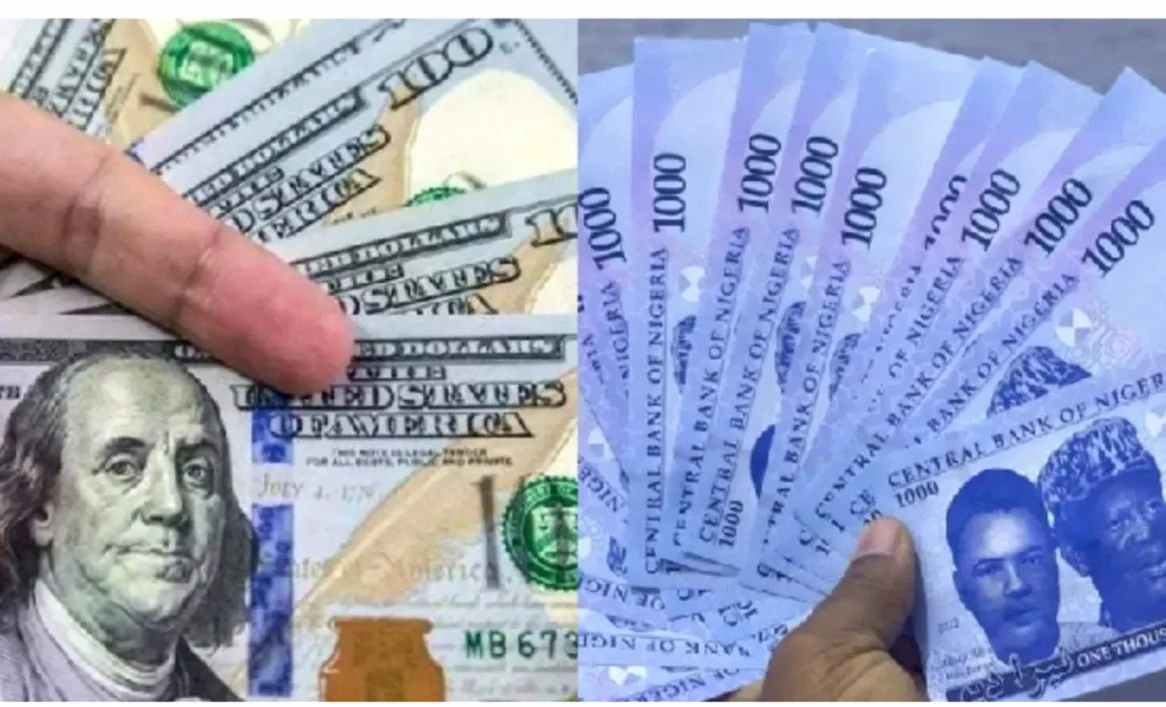
The IMF also argued that the reforms have delivered tangible benefits beyond headline stability. It said they have supported higher external reserves, helped restore confidence among investors, and improved Nigeria’s capacity to absorb and respond to shocks originating from the global economy. While the report acknowledged pressure on Nigeria from rising energy prices connected to tensions in the Middle East, it noted that the foreign exchange market has remained comparatively steady. In particular, it said the exchange-rate premium has stayed below the 5 per cent threshold, suggesting limited stress in the currency spread despite the external environment.
In its response, the government said the assessment confirms the direction of its economic agenda. It quoted the IMF’s findings as evidence that the reforms have bolstered macroeconomic stability, strengthened investor sentiment, and increased Nigeria’s resilience in the face of international headwinds. The Federal Government also highlighted the Fund’s view that Nigeria could gain from higher oil receipts as global energy prices rise, while also pointing to the report’s conclusion that investor confidence has remained firm.
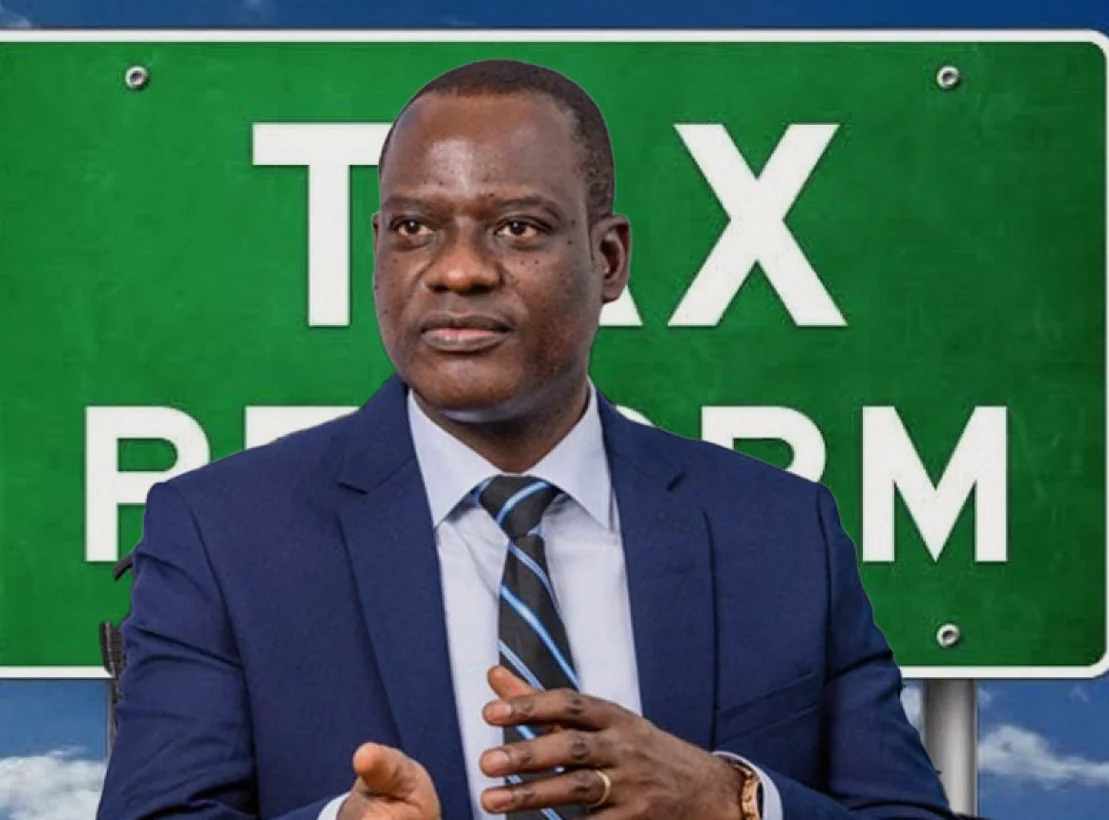
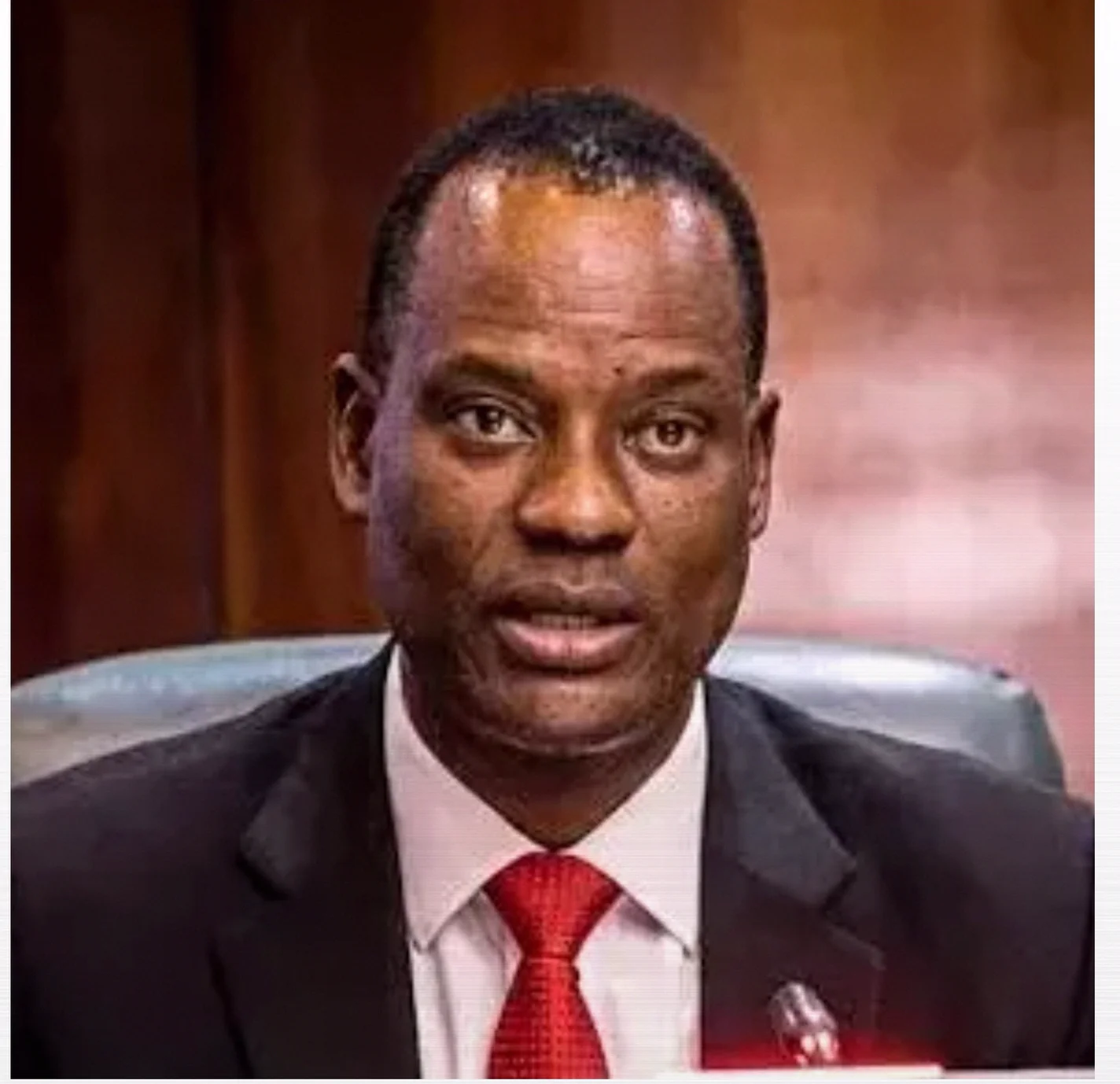
Reacting to the IMF’s appraisal, the Minister of Finance and Coordinating Minister of the Economy, Taiwo Oyedele, stressed that persistent social pressures—including poverty and food insecurity—remain among the most significant challenges facing the country. Oyedele said the administration will continue to tackle these issues through targeted programmes, including social protection measures, agricultural development initiatives, and job-creation efforts designed to improve living conditions for Nigerians.
On the outlook, the IMF projected that Nigeria’s economy is set to grow by more than 4 per cent over the medium term. The Fund also noted that Nigeria’s public debt burden is easing when measured against Gross Domestic Product, which it linked to improvements in fiscal management. The Federal Government said the overall message of the report reinforces its belief that ongoing reforms are building the groundwork for more durable growth, better macroeconomic stability, and improvements in everyday standards of living.