
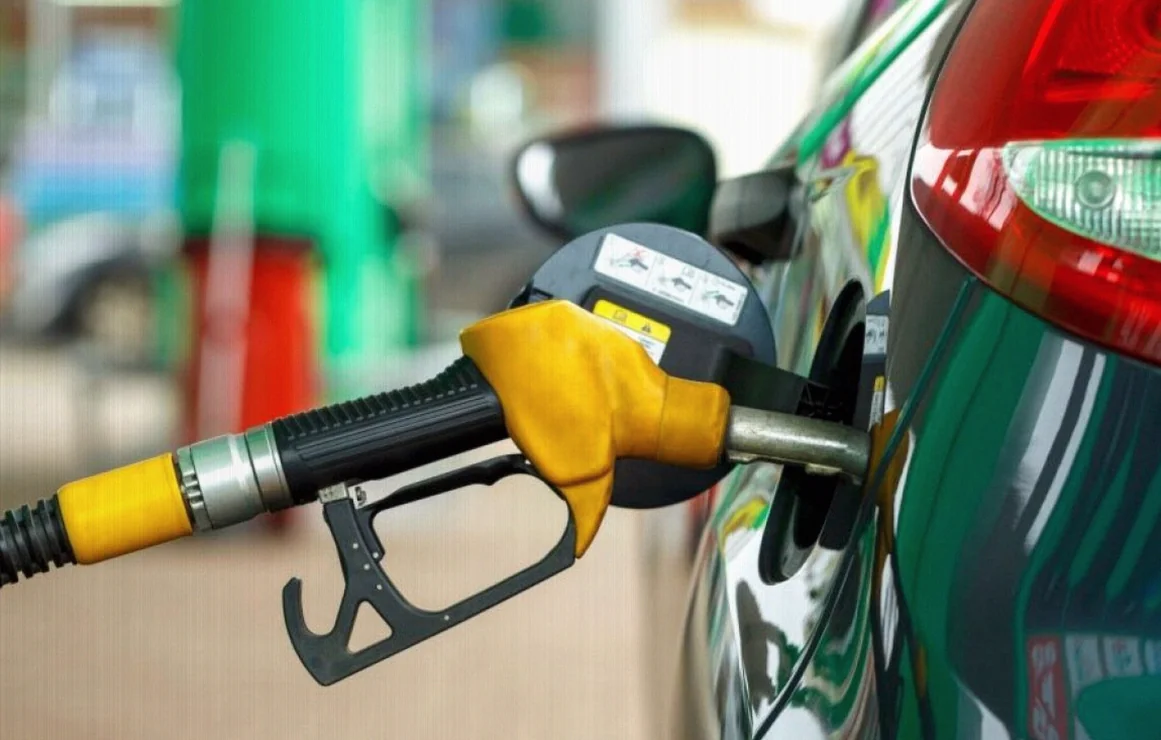
Nigerian petrol pumps cut their Premium Motor Spirit (PMS) prices on Saturday, just a day after stations lifted rates. Fresh checks in Abuja showed multiple marketers trimming pump prices as they respond to shifting costs in the downstream chain.
In the capital, Ranoil and Empire Energy adjusted their retail prices to N1,365 and N1,375 per litre, respectively, following Friday’s level of N1,440 per litre. That translates to marketers reducing prices by N65 and N75 per litre, depending on the outlet.
Quick facts
- Petrol pump prices in Abuja fell on Saturday after a hike less than 24 hours earlier.
- Ranoil adjusted PMS to N1,365 per litre from N1,440 on Friday.
- Empire Energy adjusted PMS to N1,375 per litre from N1,440 on Friday.
- Price cuts equaled N65–N75 per litre across the affected stations.
- The reduction was aimed at drawing more customers.
- Brent crude moved from $114 to $108 per barrel; WTI moved from $105 to $101 in the same period.
The latest cut was described as a move intended to attract patronage from motorists. With competition among stations intensifying, even small retail changes can quickly alter customer demand, particularly when consumers are highly price-sensitive.
Three days earlier, Nigerian filling stations had increased pump prices nationwide. Retail PMS rates were reported to have been raised to a band of N1,365 to N1,440 per litre after both the Dangote Refinery and depot owners lifted ex-depot prices to roughly N1,275 and N1,290 per litre.
At that time, reports indicated that some outlets—including Nigerian National Petroleum Company Limited (NNPC) and MRS Bovas—moved their petrol to around N1,365 per litre. Other marketers, however, set their pump prices higher than N1,440 per litre, widening the spread across the market.
With Saturday’s reductions by Ranoil and Empire Energy, the balance shifted toward the lower end of the most recent pricing range. The majority of stations now sell petrol at about N1,365 to N1,375 per litre, narrowing the gap seen after the earlier adjustments.
The change comes amid continued pressure from global crude movements on Nigeria’s domestic fuel pricing. As Brent and West Texas Intermediate trade levels moved, local prices followed with a lag, reflecting how import and refining costs filter into pump rates.
In the latest market movement cited during reporting, Brent crude climbed to $114 per barrel before easing to $108, while West Texas Intermediate rose to $105 before falling back to $101. Those swings underscore why Nigerian fuel prices can move quickly—both upward and downward—as traders react to crude volatility.