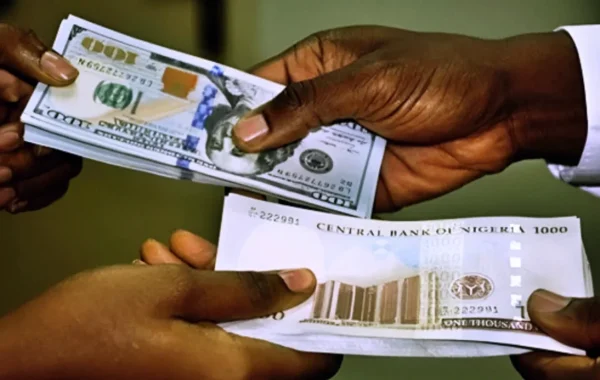
For many Nigerian publishers, the business model that once reliably financed journalism is losing its grip. Advertising—once the mainstay for print, radio and television—has been sliding, while the broader entertainment and digital media market is expanding and is projected to reach $4.9 billion by 2026. That divergence is widening a funding gap: legacy revenue streams are shrinking even as newer opportunities are multiplying, largely powered by digital platforms and shifting audience habits.
From declining ad budgets to platform-led income
In today’s media economy, earnings are no longer tied only to traditional ad placements. Publishers can also monetise through platform-based channels such as ad networks linked to major search and technology services, creator revenue on X (formerly Twitter), and content monetisation on YouTube and Spotify. These routes tend to reward reach, interaction and consistent output, but they also demand a different editorial and operational approach.
Instead of relying on one distribution format, publishers increasingly need a multi-platform strategy—taking a single piece of reporting or analysis and reshaping it for video, audio and text so it can travel across the channels where audiences already spend their time. This change in workflow and thinking was the focus of a training session aimed at helping media organisations redesign how they earn revenue.
Inside the Monetised Content Masterclass in Lagos
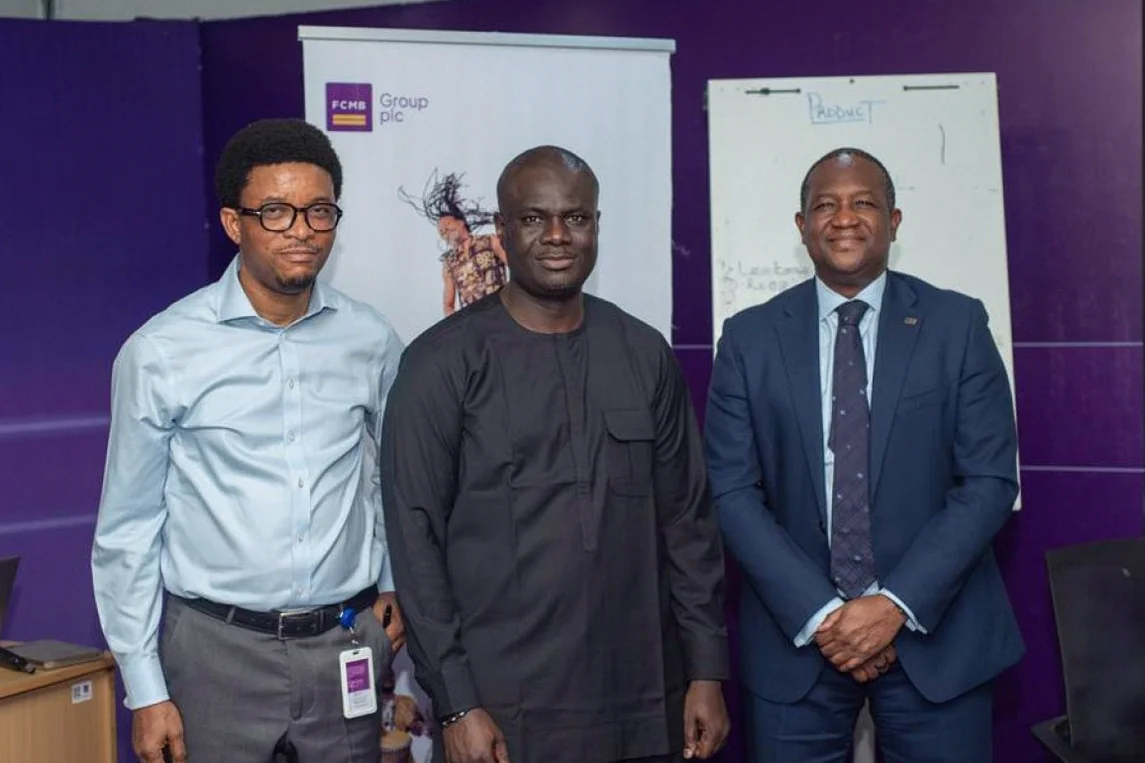
The Monetised Content Masterclass, hosted by FCMB in partnership with BHM, convened publishers across the media ecosystem, including reporters, editors, bloggers and content creators. The discussion centred on how to move beyond conventional monetisation methods and build financial resilience in a way that does not undermine editorial independence.
Speakers and participants emphasised that sustainability is now intertwined with editorial freedom, and that publishers should pursue value that goes beyond traffic metrics such as views or impressions. The goal is content that performs across multiple platforms and can be monetised through several routes, rather than only being designed for one outlet or one audience touchpoint.
- Build direct relationships with audiences, rather than relying solely on algorithmic discovery.
- Create the right brand partnerships that align commercial interests with editorial standards.
- Use data to steer both content planning and business decisions.
- Develop content that “travels” well across formats so it can be monetised in more than one way.
Tools discussed: subscriptions, branded collaborations and platform earnings
In practical terms, attendees explored multiple monetisation options, including paid memberships and subscriptions, branded content collaborations, and revenue earned directly through platform ecosystems. The workshop’s emphasis was on execution—how to take existing editorial assets and adapt them so they generate more value across several channels at once.
- Paid memberships and subscriptions as a route to steadier income.
- Branded content collaborations to support revenue while maintaining relevance.
- Platform-based earnings tied to distribution and audience engagement.
Speakers urge a mindset shift and faster industry adaptation
FCMB’s Divisional Head for Corporate Affairs, Diran Olojo, argued that the transition requires an explicit change in mindset. He said publishers must move away from seeing their work purely as content production and toward “platform thinking,” including building systems capable of sustaining value over time.
BHM’s chief executive, Ayeni Adekunle, framed the challenge as urgent. She said the media funding model has changed and the central question is whether the industry will adapt quickly enough to protect its future.
The session was moderated by Fatu Ogwuche and featured Fisayo Soyombo, Chris Ihidero, Jennifer Mairo and Peter Oluka. The speakers shared practical approaches ranging from repurposing materials across different formats to strengthening audience loyalty and unlocking additional revenue streams.
The overall message was that publishers can no longer depend on a single income source. Sustainable growth, participants said, will come from combining platform earnings with partnerships and direct audience support—while ensuring content is engineered to work across multiple formats and distribution channels.
FCMB backs the push for long-term media sustainability
For FCMB, the masterclass reflects an ongoing commitment to supporting the growth and long-term sustainability of the media sector. The bank linked this support to the sector’s broader role in informing the public, shaping opinion, and contributing to national development.
The event took place in Victoria Island, Lagos, on Monday, April 20, 2206. Attendees included Allwell Okpi, a media strategist and information integrity expert; Fatu Ogwuche, founder and CEO of Bigtech This Week; Fisayo Soyombo, founder of the Foundation for Investigative Journalism (FIJ); Jennifer Mairo, CEO of Joy Inc.; and Peter Oluka, CEO of Techeconomy. They were present during the Monetised Content: A Media Masterclass Presented by FCMB and BHM.