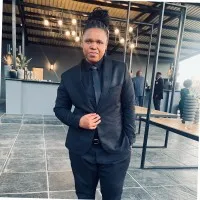
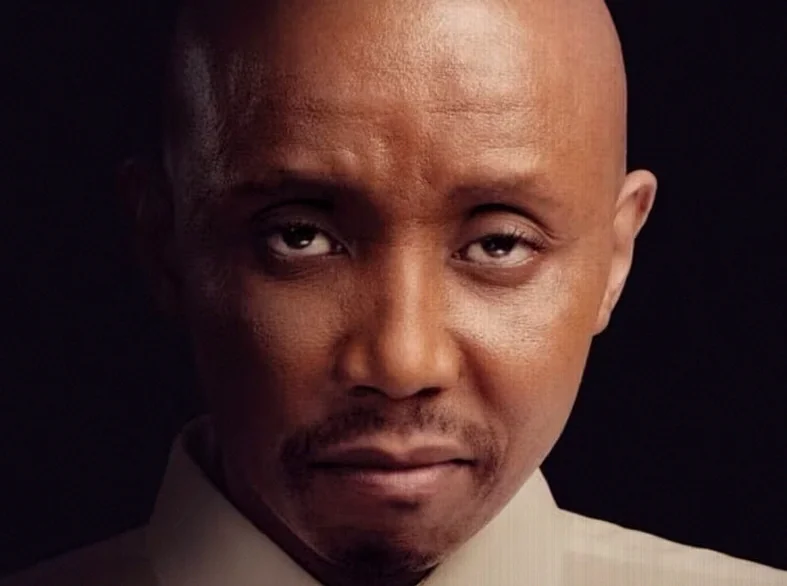
Jonasi Gomora may be drawing intense backlash in South Africa right now, but actor S’dumo Mtshali—who portrays the character in The Polygamist—is treating the controversy and buzz as a sign the series has really landed with audiences.
Key takeaways
- Mtshali said Jonasi is generating more attention online than he is, calling the situation “surreal.”
- The 22-episode drama is based on a novel by Sue Nyathi and follows a wealthy CEO as his life unravels through secret relationships.
- The Polygamist is Netflix’s top watched title in South Africa and sits in the top 10 across 13 countries.
- Sherrie Shepherd and Taraji P Henson publicly reacted to the show, with both referencing the series’ heavy impact and binge-worthy pull.
- Mtshali credited the show with sparking conversations about toxic masculinity, greed, entitlement, controlling behavior, and misogyny.
A binge-worthy obsession and a culture clash
In the series, viewers track how Gomora—a wealthy CEO with a carefully curated public image—watches his empire collapse as his hidden network of wives and mistresses comes to light. The storytelling has fueled heated discussions across social media, with audiences dissecting themes such as toxic masculinity, greed and entitlement, controlling men, and misogyny.
On the viewing charts, The Polygamist is currently Netflix’s most watched show in South Africa. It has also climbed into the top 10 in 13 countries, turning the series into a global conversation rather than a local hit.
Celebrity reactions amplify the buzz
Mtshali’s co-signs are coming from well-known names outside South Africa, too. American media personality Sherrie Shepherd shared a long video about the plot, describing the show’s “crazy rich” world as something she couldn’t switch off once she started. Taraji P Henson also weighed in, writing that the series pulled her in so completely she watched all 22 episodes during a single day off, adding that she planned to return for commentary once the dust settled.
Mtshali said the worldwide response has been meaningful, explaining that the show is pushing people to talk about uncomfortable issues rather than letting them slide. He added that many viewers feel a personal connection—whether the “Jonasi” in their lives is a husband, boyfriend, or father—making the series feel more relevant than sensational.
Opening conversations, even for the curious
Speaking about the reaction, Mtshali noted that not everyone responds with offense. He said some people remain curious, and that the series is built to keep serious topics moving through a light-hearted approach to discussion, without losing the gravity of what’s being addressed.
He also pointed out that viewers have been taking the material very personally, describing how the show can trigger strong emotions and push audiences to feel “moved.”
Mtshali compared the televised version to Sue Nyathi’s book, arguing that the source material is even wilder. He said the adaptation had to cut a large amount of content to shape the final story, clarifying that while the show includes sexual scenes, the larger focus is on the different relationships and the character’s broken, addictive nature—rather than relying on shock alone.
Faith, intensity, and guidance from real-world headlines
Despite the work’s heavy themes, Mtshali said the production process was so intense that it affected his family’s mindset while he was auditioning and while filming was underway. He described needing a grounding force throughout the project and said he found that stability through God.
For his performance, Mtshali also drew inspiration from the Sean Combs case in the United States—known publicly as Diddy, formerly Puff Daddy—while The Polygamist was being shot. He referenced the scandal-focused coverage surrounding the rapper, who faced multiple accusations of sexual misconduct. Mtshali noted that last year, Combs was found guilty of transportation to engage in prostitution, while being found not guilty on racketeering and sex trafficking charges.
Daniels of the internet: TikTok, tweets, and not-too-deep scrolling
Mtshali said the timing of the Diddy trial and The Polygamist production gave him additional context for the character’s mindset, especially when looking for parallels between the headlines and the behavior he was portraying. He described the acting process as both beautiful and intimidating, adding that he felt like an observer while inhabiting the role.
He returned to the adaptation choices, reiterating that the book contains more material than what made it to screen. He stressed that the focus is on relationships and how the character’s addiction shapes everything around him, even when the sex scenes are included as part of that larger picture—moments he said could feel exhausting to bring to life, while also becoming a meaningful acting challenge.
Mtshali also addressed the relentless online chatter. He said he sees new TikTok posts every day and recalled spotting a tweet calling Jonasi “wild,” which he viewed as a positive development because it has helped open a dialogue far beyond South Africa.
Still, he admitted he hasn’t kept up closely with the social media debate himself. He explained that since the premiere he has been living between two worlds—home and the set—so he hasn’t been exposed to much of the online drama. He added that he understands the digital attention is always there, but said it’s still early days, with much more reaction likely to come.