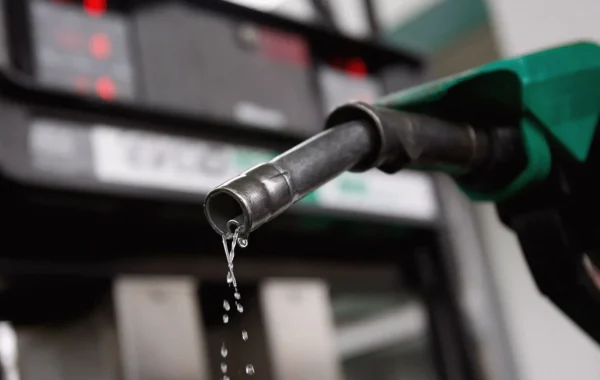
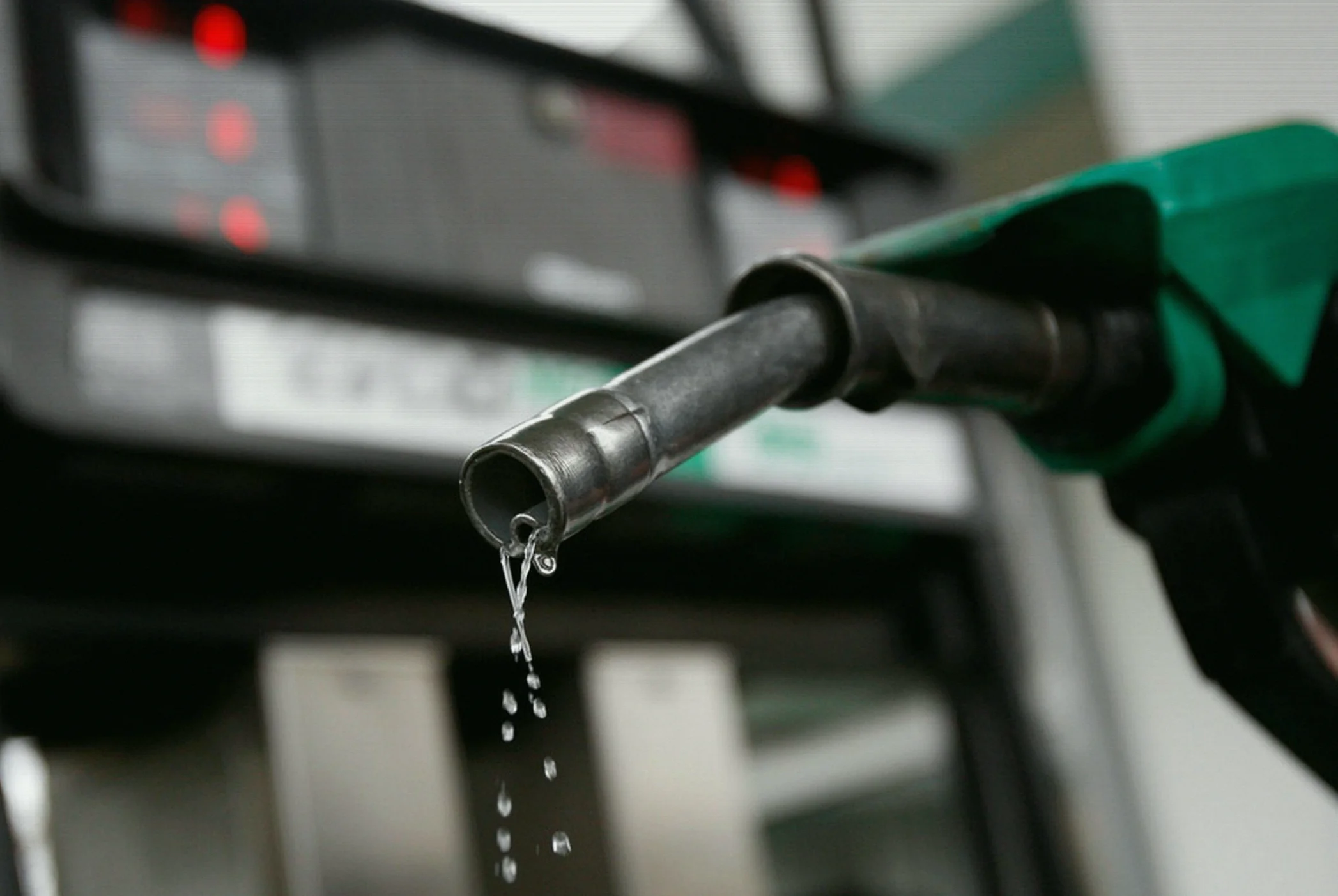
President Bola Ahmed Tinubu’s government has not yet responded to calls for fuel and diesel prices to fall in step with crude oil declines, as international benchmarks ease after a spike tied to the Middle East conflict. With West Texas Intermediate slipping to about $69 a barrel and Brent around $71, crude is approaching levels seen before the escalation of the Iran–United States–Israel confrontation on February 28, 2026—yet Nigerians and regulators are still pressing for sharper reductions at the pump.
Crude retreats, but Nigeria’s fuel debate intensifies
Daily Post reported that both major crude markers have dropped from peaks near $100 as tensions in the Middle East have cooled. The article links the earlier surge in energy costs to a broader shock for global economies, saying prices jumped sharply during the period when the conflict intensified and then remained elevated through much of the subsequent months.
Now that crude has eased, consumers are expecting a corresponding decline in energy prices. The argument is reinforced by the timing of the latest global moves: within days, United States President Donald Trump used his Truth Social account to criticize oil firms for not lowering fuel prices and called for an investigation.
Nigeria’s pump prices surged during the crisis
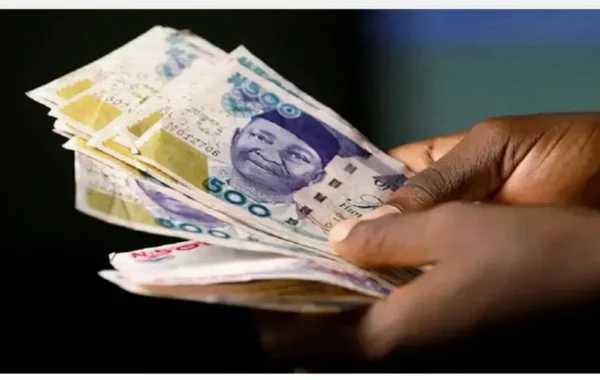
In Nigeria, the Middle East flare-up translated into a near doubling of fuel prices and other petroleum product costs, according to Daily Post. Before February 28, petrol was reported at roughly N800 to N900 per liter, but it climbed as high as N1,400 per liter before settling into a new, higher range.
- In Abuja and surrounding areas, petrol was reported to trade between about N1,241 and N1,305 per liter.
- The article said the earlier crisis-driven increases left consumers seeking a return to pre-conflict pricing levels, including demands for rates below N1,000 per liter.
Daily Post also cited a specific corporate pricing pattern from Dangote Refinery. Over the last two weeks, the refinery announced two reductions to its gantry petrol price.
- First reduction: Dangote cut its gantry petrol rate by N75 per liter, from N1,250 to N1,175; the report said this move was followed by a nationwide decrease in pump prices nearly a week later.
- Second reduction: barely a day before the latest report, the refinery lowered its gantry price again by N50 per liter, taking it to N1,125 per liter.
Even with these changes, Nigerians have continued to call for petrol prices to fall further—specifically to levels below N1,000 per liter, which the article describes as the petrol rate before the Middle East crisis.
Pressure on government as experts warn of delayed price effects
A Nigerian media monitoring group recently urged the government to compel oil firms—including petroleum product marketers—to bring fuel costs to below N1,000 per liter, arguing that crude prices have already returned toward pre-war levels. The group’s position underscores the core policy demand: that domestic prices should mirror international crude trends more quickly and more fully.
Meanwhile, Professor Emeritus of Petroleum Economics and energy expert Wumi Iledare said petroleum product pricing often reflects what is called “asymmetric price transmission.” In practical terms, this means declines in crude do not always translate immediately into reduced prices for refined products.
- Iledare’s point: the linkage between crude and refined fuel prices can be uneven, with drops in crude sometimes failing to produce equal and immediate reductions at the pump.
Who has not responded—and inflation pressure
Daily Post reported that President Tinubu—who also serves as the substantive minister of petroleum resources—has not replied to calls for fuel and diesel price cuts that match the crude decline. It said similar silence extends across other parts of the energy and competition oversight structure.
- Oil Minister of State Heineken Olokpobiri has not issued an official response.
- The Nigerian Midstream and Downstream Petroleum Regulatory Authority has not publicly reacted.
- The Federal Competition and Consumer Protection Commission has not officially responded.
High energy costs remain a central concern for policymakers because of their inflation impact. The report said inflation rose to 15.93 percent in May 2026, highlighting why pressure is growing for authorities to address whether crude price relief is showing up fast enough in domestic fuel pricing.