
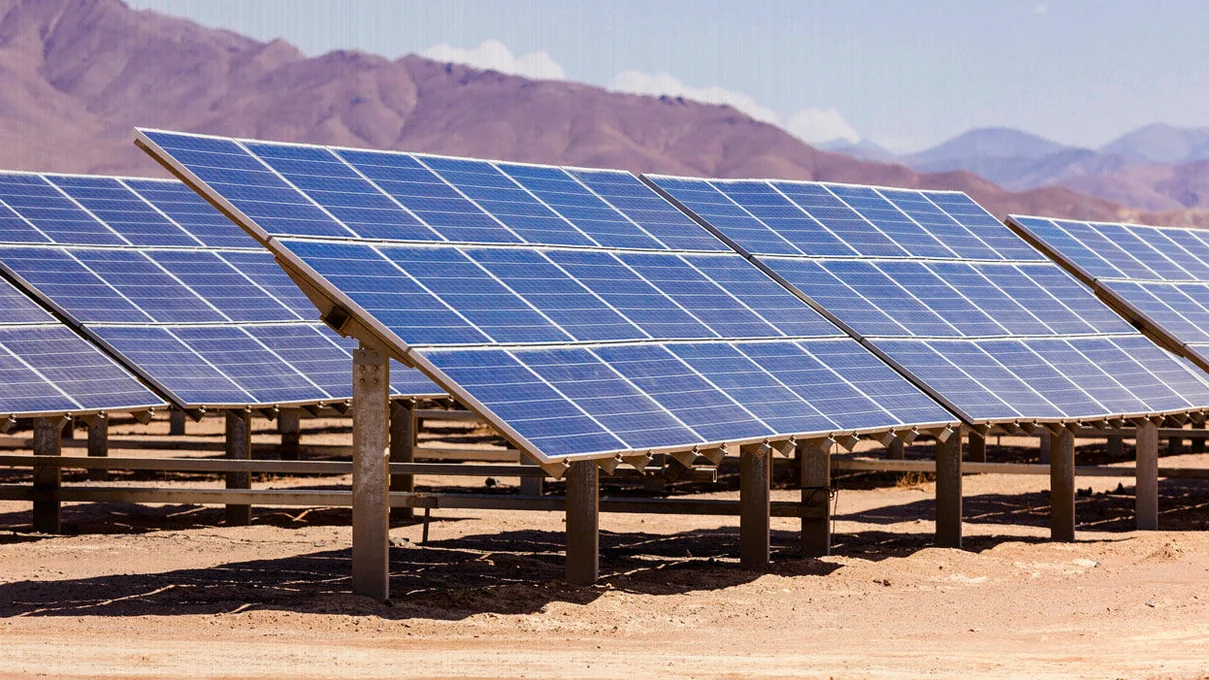
Nigeria’s Rural Electrification Agency (REA) says distributed renewable power is the quickest route to durable economic expansion and a workable solution to the country’s long-running electricity shortages, arguing that the future grid will depend on a portfolio approach rather than a single technology.
Key takeaways
- REA Managing Director Abba Aliyu said distributed renewables offer Nigeria its fastest path to steady economic growth.
- Aliyu argued that industrial competitiveness will rely on reliable, affordable, and scalable electricity systems.
- He said the power challenge requires combining national grid, gas, hydropower, solar, storage, embedded generation, mini-grids, private capital, local manufacturing, data, and coordination.
- Aliyu described a future in which mini-grids and solar infrastructure support not only homes but also productive businesses and services.
- Power Minister Joseph Tegbe said electricity-sector reform is a generational effort and cannot be completed within one administration.
- Tegbe pointed to the Electricity Act as the legislative basis for changes in governance, including new roles for states.
Distributed power as a growth strategy
Abba Aliyu, REA’s Managing Director, made the remarks at an event in Lagos, framing distributed renewable energy as central to tackling Nigeria’s electricity constraints and enabling sustained growth. He stressed that industrial strength will depend on whether the country can deliver power that is dependable, reasonably priced, and capable of scaling as demand rises.
Aliyu said expanding mini-grids and building solar infrastructure for industrial use should not be viewed as a choice between the national grid and off-grid solutions. Instead, he argued Nigeria needs a “smarter” power system that draws on every workable option available. In his view, the country still needs the national grid and additional generation sources—including gas and hydropower—alongside solar. He also highlighted storage, embedded generation, and mini-grids as necessary components, while calling for private investment, domestic manufacturing capacity, better data, and stronger coordination across stakeholders.
He added that the renewable energy market of the future is likely to look fundamentally different from the power arrangements of the past. While a mini-grid supplying electricity to households can improve everyday living, Aliyu said the economic impact becomes far broader when the same infrastructure powers a full set of productive activities—such as rice milling, cold storage, welding clusters, clinics, digital services hubs, and local markets.
Reform may take more than one political term
Joseph Tegbe, Nigeria’s Minister of Power, said the transformation of the electricity sector is inherently generational and therefore cannot be completed within a single administration. He cautioned that the damage accumulated over more than five decades cannot be repaired through a short, three-month effort.
On the drivers of the sector’s problems, Tegbe said the most significant barriers are governance and commercial issues, with the technical dimension accounting for only about 20% of the overall challenge. He argued that effective reform must therefore focus heavily on policy, oversight, and the business environment surrounding power delivery.
The minister said the cornerstone of the transformation is legislation, pointing to the Electricity Act as a measure that has reshaped the governance structure of Nigeria’s electricity sector. He noted that states now have constitutional authority to transmit, generate, and regulate power, adding that the current administration has moved to democratize energy governance.