
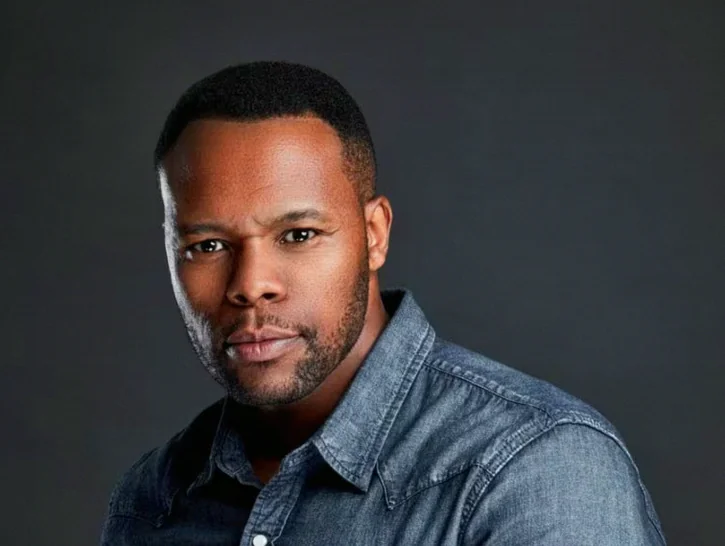
Actor Tumisho Masha has spoken out as tensions rise in South Africa amid the March and March civic movement, adding his voice to a wider international debate sparked by anti-migrant protests.
Key takeaways
- Tumisho Masha said South Africa is being wrongly portrayed as xenophobic over the protests.
- He argued the core concern is the unmonitored arrival of undocumented migrants.
- The actor emphasized that securing borders and enforcing immigration rules is a normal government responsibility, not hatred.
- He pointed to domestic pressures including unemployment, stressed healthcare, crowded schools, and strained policing.
- Tumisho urged marchers to keep the demonstrations peaceful, rejecting violence and looting.
Tumisho Masha addresses international backlash
In remarks shared on his social media timeline on Monday, Tumisho Masha pushed back against criticism coming from abroad, saying the conversation has been shaped by claims that South Africans “hate” other Africans.
He insisted that the country is not defined by xenophobia, noting that South Africa has historically contributed peacekeeping forces to the Democratic Republic of Congo, supported Mozambique against terrorism, and welcomed large numbers of people from across the continent.
At the center of the dispute, he said, is the unregulated flow of undocumented immigrants into the country.
“Every sovereign nation has both the right and responsibility to secure its borders and enforce its immigration laws,” he stated, adding that this approach is rooted in governance rather than hostility.
Domestic pressures and a call for peaceful action
He linked the protests to the strain many communities are already experiencing, citing extremely high unemployment levels, pressure on hospitals, overcrowded schools, and police resources stretched thin. He also said the economy is struggling to create opportunities for South Africans.
“As South Africans we must also understand what’s at stake,” Tumisho continued. “This is the moment where narratives are formed. If we stay silent, others will tell our story.”
While acknowledging the nationwide march, he urged participants to demonstrate calmly and responsibly—calling for no violence and no looting.
Tumisho further argued against the idea that defending national borders makes people “bad,” saying it is instead a basic expectation shared by countries worldwide.
He concluded by noting that even as many people respond seriously to the protests, some online content creators have chosen to treat the situation lightly on their own timelines.