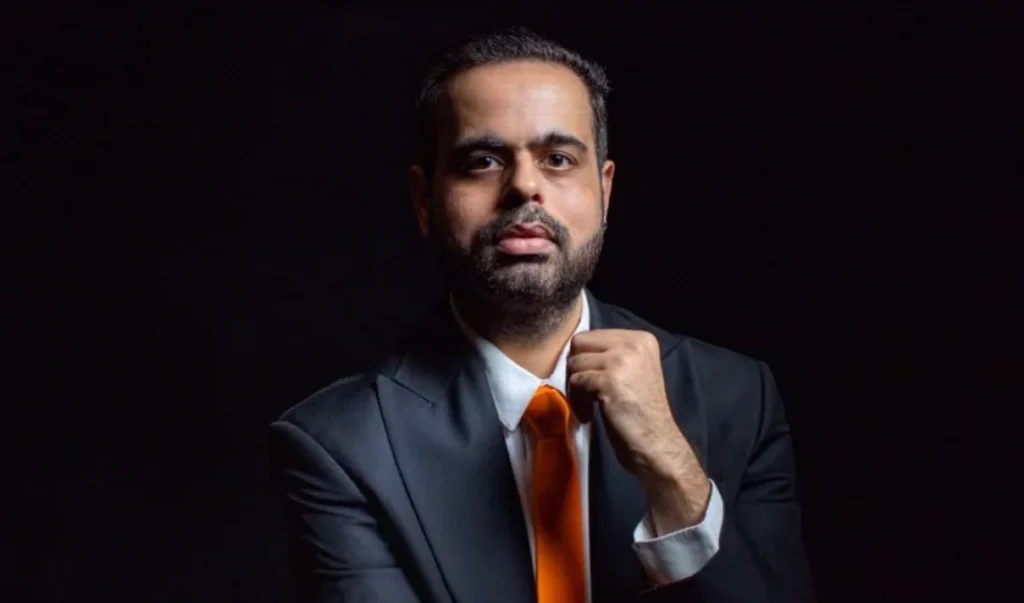
As investors look beyond established markets for the next major source of growth, the emerging economic link between Africa and the Gulf is attracting attention as a potential trillion-dollar opportunity. Prateek Suri, chairman of Maser Group and chief executive of MDR Investments, says Africa’s population growth, resource base and expanding consumer demand could combine with Gulf funding, logistics capabilities and financial expertise to form one of the defining investment themes of the coming decade.
A cross-border growth opportunity
Suri argues that the relationship has moved beyond a model based mainly on aid and commerce. It is increasingly focused on joint investment, industrial development, technology and the creation of lasting value for both regions.
The scale of investor interest is already visible at major technology and business gatherings. Expand North Star and GITEX now draw investors responsible for more than $1 trillion in assets. At the same time, Gulf sovereign wealth funds are pursuing expansion opportunities that can reduce their reliance on oil-linked economies.
Africa is expected to remain among the world’s fastest-growing population centers, supporting rising requirements for infrastructure, electricity, digital services, homes and transport networks. Those needs provide a broad market for Gulf capital and expertise.
Business links taking shape
Suri often points to his own career as an example of how these connections can develop. His business began as a consumer electronics operation serving African customers and later expanded into infrastructure, mining, logistics, artificial intelligence and investment across Africa and the Middle East.
He has said that an unplanned change in the route of electronics shipments into Africa several years ago gave him an early view of commercial opportunities that many international investors had not yet identified.
Dubai and other Gulf cities are also becoming important entry points for African entrepreneurs, investors and family-owned companies. These businesses are increasingly using the United Arab Emirates to secure funding, form strategic alliances and reach international customers. Suri characterizes the Gulf Cooperation Council as a link between available capital and some of the world’s most rapidly developing markets.
That view is shaping Maser Group’s expansion plans. Last month, the company strengthened its position in the Gulf’s infrastructure supply chain by introducing Emarald, a construction-products and building-materials business aimed at contractors, property developers and distributors throughout the GCC.
Emarald will begin operations in the United Arab Emirates under Suri’s chairmanship before entering selected African markets. Its initial product range includes structural steel, waterproofing products, flooring, plywood and construction equipment, serving the Gulf’s expanding property, industrial and infrastructure sectors.
The launch forms part of Maser Group’s wider effort to operate where infrastructure investment, supply chains and cross-border growth between Africa and the Gulf overlap.
Recognition and investment priorities
Suri has also gained greater visibility among Gulf business leaders. A 2026 ranking of the region’s 50 leading executives and chief executives named him among the figures influencing the future of commerce across the Middle East and North Africa.
The recognition highlights his work developing a diversified business covering infrastructure, artificial intelligence, mining, logistics and industrial supply chains, as well as his efforts to deepen commercial and investment relationships between Africa and the Gulf.
Suri sees infrastructure demand in the Gulf and Africa’s supply chains, manufacturing capacity and development needs as parts of the same long-term trend. He has stressed that artificial intelligence depends on foundational assets such as electricity generation, transport, buildings, data centers and industrial facilities, arguing that the strongest future businesses will be those able to connect these systems across national borders.
Analysts are increasingly identifying critical minerals, clean power, logistics routes, digital infrastructure, food security and construction materials as sectors drawing Gulf investment into Africa. African companies, meanwhile, are seeking Gulf-based finance, commercial partners and access to wider markets.
Suri believes the corridor is still at an early stage. In his view, the governments and companies that act first will have a major role in shaping the next phase of economic growth between Africa and the Gulf.