Nigeria’s national oil company plans to introduce 50 to 70 automated, self-service filling stations across the country within six months, as it begins reshaping its retail network into broader energy and transport hubs.
Key takeaways
- NNPC Limited expects the first wave of smart stations to be rolled out nationwide within half a year.
- The upgraded sites are intended to provide petrol, electric-vehicle charging, liquefied petroleum gas and compressed natural gas.
- The automation programme could reduce demand for filling-station attendants in a labour market already facing severe unemployment.
- Estimates put the number of unemployed Nigerians between 10 million and 80 million.
NNPC’s planned retail transformation
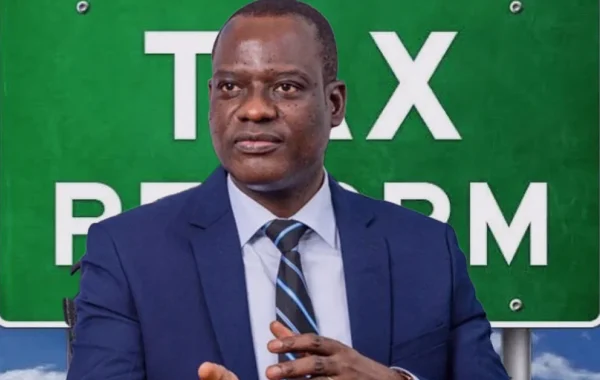
Mumuni Dagazau, executive vice-president for downstream operations at NNPC Limited, announced the programme on Thursday during the launch of a smart mega station in Abuja.
He said the company aims to convert its traditional retail outlets into modern energy and mobility centres. In addition to conventional petrol sales, the facilities are expected to support electric-vehicle charging, liquefied petroleum gas, compressed natural gas and related services.
Dagazau said NNPC intends to establish a substantial number of the automated stations—roughly 50 to 70—over the coming six months. He presented the rollout as the direction in which the company’s retail operations will develop.
Employment concerns
The shift towards self-service facilities may improve efficiency and broaden the range of energy services available to motorists, but it also raises concerns about jobs. Greater automation could push petrol attendants out of work in Nigeria, where employment opportunities are already scarce.
Unemployment estimates in the country range from 10 million to 80 million people, underscoring the potential social impact of reducing staffing at filling stations.