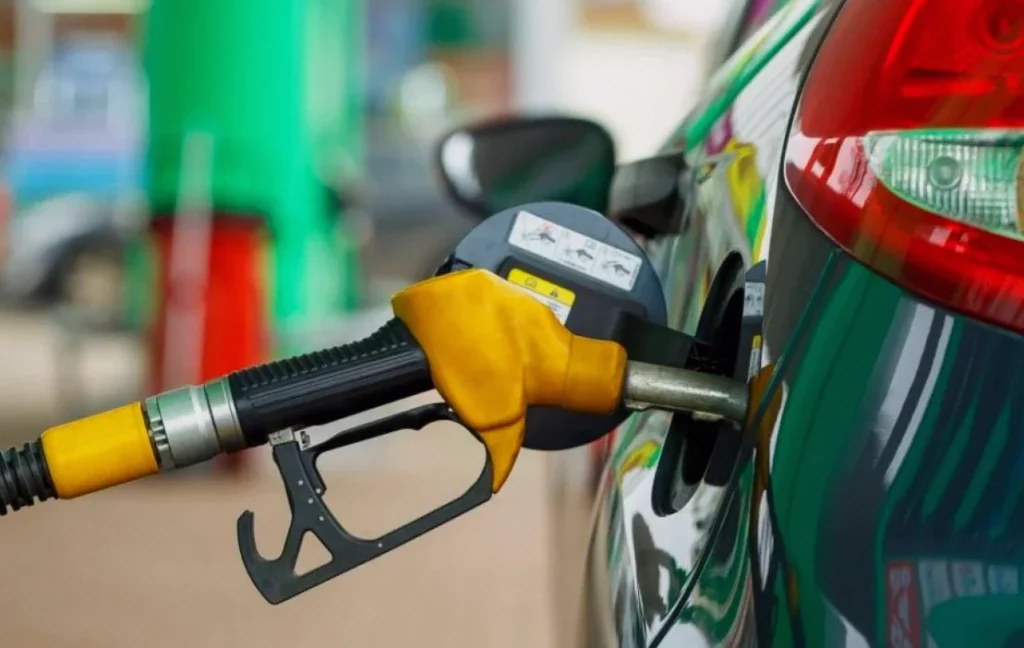
A renewed decline in international crude prices is increasing pressure on Nigerian fuel marketers and refiners to lower the pump price of Premium Motor Spirit (PMS), commonly known as petrol.
Key takeaways
- Brent crude fell 0.99% to $103.90 a barrel, while WTI declined 1.58% to $100.30.
- Brent had recently climbed past $107 per barrel as conflict risks intensified in the Middle East.
- Petrol is selling for N1,395–N1,450 per litre at Nigerian filling stations.
- Prices in Abuja and nearby areas are lower, at roughly N1,310–N1,345 per litre.
- The NMDPRA said it does not have the power to determine petrol pump prices.
Crude retreat raises pressure on fuel sellers
Brent futures and West Texas Intermediate both weakened over the weekend. Brent dropped 0.99% to $103.90 a barrel, while WTI lost 1.58% to settle at $100.30.
The decline followed a sharp rally in Brent, which had pushed the benchmark above $107 a barrel amid renewed tensions in the Middle East. Higher crude costs had contributed to a steep increase in domestic petrol prices across Nigeria.
With international oil prices now moving lower, refiners and fuel distributors face mounting demands to pass on the reduction to consumers through cheaper petrol. The development is economically significant for households and businesses because PMS prices feed directly into transport, logistics and operating costs.
Petrol prices and regulatory position
Retail prices at Nigerian filling stations currently range from N1,395 to N1,450 per litre. In Abuja and surrounding communities, motorists are paying between N1,310 and N1,345 per litre.
In a statement issued on Saturday, the Nigerian Midstream and Downstream Petroleum Regulatory Authority said it could not set petrol prices at filling stations. The regulator’s position comes as consumers and market participants assess whether the latest fall in crude prices will translate into lower domestic fuel costs.