
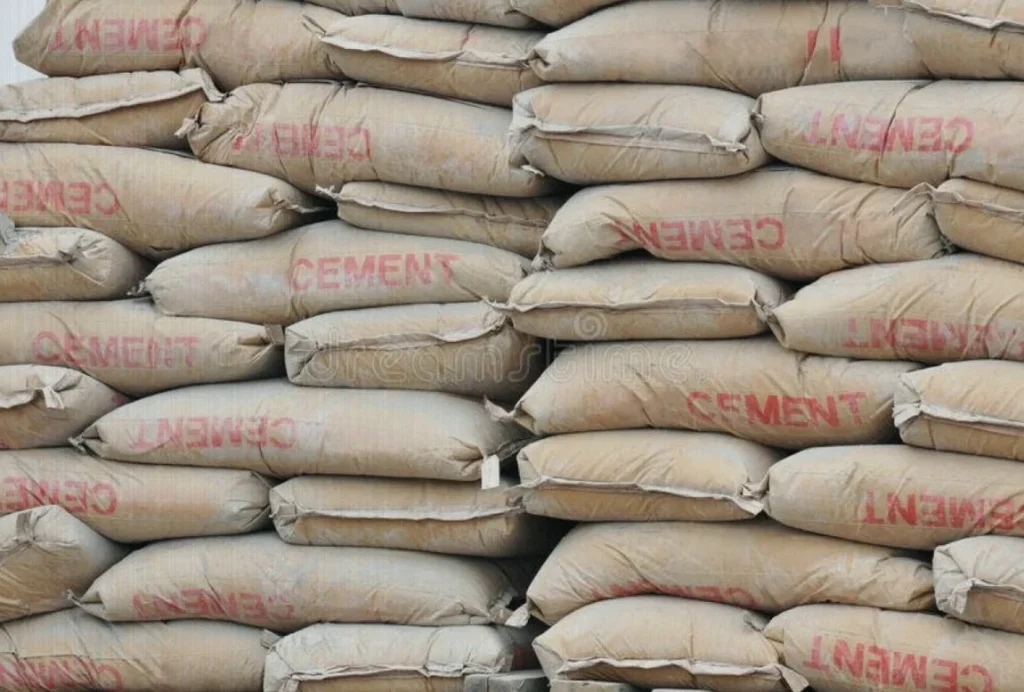
Housing-sector specialist Aliyu Wammakko has urged Nigeria’s federal government to reduce taxes on cement manufacturers and introduce production subsidies, arguing that lower building-material costs are essential to easing rent inflation and the country’s housing shortage.
Rising material costs push up rents
Wammakko made the case in an interview on Friday as Nigerians face sharp increases in house rents driven by more expensive construction inputs. High rental charges have become a major concern for households across the country, while the rising cost of building materials is making home ownership less attainable.
He identified cement and iron rods as key pressures on the housing market, saying their price increases were deepening Nigeria’s housing deficit. Cement, he said, has climbed by at least 50 percent and requires government action through effective legislation.
“The most pressing issue in Nigeria today is the cost of building materials,” Wammakko said. He argued that landlords should not be blamed entirely for higher rents because they, like tenants, operate within the same costly market.
In his view, rent inflation is directly linked to construction expenses rather than being an isolated decision by property owners. A bag of cement, he said, now sells for about N13,000, compared with N7,500 when he purchased it in March 2025, and the price continues to rise.
Calls for tax relief and housing regulation
Wammakko, a former president of the Real Estate Developers Association of Nigeria (REDAN), said the government should address the various taxes and levies charged to cement producers. Reducing those costs, he argued, would give manufacturers room to lower their selling prices.
- Review and reduce the multiple taxes and levies imposed on cement producers.
- Provide incentives and subsidies to support domestic cement production.
- Use cheaper construction materials to bring down the overall cost of housing.
He also called on the government to sign the Real Estate (Regulation and Development) Bill, commonly known as the RECON Bill, which was passed by the 9th National Assembly. He presented the legislation as another step toward a government response to the housing market’s challenges.
“To resolve this crisis, the government should subsidise cement production and remove the taxes attached to it, allowing producers to offer the product at a price Nigerians can afford,” he said. In turn, he added, less expensive cement should reduce the cost of building homes.
More mortgage funding proposed
Wammakko said lower material prices would need to be accompanied by expanded access to housing finance. He proposed that the government allocate substantially more funding to the Federal Mortgage Bank so that Nigerians could obtain affordable loans for construction.
His recommendations include:
- Directing additional public funds to the Federal Mortgage Bank.
- Expanding access to affordable mortgage finance.
- Supporting construction that households can afford.
He said the government should consider committing at least N1 trillion to the Federal Mortgage Bank as part of a broader response to Nigeria’s housing deficit.