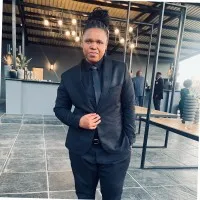
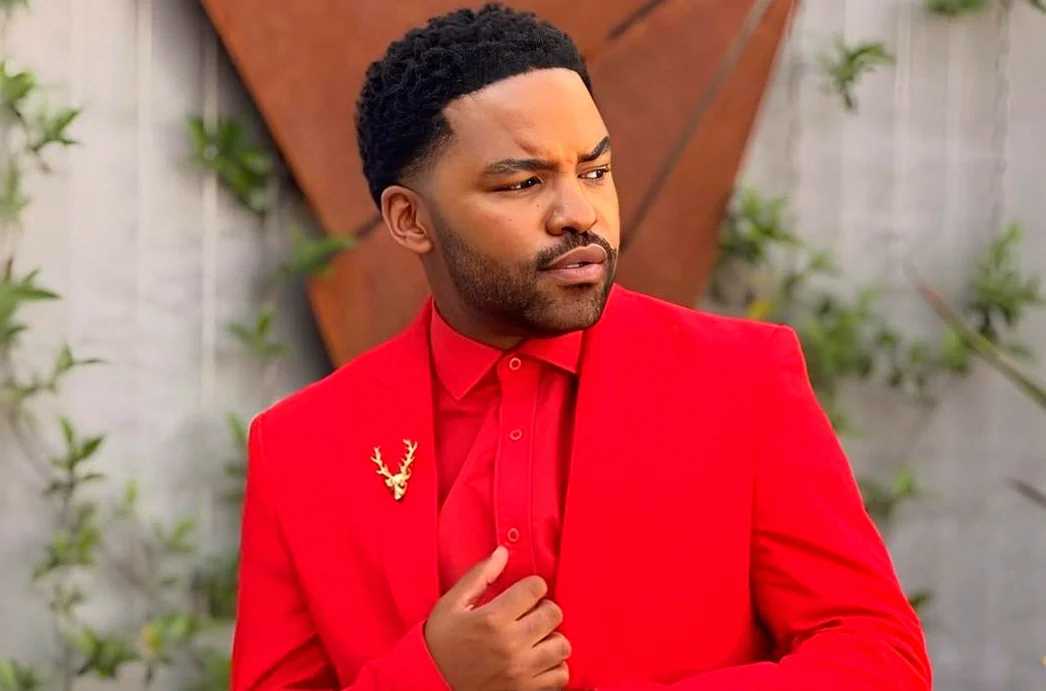
Abongile “Abobo” Salli is one of those South African public figures who became widely known through Big Brother Mzansi—but his rise to fame wasn’t the start of his story. Long before the cameras made him a familiar face, he was already working in television as an actor, while also earning his living as a teacher and building a reputation as a mentor.
A career shaped by acting, teaching, and purpose
Speaking openly about how his path unfolded, Abobo says his professional life was never built on a single track. He first entered the industry meaningfully after landing a major part on the Mzansi Magic series Inkululeko. He adds that his later appearance on Big Brother Mzansi helped him connect with audiences and move more fully into content creation, but that his earlier experience as both an actor and a teacher laid the groundwork.
“I got introduced to the industry when I landed my major role on the Mzansi Magic series Inkululeko. Big Brother Mzansi was about staying relevant and stepping into the content creation space, but before that I was already a teacher and an actor,” he said.
For Abobo, each role taught him something distinct about how to live and lead. He credits teaching with sharpening his patience and leadership while keeping him focused on making a positive difference and serving as a role model. Acting, meanwhile, helped him observe people more closely, tell stories with meaning, and step into viewpoints he might not otherwise understand.
- Teaching taught him patience, leadership, and the value of being a positive role model.
- Acting helped him understand people, communicate meaningful stories, and approach life from different perspectives.
Put together, he says, those experiences shaped him into someone grounded and hardworking—someone who believes in growth, purpose, and motivating others to become the best versions of themselves.
What fame taught him—and why character matters
Since leaving the Big Brother Mzansi house, Abobo says one of his clearest takeaways is that public opinion never stays still. He argues that fame may fade, but character is what people remember, since everyone views a celebrity through their own lens.
“I’ve learned that fame can be temporary, but your character is what people remember. Public perception will always change because everyone sees you through their own lens, and you can’t control that,” he said.
Rather than trying to chase approval, he chooses to protect his reputation and stay aligned with his values. He emphasized that daily choices are the part of the spotlight he can control—staying true to his purpose and not losing himself trying to please everyone. He also admitted he’s learned that some people will do almost anything for attention, and that approach isn’t for him.
- He focuses on staying true to his values and purpose rather than seeking validation.
- He says he cares about his digital footprint.
- He notes that his life has evolved from being a boyfriend to becoming a husband, while also being a father.
Family, a career reset, and the “Boys Left Behind” conversation
Abobo says family has changed the way he makes decisions. While acting opened doors, he describes earlier periods of uncertainty that made him think practically about long-term stability—especially after he had already been building work in television and commercials before he became a teacher.
He explained that inconsistent opportunities pushed him toward a safer foundation, adding that because he grew up relying on himself, he knew he needed a safety net.
In 2019, he left Johannesburg and returned to Cape Town to complete his PGCE, planning to eventually move back. But a teaching opportunity shifted his trajectory. He says teaching gave him stability while still allowing him to pursue his passion for acting.
Now, he makes major decisions with his family in mind. He wants to build a secure future for them, create opportunities for his children, and show them that chasing dreams can go hand in hand with being responsible and intentional about the future.
When the country began debating the “Boys Left Behind” issue, Abobo says it hit close to home. His initial reaction was sadness, and he believes many boys with real potential grow up without positive role models, without active fathers, and without adequate support systems.
- He says many young boys grow up without positive role models and with absent fathers.
- He points to peer pressure as another factor affecting boys’ choices and wellbeing.
He also argues that community mentors often go unrecognized even though they make a major difference. He highlighted soccer coaches in townships, saying they frequently don’t receive the support they deserve—leading some boys to look for guidance in the wrong places instead.
Abobo specifically praised mentors like Mr Kuna from Khayelitsha, crediting him with instilling discipline in young boys and helping nurture football talent that later represented South Africa and went on to play for international clubs.
Safe spaces, mental health, and building the next generation
Abobo believes South Africa still isn’t paying enough attention to what boys and young men face. He shared that many are raised with the idea that they must always be strong and that men don’t cry. In his view, this expectation causes too many to suffer in silence.
He highlighted mental health struggles, a lack of mentorship, and educational difficulties as major concerns that deserve more focus. He believes more safe spaces are needed where boys can be vulnerable, ask for help, and receive support without fear of being judged.
Growing up in a township, he says, gave him direct insight into the pressure young men carry. He described how they’re expected to provide, succeed, and stay strong even when they’re struggling themselves. He also believes unemployment, limited opportunities, mental health challenges, and the absence of positive role models create an emotional burden that often goes unnoticed.
- He says boys need spaces to be vulnerable and ask for help without judgment.
- He emphasizes mental health, mentorship gaps, and educational struggles as urgent issues.
- He argues that many young men carry unseen emotional weight due to lack of opportunity and role models.
For Abobo, vulnerability should never be mistaken for weakness. He insists he’s human first—someone who has feelings, emotions, and the ability to express them. He also believes society has spent too long teaching men to suppress their emotions, and he frames honesty about feelings as something that takes courage. When life gets hard, he says his faith becomes his anchor.
Support systems that help boys find confidence and belonging
As a teacher, Abobo says he’s also noticed growing struggles among young boys around identity, confidence, and belonging. He believes strong support systems are essential, including involved parents, positive male role models, teachers, coaches, and community leaders.
- He says involved parents and positive male role models help guide and stabilize young boys.
- He credits teachers, coaches, and community leaders with providing discipline, encouragement, and examples of healthy manhood.
While he acknowledges that every family structure is different, he argues that positive male influences can still play an important role in giving boys direction.
Looking back on his journey—from township life to television screens, classrooms, and family life—Abobo delivers a message to young men who may feel overlooked or forgotten. He urges them not to undermine themselves and insists they belong.
He also encourages young men not to let their circumstances define them, reminding them not to decide they’re “not good enough” based on their background, challenges, or setbacks. Instead, he tells them to keep believing in themselves, keep working hard, and keep showing up.
For Abobo, the message is simple but powerful: “Your story matters, your voice matters, and there is a place for you in this world.”