The long-running mystery surrounding an iconic agony aunt is set to be solved at last, as a wave of questions from devoted readers finally finds answers on the big screen.
Key takeaways
- Fans and guests gathered at Nu Metro in Hyde Park ahead of the premiere of Dear Sis Dolly, expecting the film to clarify the woman behind the advice.
- Drum magazine’s advice column became a beloved tradition in many Black households, with readers writing in and waiting for their names to be published.
- The movie brought together a large lineup of South African talent, including actors, musicians, and media personalities.
- Liz Khumalo, the first Black female editor-in-chief of Drum and the original Sis Dolly, attended and expressed gratitude for the film’s portrayal of her life journey.
- Following the premiere, a panel discussion began as attendees praised the film’s storytelling and themes.
Why the advice column mattered
In many African homes, the household ritual wasn’t just reading— it was listening. For years, families returned to the famous guidance column, and Drum magazine built a loyal readership across Black communities that were eager to be heard.
Readers would send letters to the editorial team and keep purchasing new issues until their names appeared in the column. With the promise of honoring that legacy, Dear Sis Dolly drew a crowd spanning different age groups.
Stars, creators, and the woman at the heart of the story
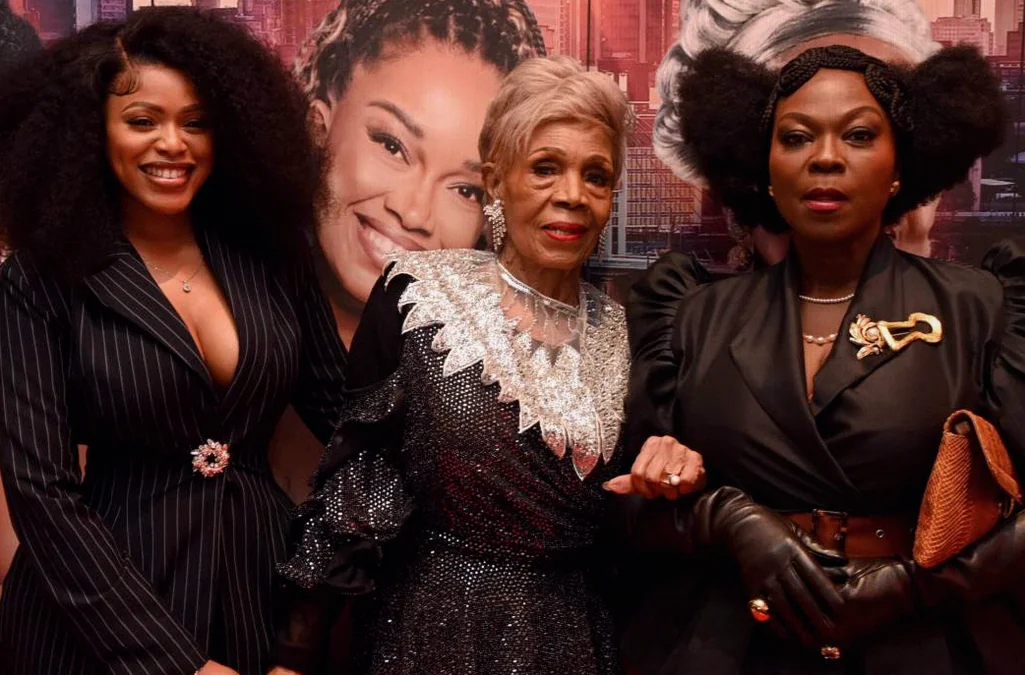
Minutes before the premiere, anticipation swelled in the Nu Metro cinema foyer in Hyde Park. The event welcomed a range of guests from across entertainment, including Didintle Khunou, S’thandiwe Kgoroge, Natasha Thahane, Slindokuhle Tshabalala, Alex Sono, and the legendary actor Jerry Mofokeng wa Makhetha.
Also present were acclaimed actress Abigail Kubeka, celebrated musician and composer Tresor, media personality Criselda Kananda, and a roster of well-known performers including Kenneth Nkosi, Tsholo Mashishi, Nonhle Thema, Zikhona Sodlaka, and Kgomotso Christopher.
All came together to celebrate South African storytelling and recognize the lasting impact of Sis Dolly, Liz Khumalo—the first Black female editor-in-chief of Drum and the original Sis Dolly—who was on hand during the gathering. She shared her heartfelt appreciation for the film and praised how it captures her journey.
Seeing the character felt personal
For many attendees, watching the premiere wasn’t just entertainment—it was a call back to something familiar from childhood.
Speaking about the column’s influence, Jerry Mofokeng wa Makhetha said, “I used to have a dialogue with the advice that Sis Dolly would give out.” He added that simply writing in could open doors in mainstream media, even if it required a level of openness. “It might sound mundane these days, but it meant something to people back then to finally be heard. You’d make sure that everyone in the family knows that your name is on Drum.”
Nonhle Thema, meanwhile, described a curiosity that had stayed with her for years. “I really want to get to know who exactly Sis Dolly is, like her character, her personality, because already from her column, I assumed her to be a very wise woman, but I’d like to see what other parts of her existed that we didn’t have access to. She seemed to have all the answers for everyone so how did she get all that wisdom, what was her source?”
Memories from the foyer and excitement for the film
In different corners of the venue, guests swapped stories about their fondest memories of Sis Dolly and what they found most exciting about the movie.
Kenneth Nkosi shared that his passion for acting began when he was 13, and he emphasized how reading stories helped shape him. “Sis Dolly was my go-to. I loved reading people’s news in the 80s; it kept us grounded because there wasn’t much entertainment back then. I’m so happy that our heritage is captured in a film like this so that our children who are going through mental health illnesses get to watch how we soldiered on. It’s a must-watch,” he said.
Panel discussion follows the premiere
After the screening, the event shifted into a panel discussion, with guests continuing to praise the film’s lively and engaging plotlines.
Reflecting on a career that has spanned more than six decades, legendary actress and singer Abigail Kubheka noted that even after so much time in the industry, learning never stops. “After more than 60 years in this industry, I am still learning. Every project teaches me something new. At the same time, I believe it is important for those of us who have travelled this journey to share our knowledge and experiences with the younger generation.”
Additional coverage also highlighted how the film brings Drum’s iconic agony aunt to the big screen, exploring the idea of life echoing through art.