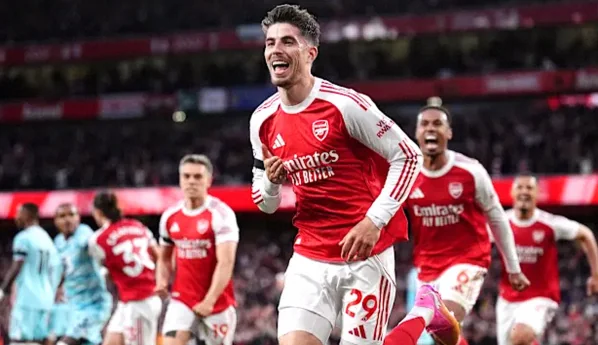
Arsenal’s Premier League triumph has finally erased the long-running sense of unfinished business that followed the club for more than two decades. For years, supporters looked back to the famous “Invincibles” team of 2003–04—an unbeaten benchmark that brought immense pride but also a lingering reminder of how long it had been since the Gunners last lifted the English top-flight trophy.
After stretches of near misses, coaching changes, rebuilding efforts, and recurring criticism from rival clubs, the narrative has now been rewritten under Mikel Arteta. Arsenal have claimed the league title again for the first time in 22 years, and the achievement is being framed as far more than a single piece of silverware—an indication that the club’s identity, confidence, and day-to-day consistency have been reshaped at the highest level.
The milestone completes a journey that has been defined by patience and method rather than shortcuts, with Arsenal showing the tactical maturity and emotional steadiness required to win a championship in a season where pressure rarely eased.
How Arsenal’s title story unfolded
-
Arsenal waited 22 years to win the Premier League again. The previous league title arrived in the memorable 2003–04 campaign under Arsène Wenger, when the club’s unbeaten “Invincibles” side made history. Until now, no new generation of fans had experienced a league triumph in person.
-
The “Invincibles” legacy became both inspiration and a source of weight. That 2003–04 standard proved difficult to replicate, and comparisons to the legendary group kept stacking pressure on players and managers for years.
-
Mikel Arteta rebuilt the team from the ground up after returning in 2019. At the time, Arsenal were in a difficult position, and he set about reshaping the club’s culture, recruitment approach, mindset, and overall style of play.
-
“Trust the process” ultimately delivered results. What once sounded like a slogan to some supporters has turned into a championship blueprint, with Arteta’s long-term plan bearing fruit.
-
Arsenal became tactically sharper under Arteta. Improvements in pressing, positional organisation, defensive structure, and control of the ball have helped make them among the most complete sides in Europe.
-
Greater emotional maturity proved decisive. In earlier title bids, Arsenal have sometimes struggled to handle pressure. This season, they managed tight moments with composure and discipline, displaying the temperament of a team that can win under stress.
-
Bukayo Saka emerged as the defining figure of modern Arsenal. The forward’s development from academy talent into a world-class leader has seen him consistently deliver when matches demanded something extra.
-
Hale End Academy continued to justify its role as a talent pipeline. The progress of players such as Bukayo Saka and Myles Lewis-Skelly highlights Arsenal’s ongoing commitment to developing young players through the ranks.
-
Viktor Gyökeres brought a new attacking dimension. His mix of physical presence, finishing threat, and forward-driving aggression has added strength to Arsenal’s frontline.
-
Eberechi Eze added creativity and flair. His elegance and unpredictability in the final third helped Arsenal break down opponents that were difficult to penetrate.
-
Leandro Trossard provided match-winning impact. He repeatedly made decisive contributions in key moments, even when he was not always the centre of attention.
-
Martin Ødegaard set the tone as captain. His intelligence, calmness, and creativity have made him the driving force of Arteta’s system throughout the campaign.
-
Arsenal responded to heavy criticism during the season. When the title race became challenging, rival supporters accused the club of “bottling” yet again. Arsenal countered that narrative by winning crucial matches and maintaining clean sheets when the pressure was at its highest.
-
Manchester City pushed Arsenal to the limit. City remained Arsenal’s toughest challenger throughout the title chase, extending the intense rivalry that has defined many recent Premier League seasons.
-
Pep Guardiola acknowledged Arsenal’s growth. The Manchester City manager publicly praised Arsenal’s discipline, consistency, and progression—an admission of Arteta’s achievement after years of elite competition.
-
Ian Wright captured the emotion of the supporters. Wright celebrated with fans outside the Emirates Stadium, calling the title a dream coming true for Arsenal followers around the world.
-
Arsenal supporters never stopped believing. Even through long stretches without a trophy, the club maintained one of football’s most passionate fanbases, filling the Emirates Stadium and backing the team through difficult phases.
-
The Emirates Stadium era now has a league title. Since leaving Highbury in 2006, Arsenal had not won the Premier League until this point, giving the modern stadium period its defining achievement.
-
Arteta joined an exclusive Arsenal group. He became one of a small number of people to win the English league both as a player and later as a manager.
-
Arsenal’s season may not be finished yet. After securing the Premier League, the club still has the opportunity to complete an extraordinary campaign by winning the UEFA Champions League final against Paris Saint-Germain.
With the league crown secured, Arsenal now face the next test of their rebuilt identity—aiming to turn domestic redemption into continental glory.