Nigeria’s microfinance sector is facing fresh scrutiny after the central bank revoked the licences of 46 institutions, a move that has drawn warnings from consumer advocates that the fallout could spread well beyond individual depositors and into the wider economy.
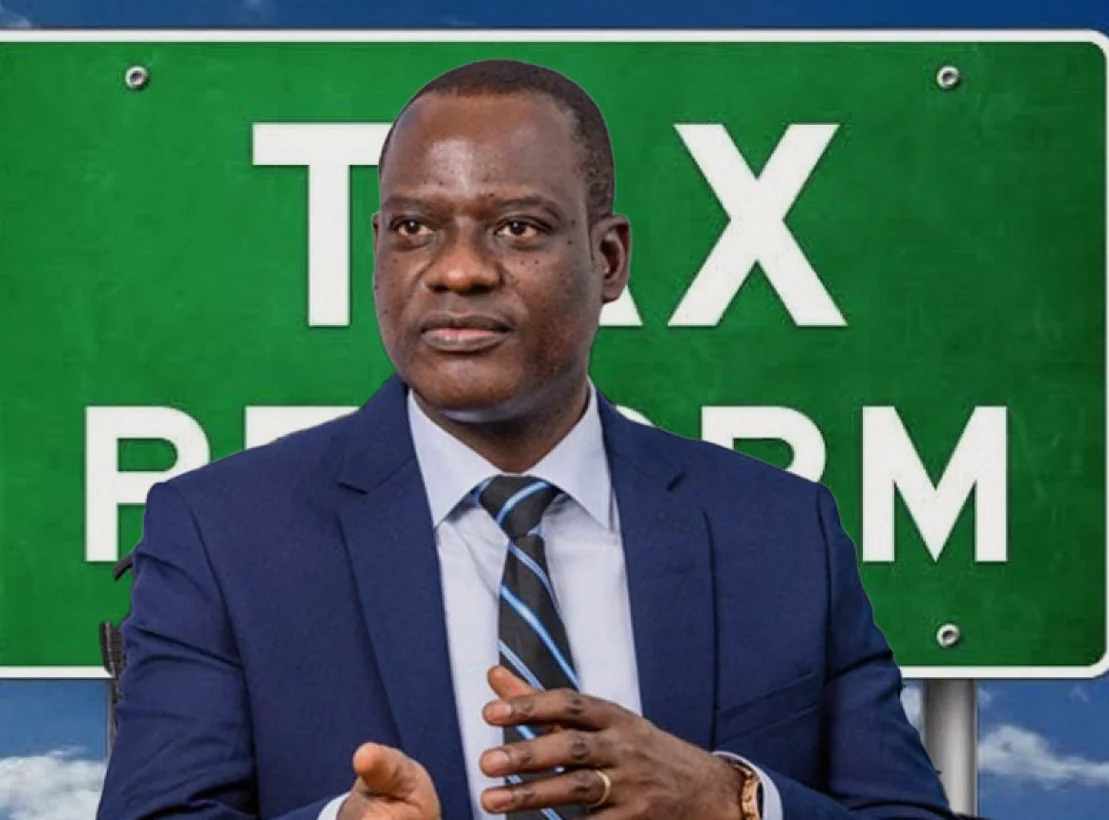
Dr Uju Ogunbunka, president of the Bank Customers’ Association of Nigeria, said the decision represents a serious setback for savers, small businesses and the country’s push toward broader financial inclusion. Speaking on Thursday, she described the licence cancellations as a major shock for bank customers, arguing that the impact will be felt through multiple channels, including cash availability, access to credit and employment.
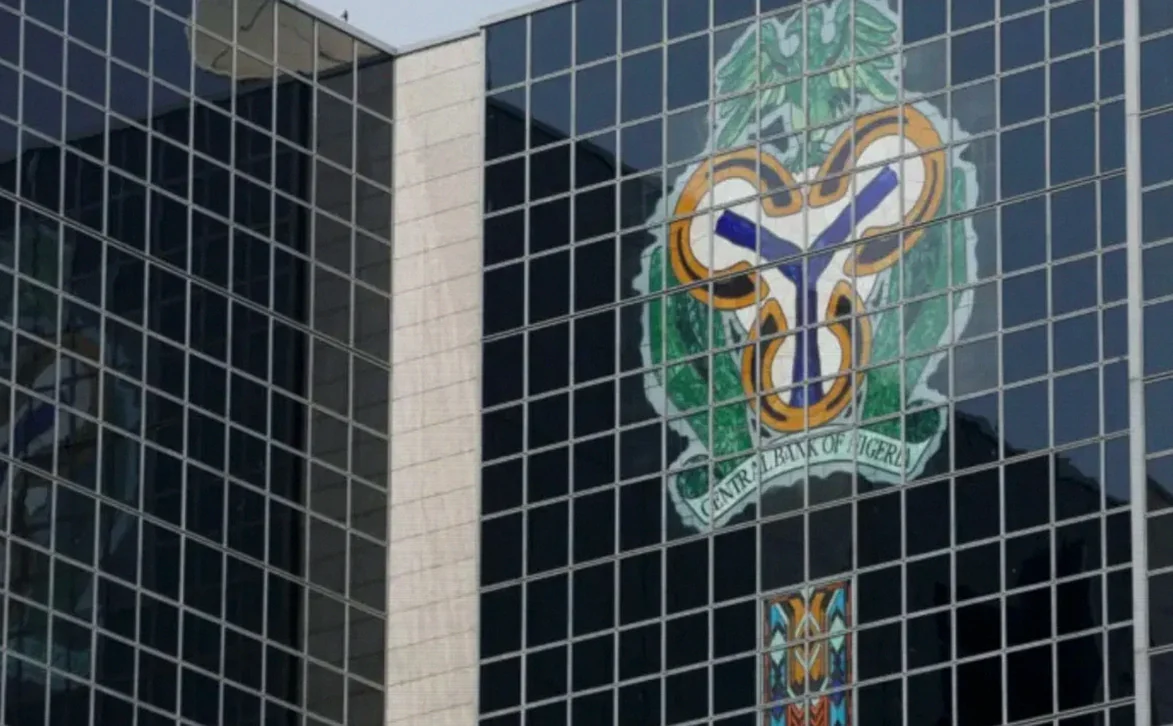
The central bank revoked the operating licences on July 1, listing 46 microfinance banks—among them Credit Ville Microfinance Bank and Sycamore Microfinance Bank—after concluding that they did not meet regulatory requirements. After the revocations, the Nigeria Deposit Insurance Corporation stepped in to take over the affected institutions under its statutory responsibilities.
Ogunbunka said customers with funds in the closed banks should expect delays, with their money effectively tied up until the NDIC begins the reimbursement process. She stressed that only insured deposits are covered, and that reimbursement would not necessarily cover all balances held with failed institutions. “All we can do now is to see how much we can recover, because there is no way you can recover everything,” she said, adding that even when payments begin, customers will receive only the insured amounts.
She further explained the consequences for customers whose deposits exceed the insured limit. In such cases, any remaining funds would be paid after other insured deposit holders have been settled and if money is still available from recoveries. “That’s one point that we should take away from the problem,” Ogunbunka said.
Beyond reimbursement timing, Ogunbunka warned that the closure will disrupt routine banking for customers who used these microfinance banks for everyday transactions. She argued that this could undermine progress made in expanding access to formal financial services. If customers do not find alternatives quickly—or if they decide to stay away because of fear or uncertainty after the collapses—some of those already connected to the financial system may fall out of it, while people who were previously excluded may hesitate to join.
She also pointed to knock-on effects for businesses that relied on microfinance banks for credit facilities. With those funding channels removed, she said the economy loses opportunities to be financed through these local institutions. “Because some of these customers also had maybe credit lines they were operating. They were servicing them to do their businesses,” Ogunbunka noted, adding that the disruption could make it difficult for borrowers to secure replacement financing—particularly if they are already behind on repayments.
Ogunbunka warned that job losses are another likely consequence of the closures, with potential implications for Nigeria’s security environment. She said employees of the affected institutions would lose their jobs and could become unemployed, a condition she linked to higher risk of insecurity. “If so many people don’t have jobs, they don’t have a way to get their normal feeding and upkeep. What do they do? They have to look elsewhere,” she said, adding that some may turn to criminal activities.
She urged the NDIC to move quickly to complete liquidation and reimbursement so customers can understand their positions and reduce the hardship caused by the disruptions. Ogunbunka advised affected customers to monitor the reimbursement process closely and, where possible, to open new accounts with nearby banks to resume transactions as soon as they can.
For customers in urban areas, she said the availability of alternatives may be easier, while those in rural or hinterland communities may face greater challenges due to distance and limited banking access. She said this could leave some customers without a bank for an extended period, which she described as “not the best,” particularly for people who depend on regular financial services.