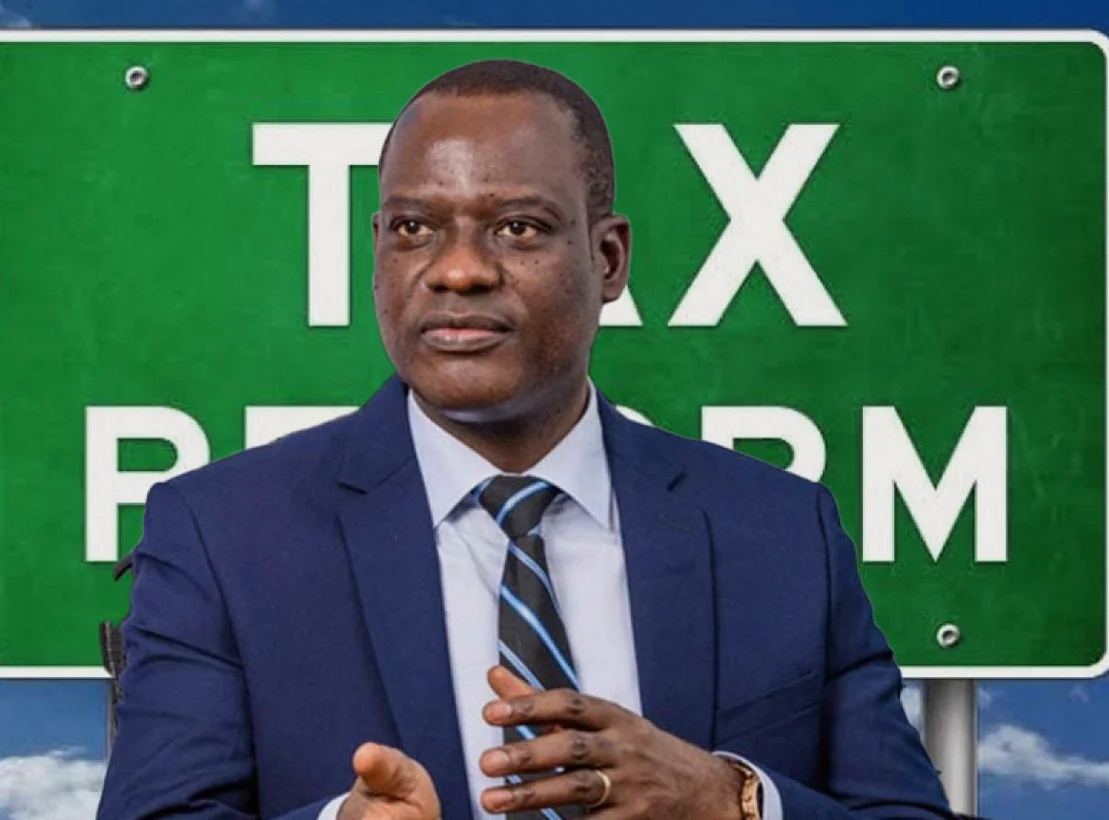
Nigeria’s finance minister, Taiwo Oyedele, has defended the government’s handling of a $5 billion borrowing plan from First Abu Dhabi Bank, explaining why he did not incorporate advice from the International Monetary Fund on the deal. Speaking after Monday’s Federal Executive Council meeting, Oyedele said Nigeria has already accessed $1.5 billion under the facility, describing the structure as a series of staged drawdowns rather than a single upfront payout.
He argued that the government’s approach is consistent with how the transaction was approved, noting that the loan received clearance from Nigeria’s National Assembly and therefore was not a surprise or an opaque arrangement. “The approval for that loan went to the National Assembly, so everybody is aware of it,” Oyedele said. He added that the borrowing is intended to refinance higher-cost liabilities, support infrastructure financing, and fund government budgets, and that the drawdown process is designed to avoid repeated public announcements each time funds are released.
Oyedele also said the staged funding is meant to reduce the effective cost of borrowing. In his explanation, if Nigeria were to take the full $5 billion at once, interest would begin accruing even though the government would not immediately deploy all of the money. Instead, he said the loan is “meant to be a drawdown in tranches,” allowing Nigeria to draw only what it needs at a given time, which in turn improves borrowing efficiency.
The minister’s comments come after the IMF cautioned the Nigerian government against proceeding with the $5 billion loan. Financial observers had also raised additional concerns about the proposal, particularly in light of the country’s broader debt situation. Oyedele, however, rejected the criticism, saying that those attacking Nigeria’s debt position—reported at N159.28 trillion as of December 2025—are ultimately doing the country a disservice.