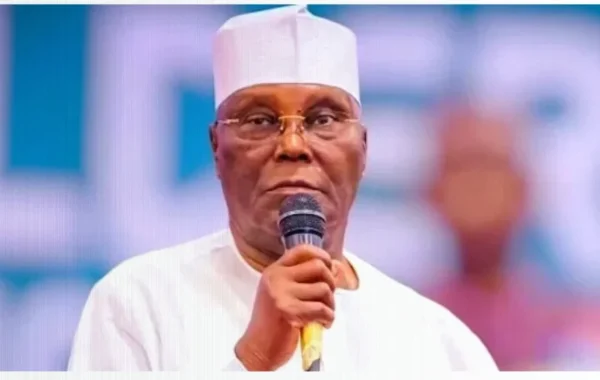
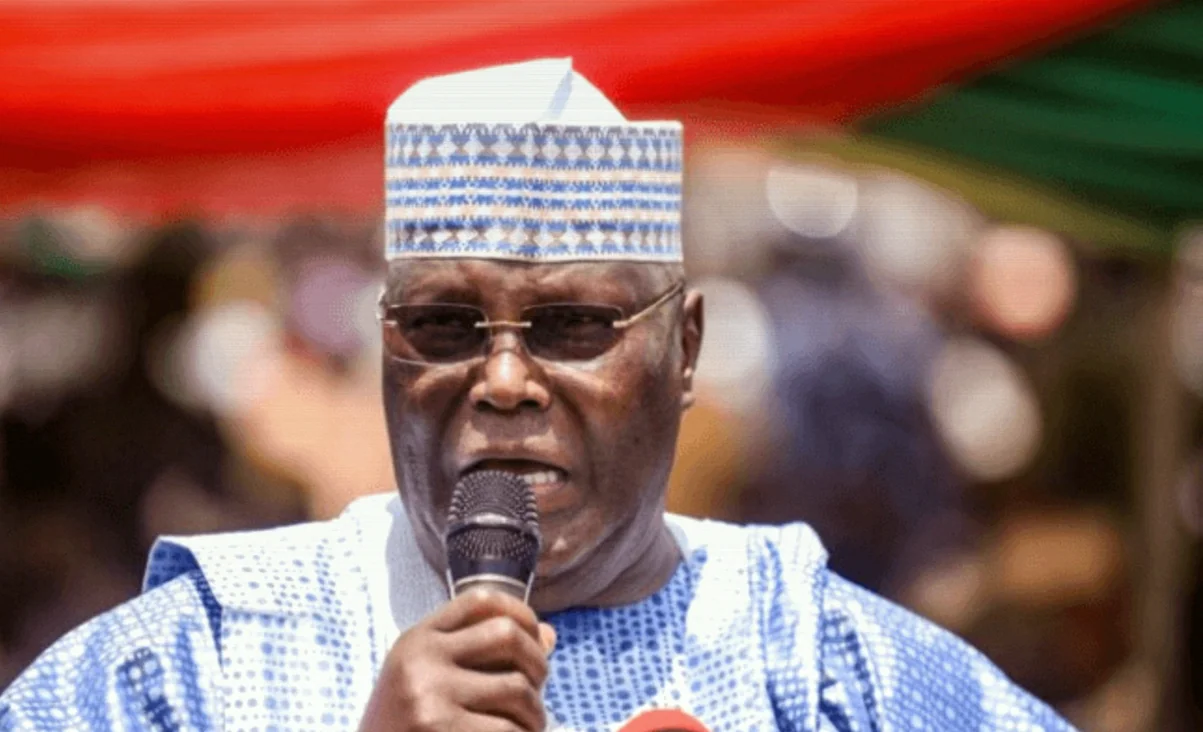
Former Vice President Atiku Abubakar has criticized the government of President Bola Ahmed Tinubu over its response to concerns about Nigeria’s rising public debt, arguing that officials are treating borrowing as a success while ordinary people face worsening hardship.
Atiku’s critique of the government’s debt narrative
In a statement issued by his spokesperson, Phrank Shaibu, Atiku said the Tinubu administration appears to “glorify” what he described as reckless borrowing, even as many Nigerians report deeper hunger and despair. The criticism comes amid renewed public debate about Nigeria’s debt trajectory, which the Debt Management Office has put at roughly N154 trillion.
- Atiku said the administration is “celebrating” debt numbers despite mounting economic pain for households.
- He cited the country’s debt stock at about N154 trillion, as reported by the Debt Management Office.
- He linked the public-finance concerns to broader living-cost pressures, including hunger and economic strain.
Debt concerns sharpen as World Bank cancels power-sector debt
The controversy is unfolding as the World Bank recently cancelled $717 million in power-sector debt owed by Nigeria. In response to rising debt concerns, presidential spokesperson Bayo Onanuga said Nigeria has not over-borrowed in the way South Africa, Senegal and other African countries have, framing the issue as more contained than in peer nations.
Atiku said the presidency’s position again highlights what he called a dangerous lack of connection to the realities faced by ordinary Nigerians.
What Atiku says Nigerians are experiencing
Atiku’s remarks argued that the government’s focus on debt figures ignores multiple pressures hitting daily life, from food insecurity to business stress and escalating violence.
- He said millions of Nigerians struggle to afford even a single meal a day.
- He claimed parents are pulling children out of school due to severe economic hardship.
- He pointed to collapsing businesses, attributing strain to high electricity tariffs and inflation.
- He said communities are being overrun by terrorists, bandits and kidnappers.
- He argued farmers cannot safely reach their farmlands because armed groups control large areas.
- He said food output has fallen sharply as rural areas face frequent attacks, abductions and killings.
In Atiku’s view, these conditions are driving the outcomes Nigerians are already seeing: sharply higher food prices, widespread hunger and malnutrition, alongside growing anger among citizens who he said feel abandoned by their government.
Insecurity, ransom payments and “propaganda” accusations
Atiku also argued that it is especially troubling that government officials continue to discuss debt casually while insecurity has reached a level where many citizens now treat ransom payments as a routine budget item, similar to school fees or rent.
He said insecurity has transformed travel and community life, describing road travel as a “gamble with death” and families spending nights praying that they will not receive midnight calls about the abduction of relatives. He further claimed that villages are sacked routinely, while those in power appear more focused on image management than on decisive action.
- Atiku said some Nigerians now plan for ransom costs in household budgets.
- He described road travel as dangerous and families as living in fear of abduction calls.
- He said villages are repeatedly attacked while officials prioritize optics over security action.
He questioned what Nigerians are gaining from loans if insecurity keeps spreading and the broader economy continues to “suffocate.”
Claim that the government is distracting with messaging
Atiku accused the Tinubu administration of using propaganda to divert public attention from the effects of what he called economic mismanagement.
- He argued the government is using messaging to shift attention away from policy failures.
- He said Nigeria is not seeing a payoff between rising debt and improvements in everyday living.
In the statement, Atiku argued that borrowing alone cannot produce prosperity if it funds consumption, sustains wasteful government lifestyles, and masks policy shortcomings. He said borrowing responsibly should be aimed at boosting productivity, creating jobs, building essential infrastructure and improving citizens’ welfare. He concluded that Nigerians currently see no link between the growing debt profile and tangible improvements to their daily lives.