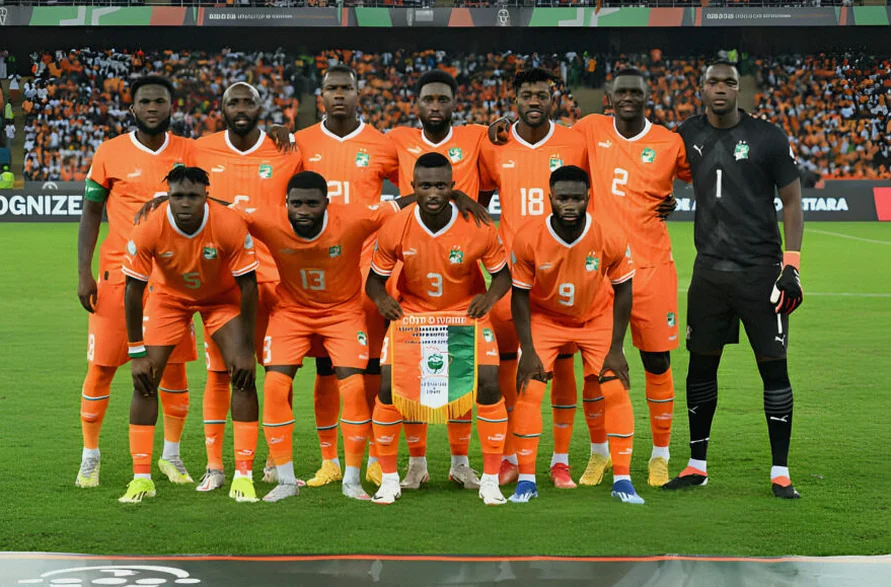
Côte d’Ivoire are preparing for a World Cup campaign built around forward-thinking attacking options, and they are determined to make a notable impact at the tournament for the first time since 2014.
Head coach Emerse Fae believes his group possesses the quality to go well in Canada, Mexico and the United States.
“My aim is to push as far as possible in this competition with my team. We’re not travelling to the U.S. to treat it as a holiday,” Fae said.
“I’m convinced Ivory Coast can produce something extraordinary. Why shouldn’t we set our sights on the final?”
It may be a bold target, but few teams will relish the prospect of facing the Ivorians—particularly with Curacao, Ecuador and former world champions Germany awaiting them in the group stage.
Since their last World Cup finals appearance in Brazil, Côte d’Ivoire have lifted two Africa Cup of Nations trophies. That trip to Brazil also signalled the end of a standout era, featuring players such as Didier Drogba, Gervinho and the Kolo and Yaya Toure brothers.
The squad’s current identity is different, but the talent is still there—most notably teenage forward Yan Diomande, along with Simon Adingra and Amad Diallo, who is at Manchester United.
Fae has also secured the switch of allegiance of two former France Under-21 representatives: Ange-Yoan Bonny, formerly with Italian title winners Inter Milan, and Elye Wahi, of Nice. The challenge in the attacking ranks is further heightened by the return of former Arsenal striker Nicolas Pepe.
In midfield and defence, the balance is being strengthened as well. Ousmane Diomande—who has been linked with a move to the Premier League—is viewed as a key presence, while captain Frank Kessie, who has played for AC Milan and Barcelona, is expected to provide control. Nottingham Forest midfielder Ibrahim Sangare adds extra structure.
Côte d’Ivoire also showed strong resilience two years ago when they won the African title on home soil. They had nearly gone out in the first round and were forced to change coaches during the tournament.
Fae took charge at that point, moving up from assistant coach to his first senior role. Roughly 30 months later, he stands not only as a continental champion but as the man leading the team to the World Cup—after already playing at the tournament in 2006.