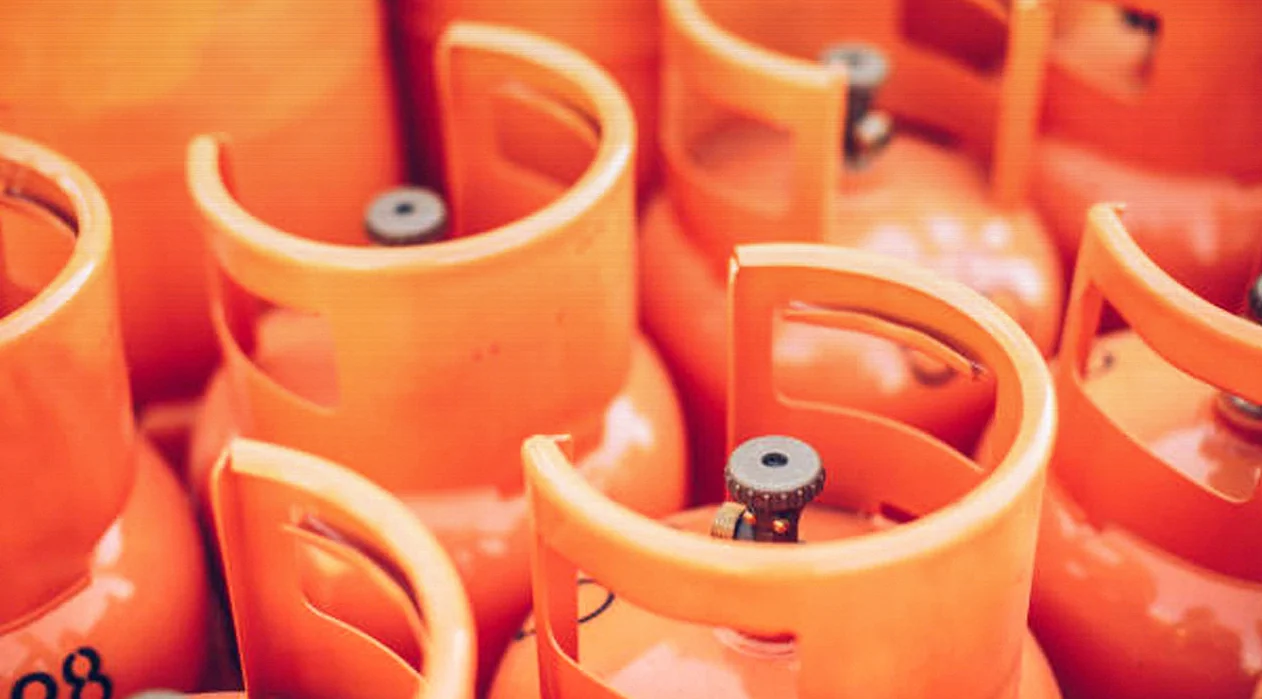
Nigeria’s Liquefied Petroleum Gas (LPG) market—commonly referred to as cooking gas—has not seen the price drop many consumers hoped for, even as supply conditions have improved across the country, the Nigerian Association of Liquefied Petroleum Gas Marketers has said. Edu Inyang, president of NALPGAM, said on Thursday that the current pricing environment remains “stubbornly high,” despite government steps that began in June 2026 and helped ease shortages.
Inyang pointed to the gap between better availability and cheaper retail prices. While LPG is reaching more outlets than before, he said households are still paying levels that do not reflect the relief typically associated with improved supply. He noted that the product’s immediate benefit from the federal government’s intervention in June 2026 has been broader distribution rather than a meaningful reduction in pump-side costs.
DAILY POST reported that in Abuja and surrounding areas, cooking gas was trading at roughly between N1,450 and N1,700 per kilogram, compared with about N1,200 per kilogram in May 2026. Inyang argued that this pattern highlights why consumers have not yet felt a sustained decline: international LPG prices have stayed elevated, and currency pressure continues to raise the cost of importing the fuel, which then feeds into downstream pricing.
He said that even though LPG prices have slowed their rate of increase compared with earlier periods, they have not fallen enough to deliver “meaningful relief.” In his view, the persistence of high retail prices is driven by a combination of factors, including ongoing strength in global LPG costs, rising foreign-exchange expenses that make imports more expensive, and high transportation and inland distribution charges. He also cited domestic production constraints, saying local output is still not sufficient to meet national demand at scale, while competition in the market has not yet been strong enough to push retail prices lower.
“The immediate impact has been greater product availability rather than lower prices,” Inyang said, adding that LPG retail pricing remains pressured by elevated international benchmarks, continued increases in import costs tied to foreign exchange, and persistent logistics and distribution expenses. He concluded that until these cost drivers ease—and domestic supply better covers demand—consumers are likely to see prices remain high even if shortages become less frequent.