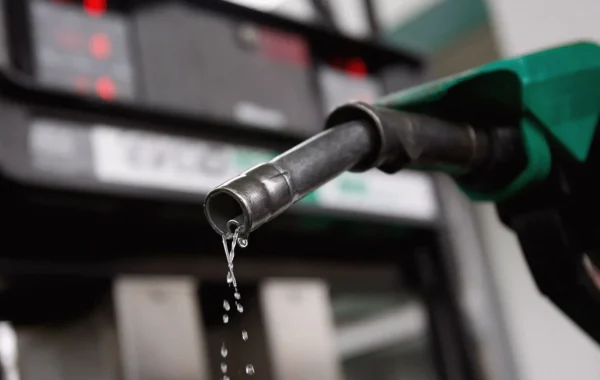
Several petrol stations in Nigeria have temporarily closed amid market talk that the price of premium motor spirit could rise, prompting retailers and industry groups to urge calm while monitoring the situation. Early checks on Thursday morning found Total, Emedab and other outlets shut in parts of the country, as traders weighed the impact of renewed oil-price swings linked to developments in the Middle East.
Key takeaways
- Some Nigerian filling stations shut down following speculation about a potential jump in premium motor spirit prices.
- Checks on Thursday morning reported closures involving Total, Emedab and other stations.
- Billy Gillis-Harry, national president of the Petroleum Products Retail Outlets Owners Association of Nigeria, said legitimate retailers should not close over price rumours and that the association will monitor events.
- Oil prices spiked after the United States and Iran conflict escalated, with Brent and West Texas Intermediate rising by more than 4% to around $77 and $73 per barrel.
- Nigerian depot owners raised automotive gas oil and diesel prices by 3% to N1,450 per liter, while many stations in Abuja kept petrol prices unchanged on Thursday.
Closures linked to fuel-price rumours
In the wake of the speculation, a reporter’s checks on Thursday morning indicated that multiple filling stations were not operating. Total, Emedab and several other outlets were among those found closed during the verification exercise.
When the situation was put to Billy Gillis-Harry, national president of the Petroleum Products Retail Outlets Owners Association of Nigeria, he argued that bona fide petrol retailers would not shut their businesses solely because of expected changes in pricing. He said prices can move in both directions and therefore should not be treated as a basis for closing. “It is not possible for a genuine petrol retailer to shut a station over price speculation, because price can change to their disfavor. However, we are going to monitor the situation,” he said, adding that the association plans to keep watching developments closely.
Oil shock feeds Nigeria’s fuel market
The Nigerian closures come as crude oil prices rebound, driven by renewed fighting in the Middle East. On Wednesday, the US President, Donald Trump, said the ceasefire between the United States and Iran had ended, and the announcement coincided with a resumption of airstrikes.
Oil markets reacted immediately. Brent and West Texas Intermediate both jumped by more than 4%—rising to about $77 and $73 per barrel respectively—after being at roughly $72 and $68 per barrel the day before. The renewed volatility then spilled into Nigeria’s domestic distribution chain.
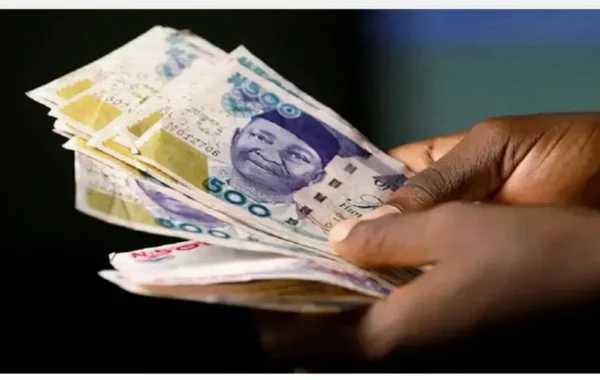
To reflect the higher cost environment, depot operators in Nigeria moved quickly to adjust diesel and automotive gas oil pricing. The update increased automotive gas oil and diesel prices by 3% to N1,450 per liter. At the same time, fuel prices were reported as steady on Thursday in most filling stations within Abuja and surrounding areas, with premium motor spirit quoted at N1,155 per liter and N1,299 per liter.
Over the last three to four weeks, retail pump pricing had fallen by at least N125 per liter, reflecting earlier relief in the market. In addition, on Wednesday Dangote Refinery announced free delivery of its petrol product at a rate of N1,075 per dollar across five states and the Federal Capital Territory, Abuja.