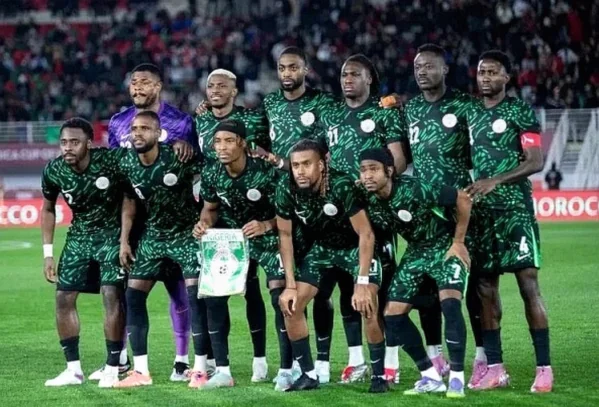
Nigeria will be tested by familiar rivals and co-hosts as they battle for a place at AFCON 2027, which will be staged jointly by Kenya, Tanzania and Uganda. The qualifying draw took place on Tuesday at the Egyptian Football Association headquarters in Cairo, assigning 48 teams to 12 groups of four. The top two teams in each group will progress to the finals, set for June 19 to July 17, 2027.
Nigeria’s Group L challenge: hosts, old opponents and fine margins
The Super Eagles have faced Madagascar before in this competition and will be looking to repeat past control. During the 2012 AFCON qualifying cycle, Nigeria won both home and away against the island nation, a record that sets the expectation for another dominant showing when they meet again.
Guinea Bissau, however, provide a more turbulent storyline. The two sides were drawn together for the journey to the 2023 AFCON finals in Côte d’Ivoire, and the tie finished level on outcomes: Guinea Bissau produced a landmark triumph in Abuja, while Nigeria responded by taking maximum points in Bissau after securing victory in the return match. With that history in mind, both match-ups are set up to be intense.
Tanzania add another layer as co-hosts of the finals, and Nigeria will know every result matters. In the 2017 AFCON qualifying campaign, Nigeria and the Taifa Stars were grouped together, with the sides playing out a goalless draw in Dar es Salaam before the Super Eagles edged a 1-0 win in Uyo. That decisive goal came from a powerful long-range strike by Kelechi Iheanacho.
The key rule in Group L
Nigeria also have to focus on a crucial “small print” in Group L. Because Tanzania are co-hosts and already assured a spot at the finals, qualification from the group works differently: only the highest-placed non-host team in the group will earn automatic qualification. That means Nigeria cannot afford dropped points, with the standings likely to hinge on fine margins.
Qualifying schedule and groups across the draw
The qualification campaign is split into three windows, with each team playing two matches per window—six fixtures altogether. The first block runs from September 21 to October 6, 2025, followed by a second set from November 9 to 17, 2025. The final window runs from March 22 to March 30, 2026.
Groups confirmed after the draw
- Group A: Morocco, Gabon, Niger, Lesotho.
- Group B: Egypt, Angola, Malawi, South Sudan.
- Group C: Côte d’Ivoire, Ghana, Gambia, Somalia.
- Group D: South Africa, Guinea, Kenya (host), Eritrea.
- Group E: DR Congo, Equatorial Guinea, Sierra Leone, Zimbabwe.
- Group F: Burkina Faso, Benin, Mauritania, Central African Republic.
- Group G: Cameroon, Comoros, Namibia, Congo.
- Group H: Tunisia, Uganda (host), Libya, Botswana.
- Group I: Algeria, Zambia, Togo, Burundi.
- Group J: Senegal, Mozambique, Sudan, Ethiopia.
- Group K: Mali, Cape Verde, Rwanda, Liberia.
- Group L: Nigeria, Tanzania (host), Madagascar, Guinea Bissau.
Other notable group match-ups: Egypt, Cameroon and Morocco
Elsewhere in the draw, seven-time champions Egypt will take on Angola, Malawi and South Sudan in Group B. Cameroon—winners on five occasions—have been placed in Group G alongside Comoros, Namibia and Congo, creating a demanding run of fixtures for the former champions.
Morocco, coming off hosting the first AFCON that stretched across two calendar years—covering 2025 and 2026—begin their qualifying campaign with games against Gabon, Niger and Lesotho in Group A.