
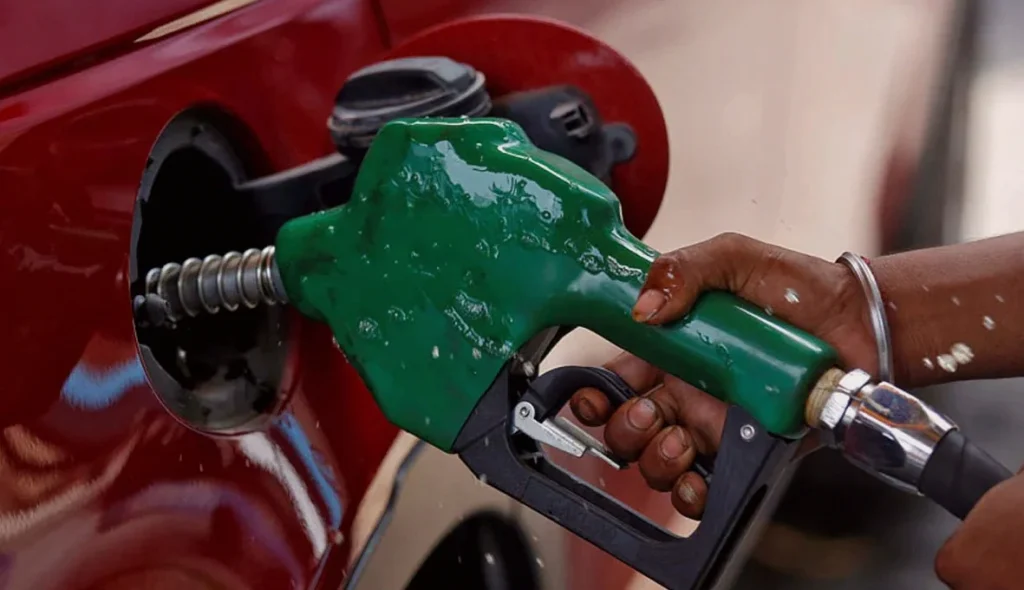
Nigeria’s federal authorities sealed two fuel retail outlets in Ogun State on Monday, citing repeated fuel-shortchanging and other breaches of petroleum rules, as Nigerians continue to face pump prices that have pushed above 1,000 naira per liter across the country.
Regulator action in Ogun State
- The Nigerian Midstream and Downstream Petroleum Regulatory Authority, Abeokuta Field Office, carried out an enforcement visit in Ogun State on Monday.
- The regulator shut down and sealed two filling stations—Mobil and Managarborn Energy—over allegations of under-dispensing fuel and engaging in “sharp practices” that violate the Petroleum Industry Act of 2021.
- The enforcement team was led by Olufemi Adebowale, Head of Distribution Systems, Storage, and Retailing Infrastructure.
- Adebowale said the closures reflect the federal government’s focus on protecting consumers from exploitation and ensuring strict adherence to petroleum regulations.
- He stated that the sealing became necessary after repeated non-compliance by the affected operators.
- Adebowale said the regulator’s records show persistent violations, adding that the authority has concluded that the companies cannot continue under-dispensing products, removing regulatory seals, and assuming consequences will not follow.
- He argued that under-dispensing amounts to cheating the public by selling less than the correct quantity of fuel, and he stressed that once a station is sealed it is not authorized to operate.
- Adebowale said the sealed stations allegedly removed the regulator’s seal and kept running, which he described as illegal.
- He added that the authority has been monitoring the filling stations’ activities since 2025.
Fuel prices remain under pressure
The enforcement comes as Nigerians are buying fuel at more than 1,000 naira per liter in many parts of the country. In Abuja and the surrounding area, petrol was reportedly priced between 1,155 and 1,205 naira per liter.
Despite the higher retail prices, the federal government has maintained that petrol pricing should reflect costs—an approach aimed at aligning pump prices with underlying supply and distribution economics while regulators crack down on practices that reduce fuel volumes sold to consumers.