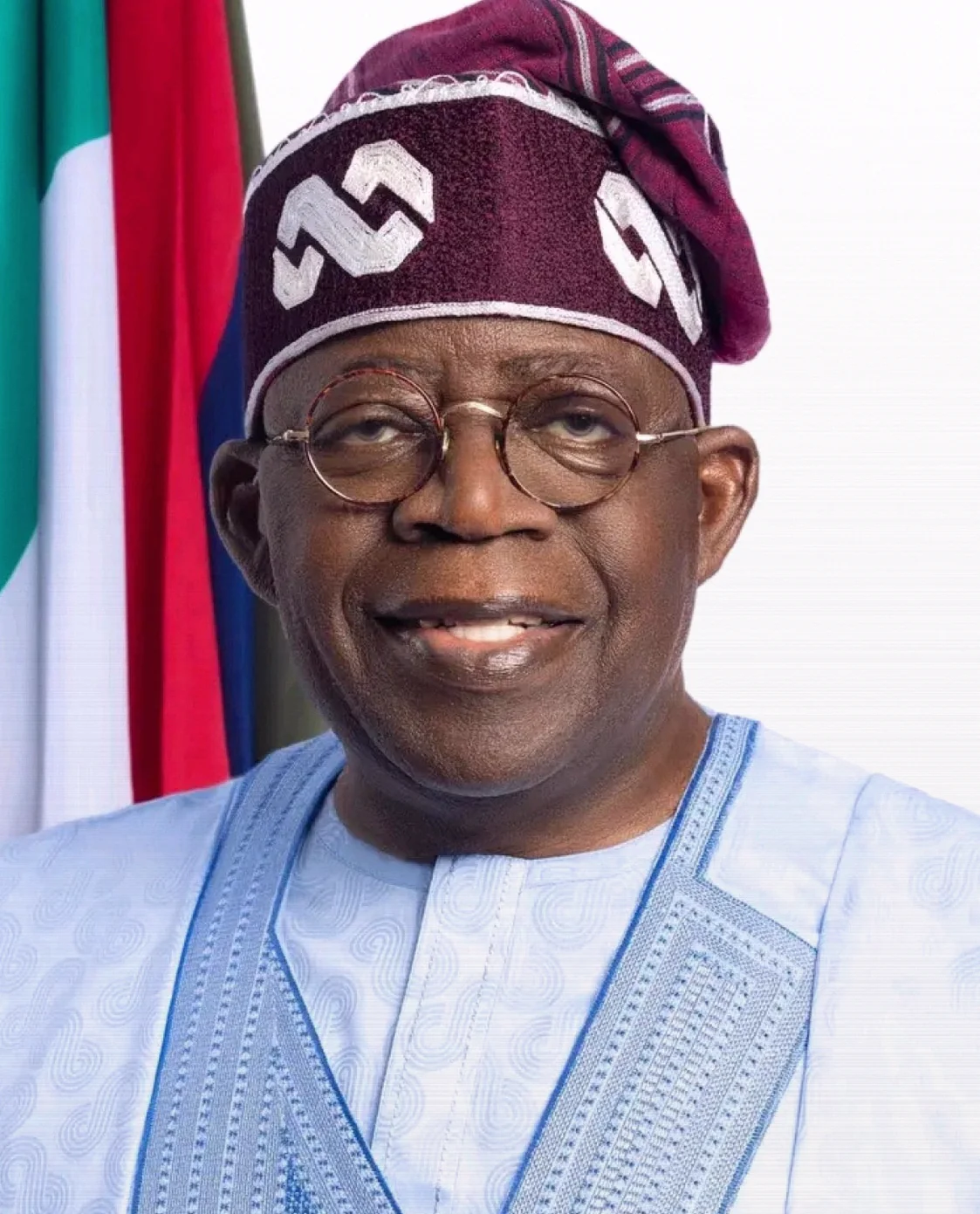
Economists and market analysts are weighing the mixed results of President Bola Ahmed Tinubu’s economic agenda as he marks three years in office on May 29, 2026. After the administration rolled out major reforms that included removing fuel subsidies and liberalising the naira, many Nigerians say their cost of living has worsened sharply. Yet some data points—such as a return to modest GDP growth and a rise in foreign reserves—have also fed arguments that the economy is slowly stabilising, even if household conditions have not improved in tandem.
Three years of reforms, and why the outcomes look uneven
Tinubu began his term by announcing two “twin” measures: the end of fuel subsidies and a shift toward a more liberal foreign-exchange regime. While supporters argued the steps were necessary to correct longstanding distortions, critics say the transition period brought immediate hardship for ordinary citizens.
- Fuel prices surged after the start of the administration, rising from N238 per litre at the beginning of the period referenced to more than N1,340 per litre as of June 1, 2026.
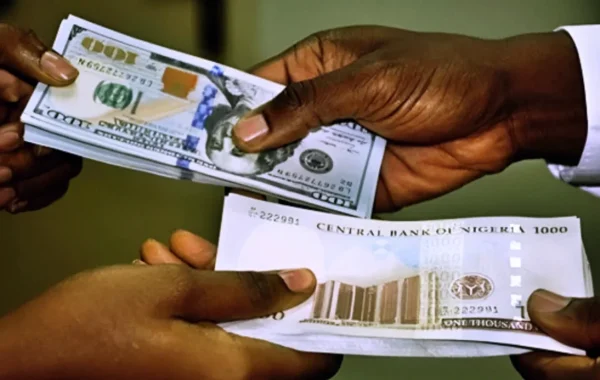
- The naira’s exchange rate moved sharply, increasing from around N460 per dollar three years earlier to about N1,366 per dollar by June 1, 2026.
- Higher exchange rates and fuel costs fed into broader prices across the economy, with the cost of food and services reportedly rising to about triple the level seen earlier.
- Inflation remained elevated, with headline inflation at 15.69% and food inflation at 16.06% for April 2026, intensifying pressure on households earning the current N70,000 monthly minimum wage.
Despite the strain, the government’s macroeconomic indicators have shown signs of improvement. Gross Domestic Product grew to 3.89% in the first quarter of 2026, while foreign reserves rose to $49.58 billion—figures cited by business and policy groups as evidence of gradual recovery.
Scores from economists: optimism on stability, criticism on living standards
The Centre for the Promotion of Private Enterprise, in a weekend statement led by its chief executive officer, Dr Muda Yusuf, pointed to the same macro data—GDP growth and stronger reserves—to argue that the country is on a path of gradual recovery. Still, prominent economists interviewed on the subject offered diverging overall scorecards for Tinubu’s performance.
Unegbu: 20%—GDP gains are not reaching the marketplace
Okechukwu Unegbu, a former president of the Chartered Institute of Bankers of Nigeria (CIBN) and a professor of accounting and finance at Lead City University, assigned Tinubu a 20% rating on a 100-point scale. He attributed the low score to rising inflation, high fuel prices, and worsening day-to-day living conditions.
Unegbu argued that improvements in official growth figures have not translated into better welfare for citizens. He said the disconnect shows up in how people buy food and manage household budgets, adding that inflation is still visibly high in retail markets. He also questioned the credibility of inflation data released by the National Bureau of Statistics, saying the published figures do not reflect the true situation on the ground.
- He said he would rate Tinubu only 20% because GDP gains cannot be clearly linked to conditions in everyday markets.
- He cited the difficulty of accessing affordable food, with retail prices remaining very high.
- He criticised inflation statistics from the National Bureau of Statistics, arguing they are not representative of reality.
On the policy front, Unegbu said the removal of fuel subsidies was a necessary move because the previous system was “laden with corruption,” but he stressed that the government should have paired the reform with credible alternatives that make life “a little bit better.” He also suggested that the economy might have deteriorated further without the stabilisation efforts of the Central Bank of Nigeria, led by Governor Olayemi Cardoso.
He added that fuel and housing costs have continued to intensify household strain, pointing to fuel prices around N1,400 per litre and describing market conditions—along with rent and broader economic activity—as being in disarray.
Oyedokun: 55–60%—a “work in progress” with foundational reforms
Godwin Oyedokun, an accounting professor, rated Tinubu’s economic performance between 55% and 60%. He said the reforms have achieved some successes, but have not yet produced meaningful improvements in living standards for most Nigerians.
Oyedokun described the record as a “work in progress,” arguing that key measures have helped lay groundwork for medium- to long-term stability. In his view, steps such as fuel subsidy removal, foreign-exchange reforms, improved government revenues, growing investor confidence, and moderate economic growth all suggest progress toward correcting structural weaknesses.
- He called the administration’s reform effort a “work in progress,” with foundations for stability but limited immediate relief.
- He cited removal of fuel subsidies, foreign-exchange market reforms, higher government revenues, and improved investor confidence as positive developments.
- He said rising food prices, transportation costs, energy expenses, inflation, and declining purchasing power have continued to reduce household welfare.
Oyedokun argued that the central challenge is converting reforms into visible improvements in quality of life—lower inflation, better jobs, higher incomes, and easier access to basic necessities. While acknowledging that the government deserves credit for tackling difficult problems, he said the persistence of hardship among millions cannot be ignored. On a 100-point scale, he maintained the administration’s performance should be placed at roughly 55–60%, reflecting reform momentum alongside continuing suffering.
He further said the ultimate test of success will not be economic statistics alone, but whether reforms improve the lives of ordinary Nigerians in the years ahead.
Idakolo: 50%—reforms prevented collapse but left households worse off
Gbolade Idakolo, chief executive officer of SD & D Capital Management, said Tinubu’s reforms helped prevent economic collapse, but that Nigerians are worse off than they were in 2023. He gave the administration a 50% rating, arguing the government’s measures averted fiscal breakdown while still triggering severe hardship for the public.
Idakolo said the end of fuel subsidies and deregulation in the foreign-exchange market were painful but necessary to rescue the country from a looming financial crisis. He argued that while the policies improved government finances and helped stabilise key macroeconomic indicators, they also pushed citizens into widespread economic difficulty.
- He said the “twin policies” of subsidy removal and exchange-rate deregulation caused untold hardship for Nigerians.
- He argued the same measures saved the government from bankruptcy.
- He said state governments had struggled to meet salary obligations before the administration began, while the Federal Government was spending more than 80% of revenue on debt service.
- He described the economy as having been operating in an unsustainable “bubble,” with reforms exposing weaknesses that were previously concealed.
Idakolo also acknowledged efforts aimed at stabilisation, including higher foreign reserves, attempts to keep the naira steady, and steps designed to boost investor confidence. However, he said the benefits have not reached most households, and that promised palliative measures have not delivered the expected relief.
Concluding his assessment, Idakolo said that on a 1–100 scale he would realistically score the administration at 50%, reflecting a trade-off between macro stabilisation and the lack of visible improvement in living conditions.