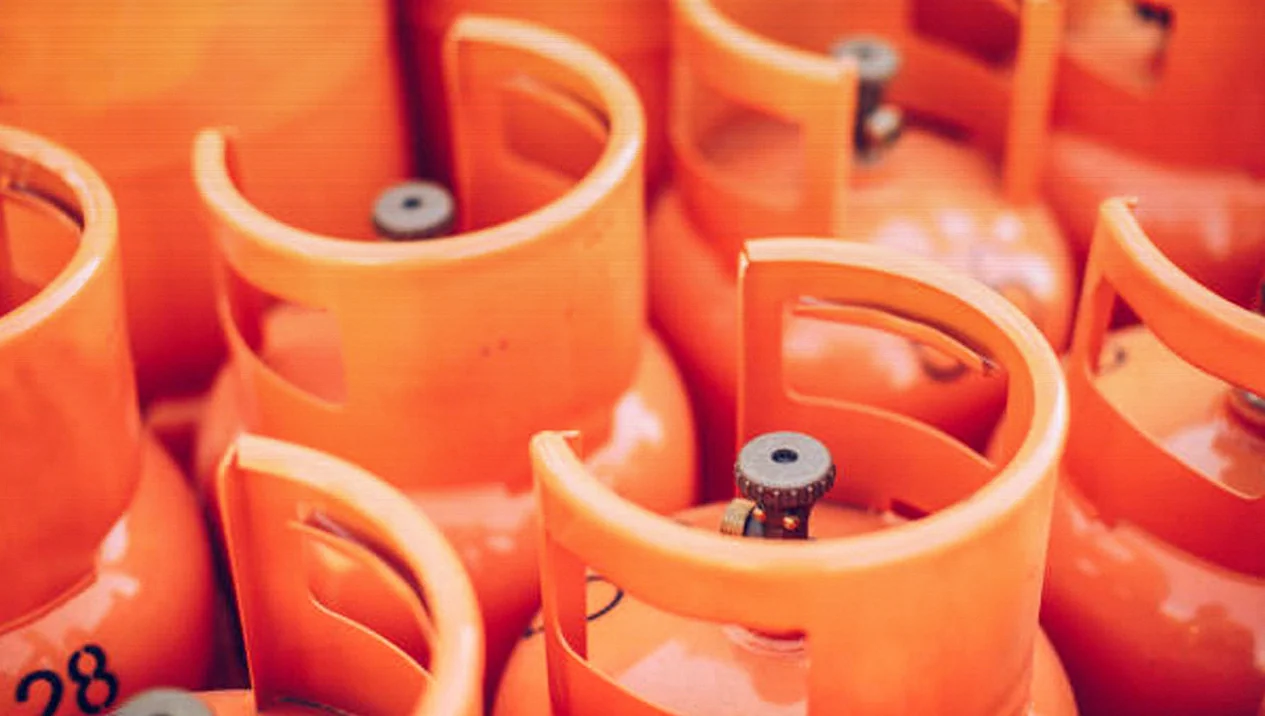
Nigeria’s government has moved to tackle a sharp spike in the cost of liquefied petroleum gas used for cooking, commonly known as cooking gas, announcing what officials described as an immediate approach to ease prices nationwide.
Immediate steps to address LPG price pressures
- Rabiu Umar, chief executive of the Nigerian Midstream and Downstream Petroleum Authority (NMDPRA), told stakeholders that targeted LPG imports would be used as the quickest lever to bring down rising prices.
- Umar said imports would help narrow the supply shortfall that has been driving market tightness.
- He also argued that Nigeria needs to expand LPG storage, terminals, and distribution networks across the country to address ongoing scarcity rather than rely solely on short-term measures.
- Umar said the import route is the only immediate way to fill the gap in supply, aside from the prospect of additional supply through MT shipments from Anoh.
- He further called for a broader infrastructure build-out and for faster development of domestic LPG production, including accelerated gas processing projects.
- Umar added that gas producers should be required to prioritize domestic LPG supply obligations to help stabilize availability.
Umar said the current pump price of cooking gas—set at N2,100 per liter—is not cost-effective from a supply standpoint, describing the increase as primarily driven by market conditions and shortages.
The announcement comes as cooking gas prices jumped by 75% over the last few weeks, rising to as much as N2,100 per liter from about N1,200 in Abuja. As prices climbed, many Nigerians reportedly shifted toward firewood and other lower-cost alternatives for cooking, underscoring the pressure the higher LPG bills are placing on household budgets.