
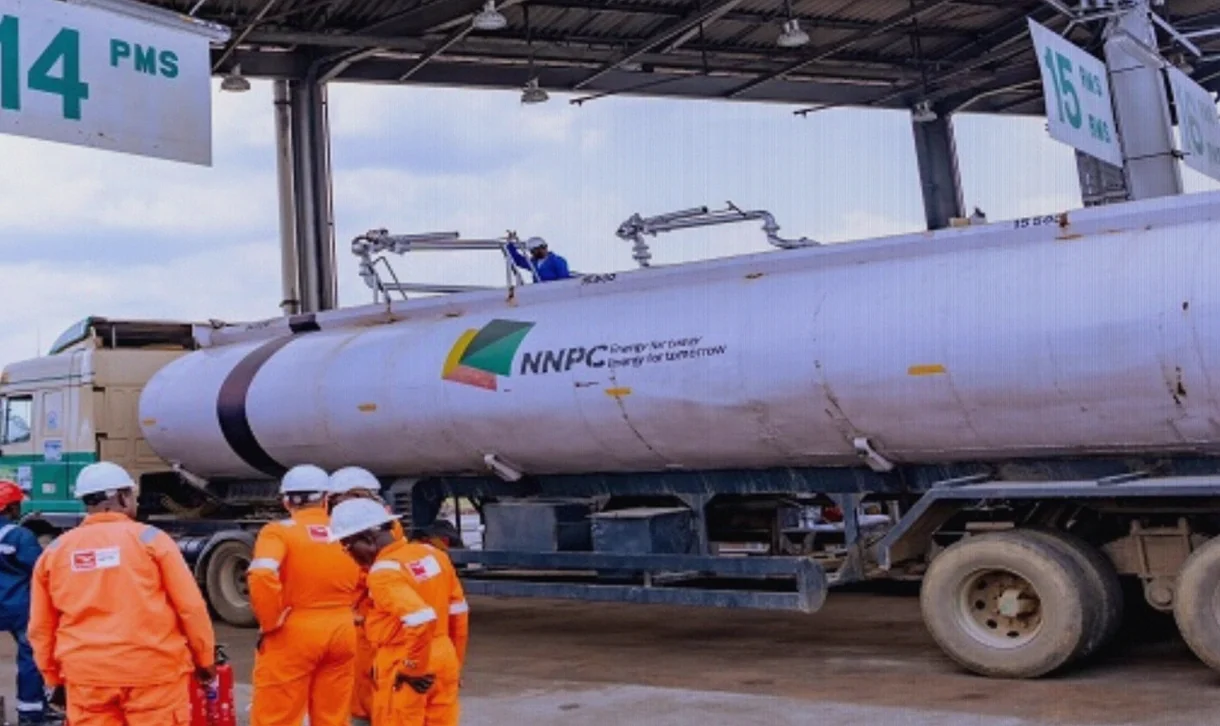
A public affairs analyst and transparency campaigner, Oghenetega Edafe, has dismissed a renewed Nigerian National Petroleum Company Limited plan involving Chinese companies aimed at restarting the Port Harcourt and Warri refineries, calling it another cycle of wasted resources. He outlined his criticism in a statement released on Wednesday.
Edafe’s comments come after NNPCL renewed optimism for the refineries’ return to operation, following a memorandum of understanding recently signed with Chinese firms. The agreement had been welcomed by petroleum product marketers and fuel retailers, who suggested that if the deal is carried through, it could translate into lower retail prices at the pump.
But Edafe argued that the partnership represents a further instance of government money being spent without adequate justification or measurable learning from earlier efforts. He pointed out that the refineries have already consumed about $1 billion in rehabilitation spending over the past two decades.
In his view, the situation raises major concerns about financial discipline, consistency of energy policy, and the lack of accountability for prior investments that have totaled billions of dollars. Edafe said the public pattern being repeated shows little evidence of reflection or improvement.
“What Nigerians are seeing is a worrying trend of policy rehashing without any genuine review. The same refineries that have taken in large amounts of public funding over the years are now again being placed at the center of new agreements, yet there has been no transparent record explaining what has already been spent or why those earlier investments did not produce the intended outcomes,” Edafe said.
He added: “After more than one billion dollars was committed to refinery rehabilitation, it is not acceptable that the country is being asked to accept another arrangement without a clear, verifiable audit of previous interventions.”
Edafe concluded that the issue is not only about policy shortcomings but also about the risk that public confidence in the management of national wealth could be undermined. “This is not just about policy failure; it is about the possible erosion of public trust in how national wealth is handled,” he said.