
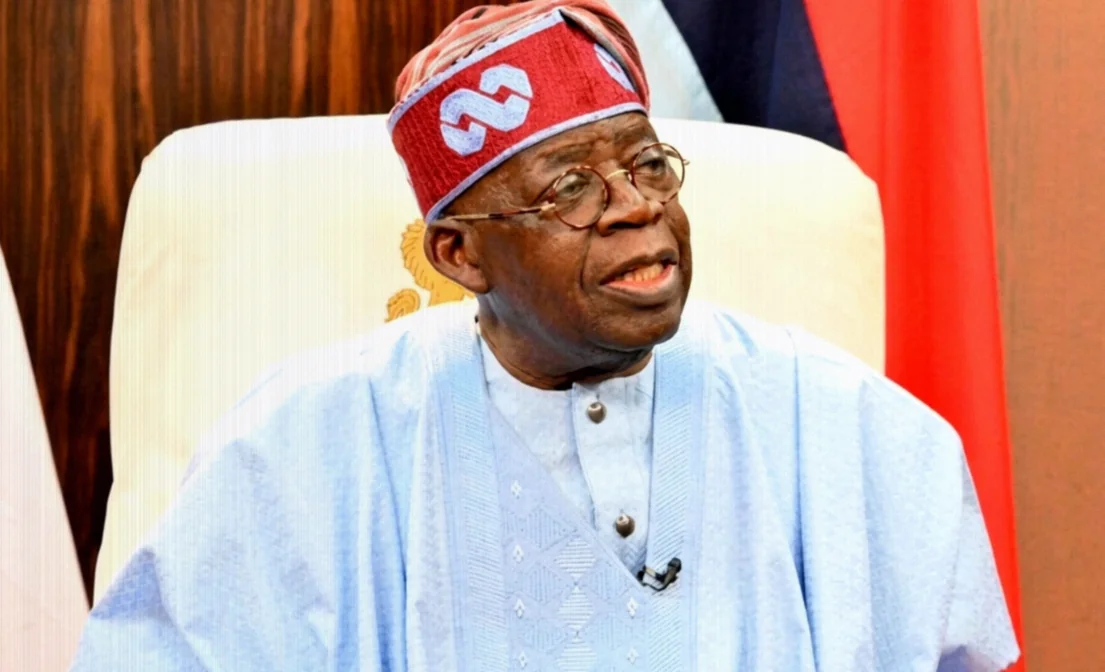
President Bola Ahmed Tinubu said Nigeria’s campaign to tackle persistent electricity problems is starting to show results, pointing in particular to off-grid solar initiatives run through the Rural Electrification Agency (REA) for communities that have long been left out of the power grid. Speaking in his Democracy Day address on Friday, he framed the progress as part of broader reforms meant to reshape the country’s electricity sector and improve reliability for households and businesses.
Democracy Day message: reforms and early signs of progress
In the address, Tinubu said the government’s ongoing work—especially the REA’s rural-focused off-grid solar programmes—has begun to deliver positive outcomes. He described these projects as targeted at underserved areas across Nigeria, arguing they are helping those communities participate more fully in national economic growth.
Policy moves aimed at power-sector restructuring
The president also highlighted the implementation of the Electricity Act, describing it as a reform that decentralises the sector. Tinubu said this shift is intended to tackle longstanding supply challenges that have constrained Nigeria’s power system for years.
- He said decentralisation under the Electricity Act is expected to help address entrenched issues affecting electricity delivery.
- He noted the REA’s off-grid solar work is supporting wider inclusion of underserved communities.
Metering gap and legacy debts: task force measures
Tinubu further stated that the Presidential Power Sector Task Force is focused on two major bottlenecks: closing the metering shortfall and clearing legacy arrears accumulated in the power sector. He said the outstanding debts are estimated at more than N4 trillion.
- Tinubu said the task force is working to reduce the metering deficit.
- He added that it has been authorised to raise a bond worth N4 trillion to settle verified legacy debts.
- He said the REA’s efforts are supported by international development partners, including the World Bank and the African Development Bank.
“The Presidential Power Sector Task Force is working hard to reduce the metering deficit and has been authorised to raise a N4 trillion bond to settle verified legacy debts,” Tinubu said. He linked the financial and operational steps to the broader objective of improving electricity access and participation in economic activity.
Solar mini-grids: expanded rollout to rural areas
Beyond the statements in the address, the federal government has intensified the deployment of solar-powered mini-grids across the country, with more than 1,000 projects being rolled out to expand electricity access in rural and underserved communities. The push is aimed at narrowing the gap between grid coverage and actual power availability for populations that rely on alternatives due to limited connection to the national system.