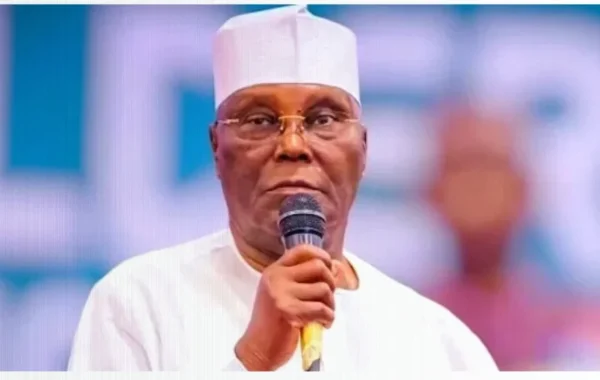
An energy specialist and anti-corruption campaigner, Tekeme Umukoro, has called for tighter oversight of spending by Nigeria’s Nigerian National Petroleum Company Limited (NNPCL), specifically questioning outlays linked to turnaround maintenance at the Port Harcourt, Warri and Kaduna refineries. His remarks, released on Thursday, come amid NNPCL’s recent announcement of a memorandum of understanding with Chinese firms aimed at restarting government-owned refining assets.
Key takeaways
- Tekeme Umukoro urged NNPCL to provide detailed accountability for refinery turnaround maintenance spending.
- His demand centers on alleged expenditure of $3.5 billion tied to Nigerian refineries.
- The remarks followed NNPCL’s announcement of an MoU with Chinese companies to relaunch government refineries.
- Umukoro criticized the refinery sector for repeating patterns of waste, lack of transparency and unfulfilled commitments.
- He said previous billions pledged for refinery rehabilitation have not produced visible results.
Accountability demanded amid new MoU push
Umukoro said NNPCL should first account for the claimed $3.5 billion spent on Nigerian refineries before moving forward with what he described as another “jamboree” under the banner of a memorandum of understanding with Chinese firms. He framed the current push as potentially repeating a familiar cycle in Nigeria’s refining sector, where large sums are allocated but outcomes remain unclear.
He argued that the pattern of waste and opacity has become entrenched, with promises repeatedly failing to translate into sustained progress at the country’s refineries. In his view, the new agreement is raising fresh accountability questions, particularly because earlier commitments involving billions of dollars for rehabilitation have not delivered tangible improvements.
Criticism of execution and secrecy
Umukoro said Nigeria can no longer afford what he described as a dangerous loop of spending without results, secrecy in operations, and continuing assurances that have not been met. He pointed to the Port Harcourt, Warri and Kaduna refineries, saying Nigerians have repeatedly been told these facilities were being revived, only for those assurances to unravel due to what he characterized as weak execution.
He added that the collapse of earlier revival claims reflected poor implementation, insufficient openness, and a lack of accountability. “We have gathered here today because Nigeria can no longer continue to tolerate a dangerous cycle of waste, opacity, and endless promises in the management of the nation’s refineries,” he said. He further stated that the recurring narrative of revival has repeatedly fallen apart under the weight of secrecy and the absence of clear responsibility for outcomes.