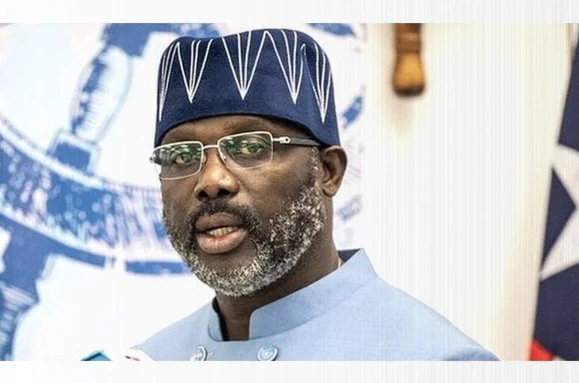
George Weah has hailed FIFA’s campaign against racism and hate speech as the most significant positive development in the sport’s history, urging football’s wider community to rally behind efforts to stamp out discrimination.
Speaking on the FIFA Podcast with former France and Arsenal defender Mikael Silvestre, the Liberian icon—who is also Honorary Captain of FIFA’s newly formed 16-man Players’ Voice Panel—said the governing body is making steady progress toward eliminating a problem that he believes continues to damage football’s growth.
“To see that FIFA is making every effort to eradicate racism and fight against hate speech is the best thing to happen to the game,” Weah told the show. “This is a game of unity, peace, friendship. We don’t need to hate people.”
The Players’ Voice Panel, made up of participants from a range of ethnic backgrounds and nationalities across all six FIFA confederations, has been tasked with tracking and advising on how the global response to racism is put into practice.
Weah, who was named FIFA World Player of the Year in 1995, also commended FIFA for pushing the initiative beyond sanctions and into schools and local communities, where young people are encouraged to learn the principles of living together, alongside learning the game itself.
“FIFA needs to make sure that those who don’t understand that people who love the game need to stay, live and work together are punished,” Weah said. “Those who use vocal language to bully other players need to be punished. What FIFA is doing is very good.”
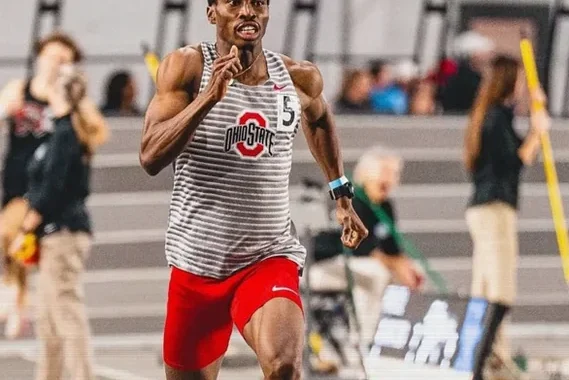
The former AC Milan and Paris Saint-Germain striker—who later went on to serve as President of Liberia—looked back on a personal path shaped by civil conflict, missed chances at World Cup glory, and the emotional satisfaction of seeing his son, Timothy Weah, represent the United States at the sport’s biggest tournament.
“I come from Liberia, a small country of five million people. We experienced wars and it was during our civil crises that we pushed our national team to rebuild the image of our country through sports,” he said.
Weah recalled how Liberia twice came agonisingly close to reaching the World Cup, falling short by just one point on one occasion, before crediting his wife’s determination for helping Timothy turn the dream into reality.
“She will drive far distances to take him to practice,” he said. “Today, Timothy has the chance to show what he learned over the years.”