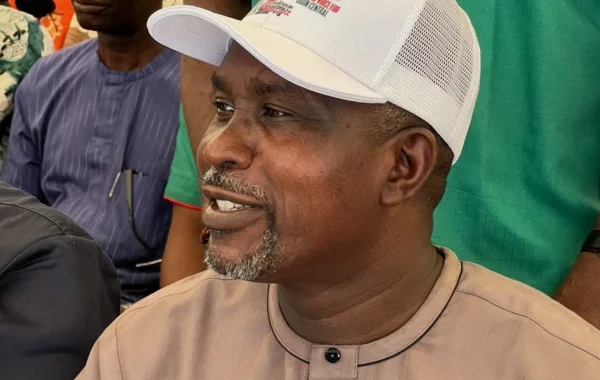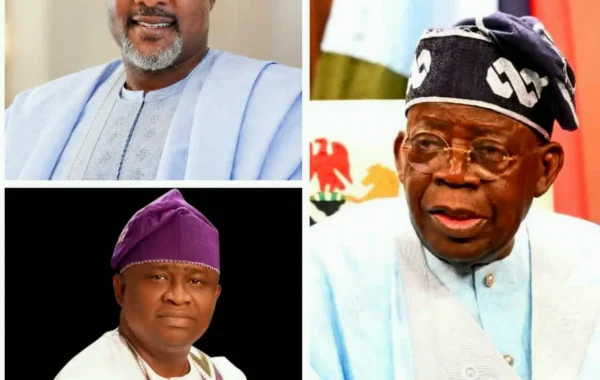
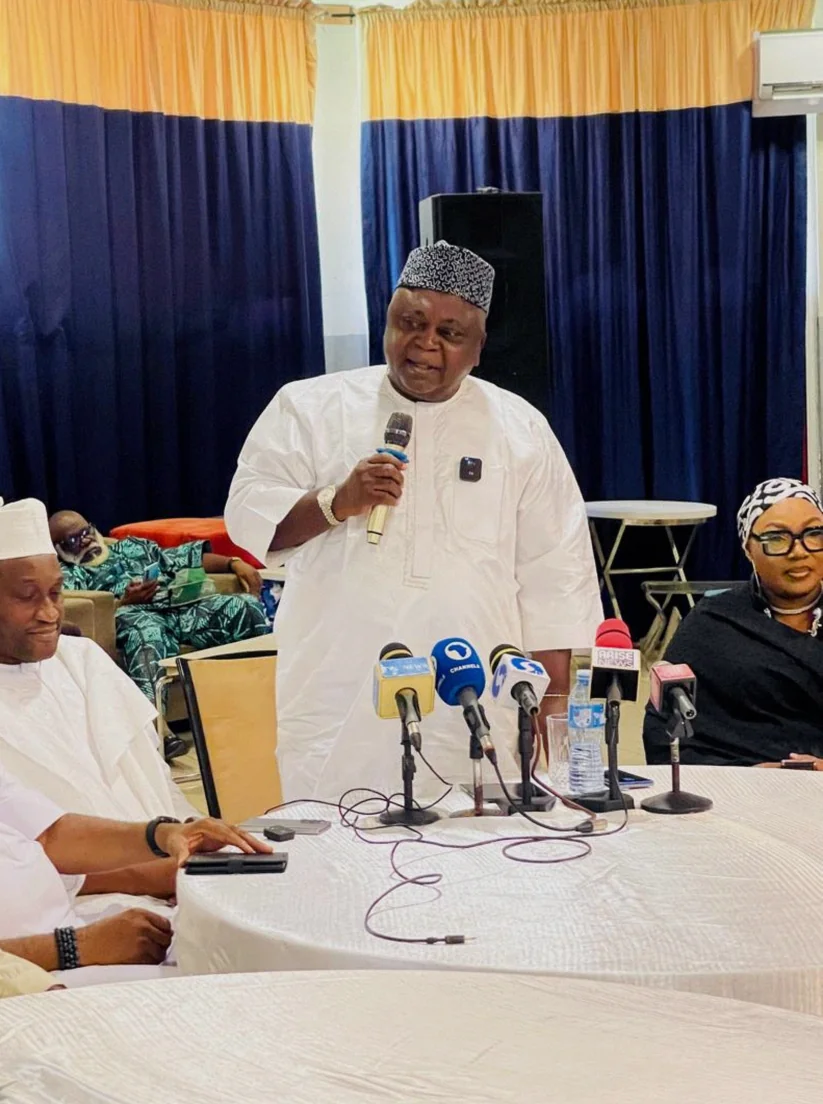
A PDP governorship contender, Dapo Adebutu, told reporters at a media briefing in Abeokuta on Monday that Nigeria originally got the structure of local government right, but that the system was weakened after state governments started running local election processes. He argued that this shift diluted the democratic purpose of the third tier, turning contests into predetermined outcomes and undermining the effective use of local funds.
How Adebutu says local government elections were distorted
Adebutu said local government autonomy was already functioning as intended when he served as a commissioner with the Ogun State Local Government Service Commission, adding that Nigeria “got it right” at the outset.
He maintained that once states began conducting local government elections, the democratic character of local governance disappeared. In his view, the system stopped being an election and became a selection, leaving local councils without the incentive or mandate to perform strongly.
- He said the democratic meaning of local government was eroded when state authorities took over local election activities.
- He argued that the change replaced genuine elections with selections, regardless of political party.
- He claimed that funds that should ordinarily reach local government were instead diverted and misused.
Claims on local government money and poverty reduction
On the question of autonomy, Adebutu argued that local government finances belong exclusively to the third tier and should not be interfered with. He said giving local councils direct access to their resources would have a major effect on reducing poverty and driving grassroots development.
He specifically said that local government funds should flow to local councils, describing this as “the biggest poverty alleviation” when money reaches communities through the third tier.
Adebutu also argued that restoring free and fair local elections is essential so residents are compelled to insist that local government resources are used for intended purposes rather than siphoned away.
Security, education and rural development priorities
Adebutu presented a wide-ranging agenda built around security, education, agriculture, rural development, and local government autonomy. He said strong governance is the surest route to prosperity and sustainable development.
He said, if elected governor, his administration would focus on improving the welfare and operational readiness of security agencies. He also pledged to expand rural infrastructure, strengthen farmers’ capacity, and reform the state’s education system.
He said insecurity remains the central challenge facing Nigeria and called for deliberate investment in community-based approaches to safety.
- He said his administration would prioritise security agencies’ welfare and operational capability.
- He pledged expansion of rural infrastructure and support for farmers.
- He promised education reform if elected.
- He said investment is needed in community-driven solutions to address insecurity.
Street lighting and a personal record of support
Adebutu advocated for improved street lighting across communities, arguing that darkness enables criminal activity. He said he had spent nearly N20 million in the last two to three years providing solar-powered streetlights in various communities.
He argued that under good governance, every community should have access to a basic minimum standard of lighting, and he linked street lighting to safer public spaces.
He also disclosed that he had personally supported security operations over the years by providing fuel, funding vehicle repairs, and supplying other logistics. He said the state must provide the resources needed for security institutions to function effectively.
Linking security, autonomy and accountability
Adebutu described insecurity as the foremost problem facing the country and said security would be placed first on his agenda. He argued that a prosperous society cannot be built without ensuring the safety of people and property.
He also said strengthening governance at the grassroots level depends on greater local government autonomy, arguing that development accelerates only when local councils are empowered to respond to community needs. He described security, local government autonomy, and accountability as interconnected pillars of good governance rather than separate policy issues.
Rural development, agriculture and education reform
On rural development, Adebutu pledged to close the infrastructure gap between urban and rural areas through targeted investments in roads, electricity, healthcare, and other essential services.
He said agriculture should be treated as a major engine of economic growth and employment, especially for young people, and he promised programmes to improve farmers’ access to affordable financing for farming and agribusiness entrepreneurs.
He also called for comprehensive reform of the education sector, saying it should place greater emphasis on vocational education, entrepreneurship, and digital literacy.
- He promised targeted rural investments in roads, electricity, healthcare and other services.
- He said agriculture is central to growth and jobs, particularly for young people.
- He pledged improved access to affordable financing for farmers and agribusiness entrepreneurs.
- He called for education reform focusing on vocational training, entrepreneurship and digital literacy.
Adebutu argued that many Nigerians live in rural areas and that providing basic amenities—electricity, roads, healthcare, education, and security—can reduce pressure for migration to overcrowded cities. He said he had personally seen how agriculture can transform lives.
He added that one of the main hurdles for farmers and entrepreneurs is access to affordable capital, and he said his goal is to give hardworking young people a real chance to succeed.
He argued that education must extend beyond academic credentials, saying it should include vocational and technical training, entrepreneurship, digital literacy, and practical life skills.
Obasanjo backs PDP after aligning on the governor’s agenda
Earlier in the briefing, Senator Iyabo Obasanjo, the Ogun Central senatorial candidate, said her vision for Ogun state aligns with Adebutu’s, and that this alignment contributed to her decision to reconsider her position within the PDP context.
She urged Ogun residents to vote for the PDP in the upcoming elections, citing the achievements Adebutu has delivered in the state despite not holding power.
Who attended the media engagement
The briefing included a range of party candidates and stakeholders, such as the deputy governorship candidate, Dr Yemi Sowunmi-Kolapo; the state PDP chairperson, Abayomi Tella; the House of Representatives candidate for Ijebu Central, Wale Okunbanjo; and Hon. Segun Adekoya, among other party leaders and participants.
- Newer
- Older