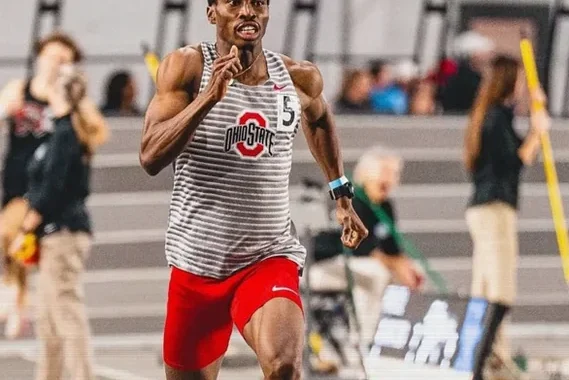
Nigeria’s athletes who train at home have emerged as the driving force behind a renewed push in track and field, with the Athletics Federation of Nigeria (AFN) saying their recent progress shows the country is shifting back toward being a genuine continental powerhouse. The AFN highlighted relay qualification strides, strong performances at major meets and what it called a historic milestone for Africa as key indicators of that change.
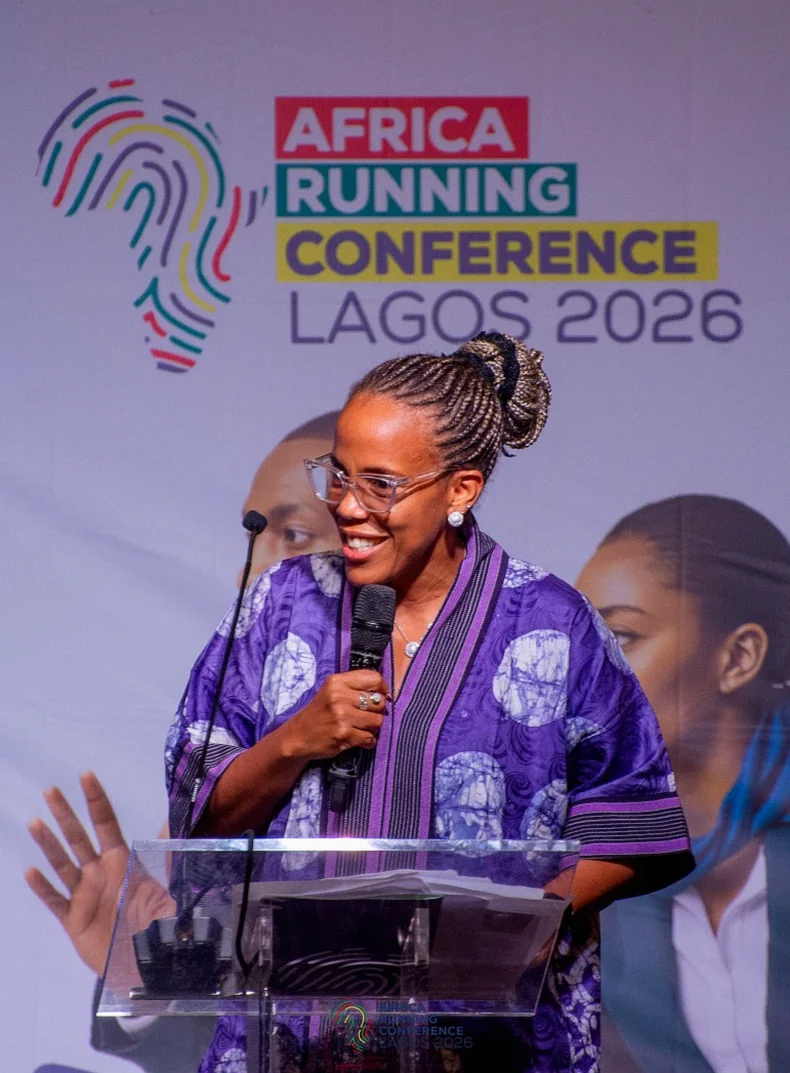
AFN 2nd Vice President Aku Aghazu said the outcomes across the last 12 months have confirmed the federation’s decision to place deliberate investment behind athletes preparing within Nigeria rather than focusing only on those based overseas.
“The real measure of an athletics programme is not how many headline performers it has abroad, but how many chances it creates for competitors training inside the country,” Aghazu said. “Athletes based at home are the foundation of Nigeria’s athletics future, and building their pathway is a top strategic priority for this AFN leadership.”
The AFN described the results as “tangible,” pointing to a structured approach developed together with the National Sports Commission (NSC). The federation said that through a competition and preparation programme, home-based athletes were given the chance to race in three major national and international events ahead of the World Athletics Relays Championships in Gaborone, Botswana.
That groundwork, the AFN added, helped Nigeria secure qualification in six relay disciplines for the World Relays. It then said Nigeria converted those achievements into three relay places for the 2027 World Athletics Championships in China.
Key milestones in the run-up and beyond
- Nigeria’s home-based athletes took part in three major national and international events as part of a preparation plan ahead of the World Athletics Relays Championships in Gaborone, Botswana.
- Nigeria qualified for six relay events at the World Relays and later turned that into three relay berths for the 2027 World Athletics Championships in China.
- The mixed relay team delivered a landmark breakthrough, making Nigeria the first African nation to earn a spot at the Mixed 4x100m Relay for the inaugural World Athletics Ultimate Championship.
- The inaugural World Athletics Ultimate Championship is scheduled to be held in Budapest, Hungary, in September 2026.
- Before the World Relays, a squad made up largely of home-based athletes recorded strong performances at the Solidarity Games in Saudi Arabia.
- Home-grown athletes also formed the core of Team Nigeria at the CAA Senior Athletics Championships in Accra, Ghana.
The AFN also pointed to the mixed relay qualification as its most notable “first for Africa,” describing it as Nigeria’s historic entry into the Mixed 4x100m Relay at the inaugural World Athletics Ultimate Championship in Budapest next September.
Among the athletes the federation says have come through this home-based development programme are Chidera Ezeakor, Tejiri Godwin, Miracle Ezechukwu, Maria Thompson, Rosemary Nwankwo, Nathaniel Samson, Sikiru Adeyemi, Asuquo Ezekiel, Esther Okon, Gafari Badmus and Toheebat Jimoh.
Aghazu said the AFN is working to widen competition pathways, strengthen athlete support and deepen partnerships with schools. He added that prize money at the National Trials—reportedly for the first time in many years—will be directed not only to home-based athletes but also to standout coaches.
Infrastructure work is also underway, with the AFN stating that the athletics facility in Sagamu, Ogun State is being fully refurbished under NSC supervision. The federation said Babcock University has joined the project to offer scholarships and additional developmental assistance for athletes.
Aghazu credited the NSC, headed by Mallam Shehu Dikko and Hon. Bukola Olopade, for what he described as timely fund releases, ongoing athlete grants and the return of structured, periodic camping programmes for elite home-based athletes. He noted that the camping model is being reintroduced for the first time in more than a decade.
“Nigerian athletics will not be built by, or depend solely on, training camps outside the country,” Aghazu said. “It will be constructed on tracks, fields, schools and communities across Nigeria—from Anambra to Lagos, Kaduna to Akwa Ibom, and Ogun State to Edo State—where promising young athletes are given the chance to dream, grow and succeed.”