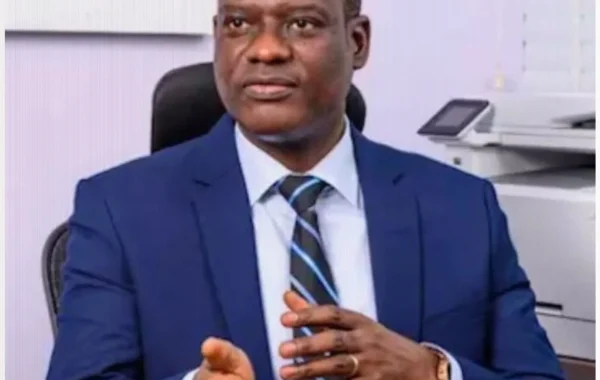
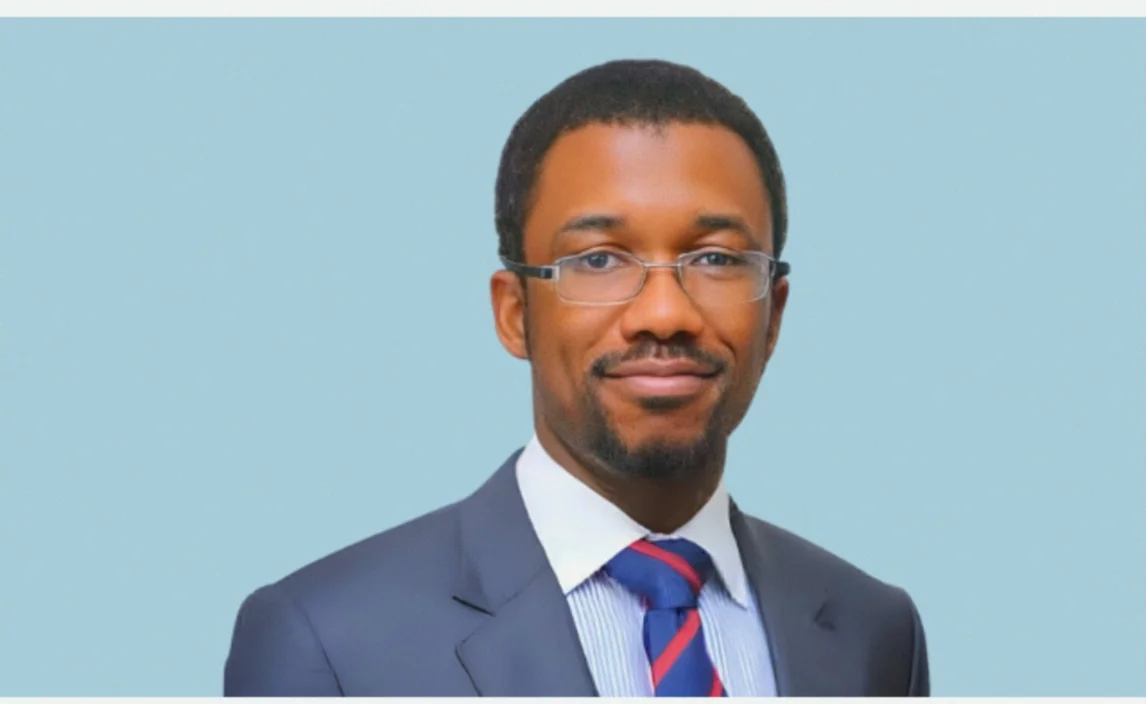
Nigerian financial analyst Kalu Aja has challenged claims that the federal government cancelled a $717 million World Bank loan tied to the power sector. Writing on his X account on Tuesday, Aja said the facility was instead withdrawn by the World Bank after it judged Nigeria’s performance as unsatisfactory, pointing to worsening tariff shortfalls that followed foreign-exchange liberalisation.
Quick facts
- Aja said the World Bank withdrew a $717 million power-sector loan, rather than Nigeria cancelling it.
- The withdrawal was linked to unsatisfactory performance, with persistent revenue-cost gaps in the electricity sector.
- Tariff shortfalls, Aja said, worsened after the June 2023 foreign exchange liberalisation.
- Nigeria’s debt stock was cited at N159.28 trillion as of the first quarter of 2026, per the Debt Management Office.
- The presidency, via spokesperson Bayo Onanuga, said Nigeria had not over-borrowed from the World Bank or any lender.
Aja’s comments come as a separate report circulated that Nigeria had asked the World Bank to end the remaining portion of a $1.52 billion power recovery programme. The amount associated with the “cancelled” tranche, he noted, matched the full undisbursed balance left under the programme.
In the reporting of the approval timeline, the World Bank board had approved the original financing on June 23, 2020, with total funding of roughly $752.5 million in equivalent terms. The issue has since drawn attention from Nigerians concerned about the country’s rising debt burden, which the Debt Management Office put at N159.28 trillion as of the first quarter of 2026.
Presidency denies over-borrowing
Amid the controversy, the presidency pushed back on the broader implication that Nigeria had taken on excessive obligations to the World Bank or other lenders. In a statement by spokesperson Bayo Onanuga, it said Nigeria had not over-borrowed from the international lender or from any other financier.
Why the World Bank acted
Against that backdrop, Aja argued that the World Bank’s decision was driven largely by deteriorating tariff collections after Nigeria liberalised the foreign exchange market. He said the World Bank had flagged a continuing mismatch between what the power sector brings in and what it needs to pay to keep operations running.
In Aja’s account, the World Bank’s published findings pointed to recurrent financing gaps—especially tariff shortfalls—that left Nigeria unable to generate enough revenue to sustain the electricity sector. He also recalled that Nigeria developed the Power Sector Recovery Programme (PSRP) in 2021, with World Bank support of $20 million, adding that the programme delivered substantial results during its early phase.
He said reforms under the PSRP reduced tariff shortfalls by 71% between 2019 and 2022, with the figure falling from N581 billion to N166 billion. Aja added that regulatory cost recovery improved from 56% to 94% over the same period, while annual electricity delivered to the national distribution grid rose by 13% between 2018 and 2021.
Those outcomes, Aja said, helped pave the way for a new World Bank facility of $750 million approved on June 9, 2023. But he argued that the picture changed after Nigeria liberalised the foreign exchange market in June 2023, which lifted the naira cost of gas used for power generation because gas payments are denominated in dollars.
As a result, Aja said tariff shortfalls climbed sharply—from about N140 billion in 2022 to an estimated N1.9 trillion across 2024 and 2025—creating severe strain on federal finances. He noted that even though the World Bank acknowledged that earlier reform targets had been achieved and verified, further disbursements under the additional financing arrangement did not move forward because the tariff gaps widened.
Aja further said the naira’s devaluation increased liabilities across Nigeria’s power sector, while the government adjusted electricity tariffs only for Band A customers. In his words, devaluation meant Nigeria could not cover the cost of USD-priced gas, leading to soaring power liabilities; with only Band A tariffs adjusted, the international lender withdrew the funding, describing progress as “moderately unsatisfactory.”