
Nigerian authorities are stepping up efforts to curb contractual clashes in public infrastructure deals nationwide, as the country faces a projected $2.3 trillion shortfall in infrastructure financing. The move comes as the federal government holds talks with major stakeholders over how responsibilities should be handled between government agencies and private counterparties.
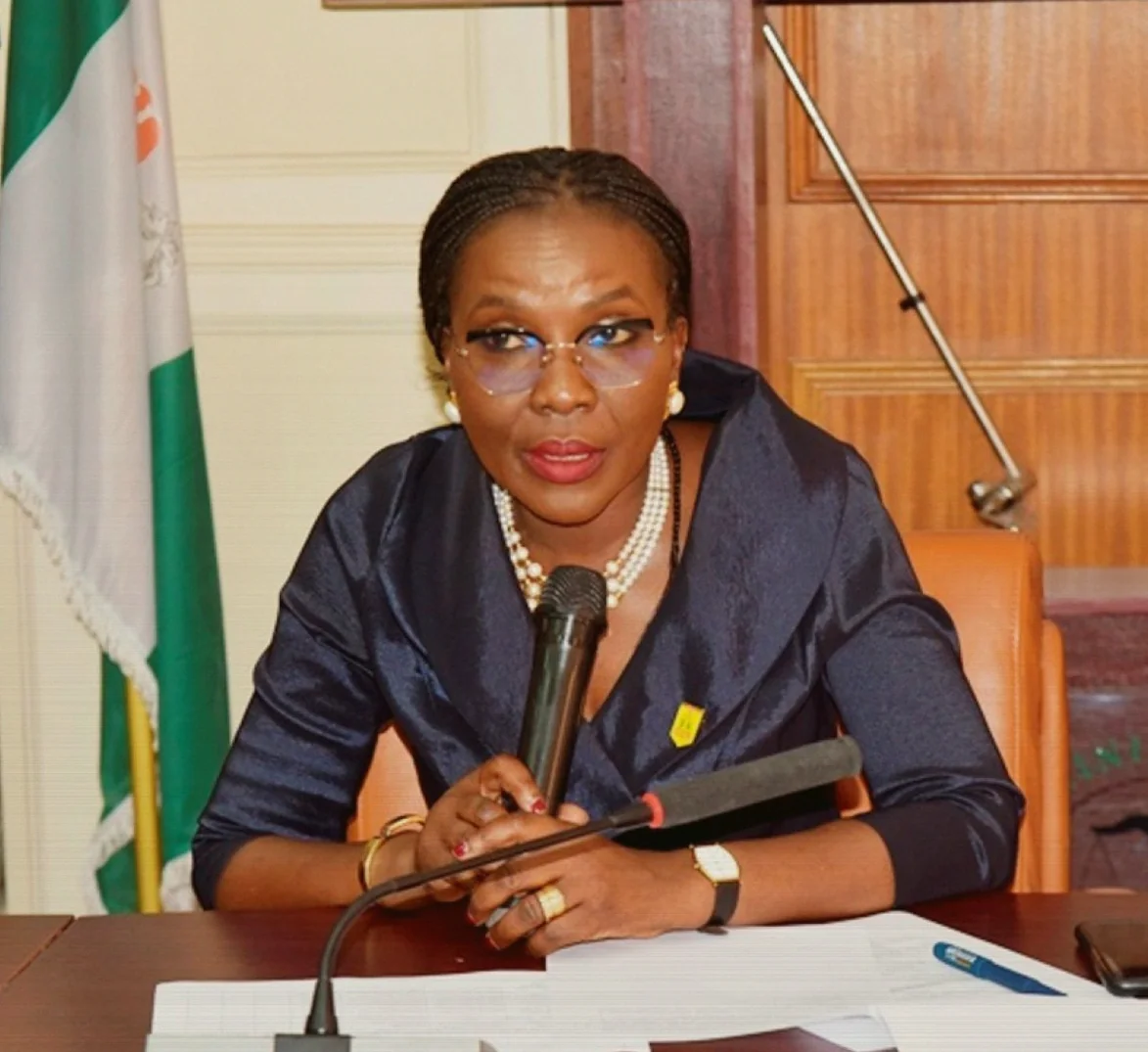
Speaking in Abuja on Tuesday, Beatrice Jedy-Agba, Solicitor-General of the Federation and Permanent Secretary at the Federal Ministry of Justice, said that long-running infrastructure contracts under public-private partnerships frequently carry complex legal exposure. She warned that such arrangements can leave Nigeria exposed to costly risks and liabilities.
Jedy-Agba said the government has introduced a Model PPP Agreement designed to reduce the likelihood of aggressive lawsuits triggered by weakly drafted contract terms. She described the document as part of a broader effort to foster effective governance, support long-term development, and encourage economic growth.
“This has been a process rooted in collaboration, careful review, and a shared objective. There have been multiple engagements, retreats, and meetings, bringing together legal practitioners from across the country to assess and improve the model agreement,” she said. “Those sessions have helped create a clearer, more durable, and more functional framework for PPP arrangements.”
She added that the model is intended to strengthen transparency and accountability, improve value for money, and raise investor confidence, while also ensuring that public interests remain adequately protected.
Jedy-Agba stressed that the Ministry of Justice will remain a central player in safeguarding government interests in long-term infrastructure transactions. She said the inherent complications of PPP contracts over extended periods can generate major risks, and that the ministry’s role includes reviewing indemnity provisions and designing dispute settlement structures capable of defending the federal government against what she described as predatory litigation, sovereign default claims, and skewed allocation of risk.
In separate remarks, Jobson Ewalefoh, Director-General of the ICRC, highlighted the scale of Nigeria’s infrastructure gap. He said the deficit is estimated at $2.3 trillion and warned that closing the shortfall by 2043 would require mobilising roughly $100 billion every year.
Ewalefoh began by pointing to the figure itself, describing $2.3 trillion as a conservative estimate of the country’s current infrastructure deficiency. He said that relying on government revenues alone will not be enough to meet national infrastructure needs, making private-sector participation a key ingredient for delivering on President Bola Tinubu’s Renewed Hope Agenda.
The ICRC chief noted that for almost two decades, PPP deals in Nigeria were negotiated on an individual basis. He argued that this approach produced uneven outcomes, including inconsistencies in how risks were assigned, how disputes were handled, and how investor protections were defined.
He said the new framework supplies nationally accepted guidelines meant to cut delays in negotiations, lower transaction costs, and improve the “bankability” of infrastructure projects. Ewalefoh said the agreement includes specific provisions addressing risk distribution, protections for lenders, dispute resolution processes, insurance obligations, performance monitoring, and anti-corruption safeguards.
He also said the framework establishes a structured dispute mechanism that starts with consultations and negotiations, before parties move to arbitration under the Arbitration and Mediation Act, 2023. “The approach is designed to ensure that reasonable options for resolving disputes are used first, before litigation expenses take hold,” he said.
Ewalefoh further stated that the model is meant to bring greater certainty for the government, stronger protection for investors, and better service delivery for Nigerians. He added that MDAs—Ministries, Departments and Agencies—would no longer need to start PPP contract negotiations from the beginning each time, because the framework sets a legally grounded starting point for infrastructure transactions.
“I am confident that, working together, the ICRC, our MDAs, development partners, and investors can help narrow the trillion-dollar infrastructure gap. And concession by concession, we can build the Nigeria that Renewed Hope has promised,” he said.
Stakeholders from multiple federal MDAs attended the engagement. The initiative is taking place alongside renewed efforts by the government to reinforce legal safeguards in major commercial contracts, following Nigeria’s successful response to an $11.5 billion arbitration claim brought by Process & Industrial Developments in the United Kingdom.