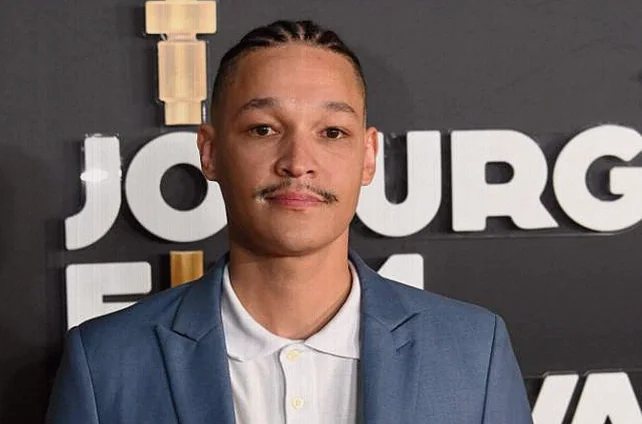
South African actor Brighton Ngoma has been getting candid about the harder side of life in the spotlight—sharing how fame has affected his health, his emotions, and the way he thinks about his work as an actor.
In a frank chat on the Unscripted Network podcast, the former Scandal! star opened up about his battle with vitiligo, saying the condition intensified soon after he began rising in the public eye. He explained that what started as relatively mild patches later became far more widespread, and he believes the timing wasn’t a coincidence.
Ngoma recalled that he first spotted small areas of vitiligo while working on events after finishing high school. At the time, he said it wasn’t extreme or obviously dramatic, and it didn’t seem to move quickly.
“When I started my journey on Scandal, my vitiligo started about a year or two before I joined Scandal!. It wasn’t noticeable; it wasn’t as rapid as it got at some point,” he said, pointing to how the changes accelerated later on.
According to the actor, the intensity of sudden recognition and the strain that can come with being constantly seen in public may have helped set off the faster progression. He linked the shift to the pressure of becoming widely known and the stress that can follow.
“I think the stress and the spotlight of suddenly being recognised and being Quintin and being famous triggered a stress response in my autoimmune situation. It then made my vitiligo spread a lot more rapidly,” Ngoma shared.
He also noted that stress is frequently discussed as a possible contributor to vitiligo, even though there isn’t a single, clear scientific explanation for what causes the condition in every case.
Beyond his health journey, Ngoma turned to the emotional realities of the entertainment industry, describing acting as something that often depends on drawing from personal wounds and real-life experiences. In his view, the craft can reward vulnerability, but it can also lean into insecurity rather than healing.
“I think the industry and maybe the craft itself thrives on insecurity and lived experience, more often negative than positive,” he said.
Ngoma further revealed that his background wasn’t easy. He described growing up with financial hardship and dealing with the pain of abandonment after his father returned to Switzerland and began a new family there.
He said that parts of his own life eventually found their way into his Scandal! character, Quinton Nyathi. Ngoma explained that early on, he ended up speaking with someone connected to the show, and that conversation later influenced how the character’s storyline was shaped.
“I accidentally spoke to one of the executives at Scandal in the early days, and then they moulded Quinton’s storyline around my story,” he shared.
While he described the process as therapeutic in some ways, Ngoma stressed that acting can also come with a heavy emotional price. Revisiting painful memories repeatedly, he said, can affect you long after the take is done.
“You’ve now tapped into maybe a really hectic experience that you’ve had in your childhood or adulthood, and then you have to convey that as a character, and then you go home that night having relived this thing,” he said.
The actor also reflected on the worry and pressure he felt when playing a gay character on screen. He admitted he was initially concerned about whether he could represent the LGBTQ+ community in a respectful and accurate way.
Ngoma recalled talking with fellow performer Zolisa Xaluva about her experience portraying a same-sex relationship on Generations. He said at first the role made him feel unsettled, but the experience ultimately helped him challenge rigid beliefs about what kinds of characters he could portray.
“To go back to why I’m eternally grateful for that experience is that it broke me out of the ‘I could never, it could never be me,’” he said.
He added that the lesson went beyond personal confidence—it also changed how he thought about audiences and what viewers truly want from actors. In his mind, authenticity and connection matter more than labels or expectations.
“The audience doesn’t necessarily care. They just want to see you,” Ngoma concluded.