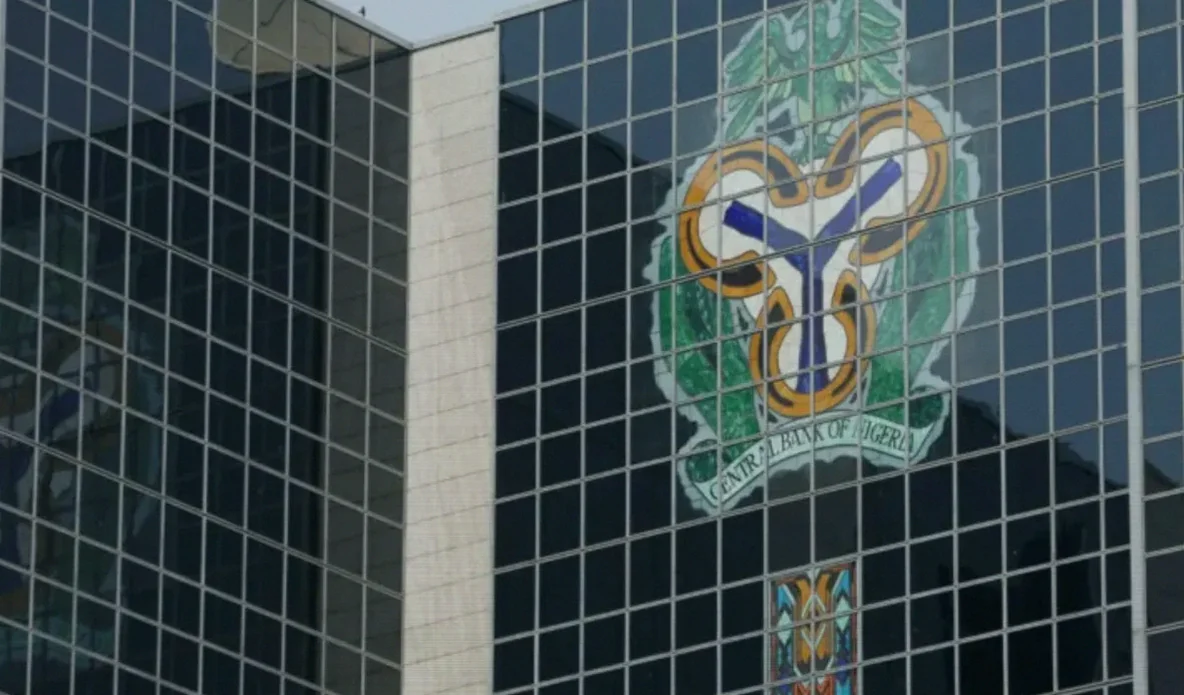
Nigeria’s central bank has set out a change in senior leadership responsibilities, redeploying its deputy governors with effect from June 1, 2026. The reshuffle, reflected in updated portfolio assignments on the bank’s official website, comes as policymakers continue work under the ongoing monetary and financial system reform agenda.
Key takeaways
- The Central Bank of Nigeria’s deputy governors’ portfolios will change starting June 1, 2026.
- Philip Ikeazor has been reassigned to the Economic Policy function.
- Muhammad Sani Abdullahi will move to Corporate Services.
- Emem Usoro is now responsible for Operations.
- Lamido Yuguda has been placed in Financial System Stability.
- The latest leadership adjustment follows a Monetary Policy Committee meeting that kept the policy rate at 26.50%.
Portfolio reshuffle across policy, operations and stability
The central bank said the redeployment is based on revised responsibility areas for each deputy governor. Taken together, the move represents an internal realignment at a critical stage of the monetary and broader financial system reform cycle, when coordination across departments can materially affect implementation.
Under the new arrangement, Mr Philip Ikeazor has been transferred to Economic Policy. Muhammad Sani Abdullahi has been reassigned to Corporate Services, while Emem Usoro has taken on the Operations portfolio. Lamido Yuguda will now oversee Financial System Stability.
CBN’s description of the change indicates that experienced leadership will be placed across the bank’s key workstreams—ranging from policy formulation and day-to-day execution to institutional administration and supervision of systemic risks.
Context: leadership structure and recent monetary policy decision
The central bank is led by Governor Olayemi Cardoso, supported by four deputy governors. The personnel changes arrive days after the Monetary Policy Committee concluded its 305th meeting, during which it maintained the interest rate at 26.50 percent.