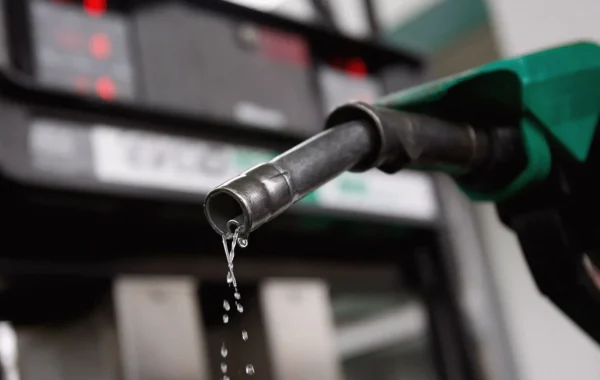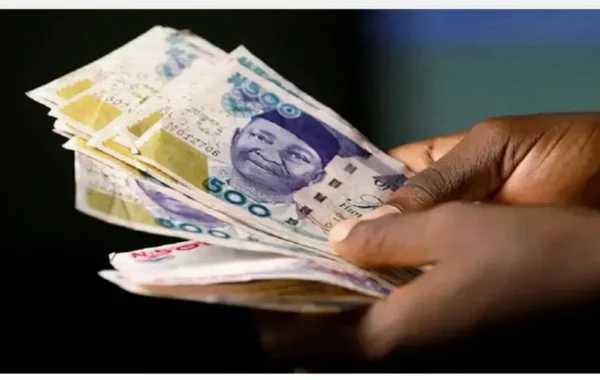
A Nigerian Muslim advocacy group has urged the federal government to force petroleum fuel marketers to cut pump prices, arguing that there is no economic justification for petrol to remain above 1,000 naira per litre after international oil costs have eased.
Pressure for lower fuel prices
In a statement released on Friday and signed by its National Coordinator, Alhaji Ibrahim Abdullahi, the Muslim Media Watch Group of Nigeria (MMWG) said the recent ceasefire between Iran and the United States has reduced geopolitical pressure in the Gulf and contributed to a decline in global oil prices back toward levels seen before the war.
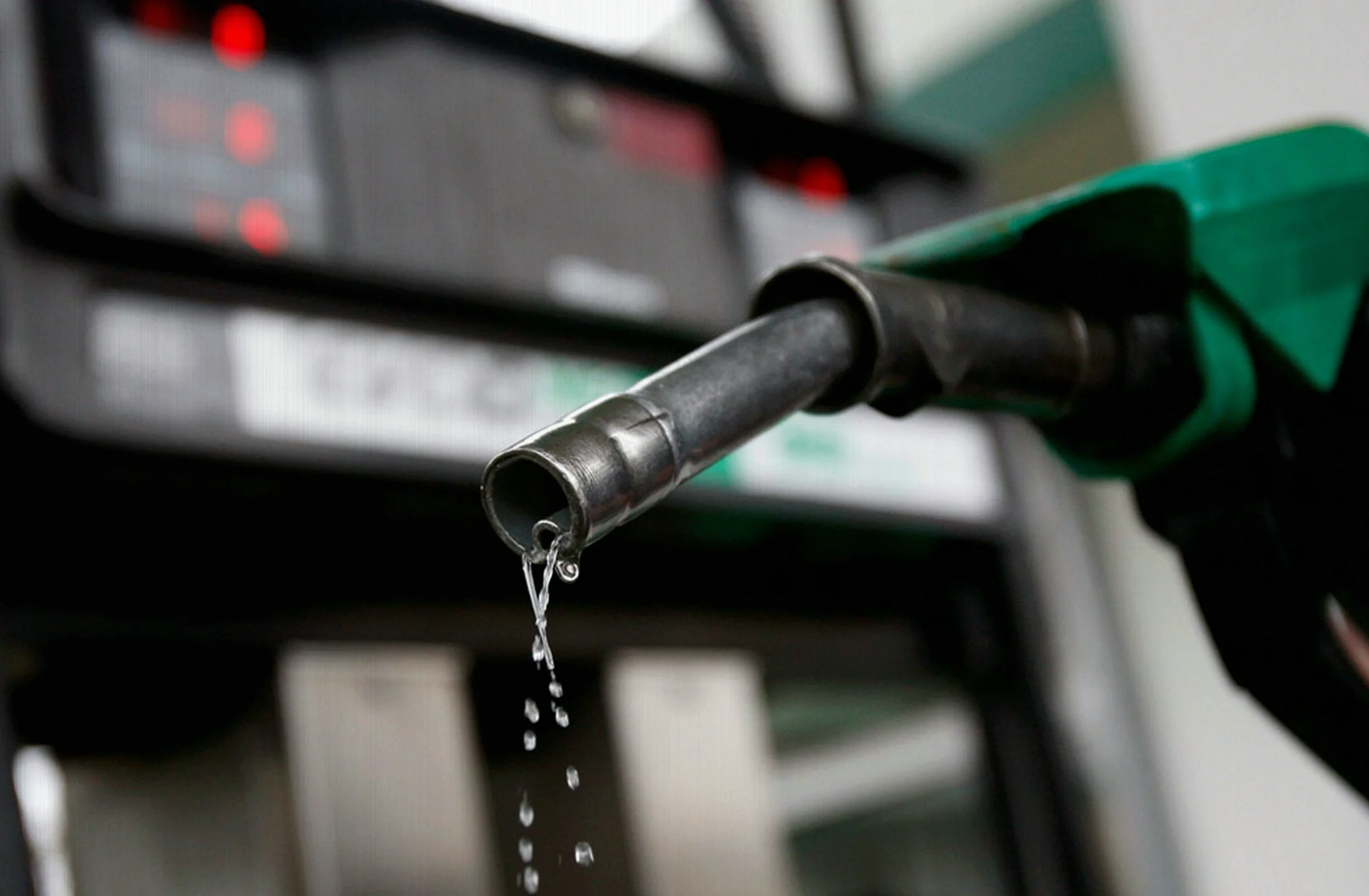
The group said the earlier spike in petroleum prices was driven by heightened conflict risk between the United States and Iran, and that the ceasefire has removed the conditions that pushed fuel costs higher. On that basis, it argued there is “no basis” for Nigerian marketers to keep Premium Motor Spirit—petrol—priced above 1,000 naira per litre.
MMWG described the persistence of high pump prices as both “highly insensitive and inhuman,” adding that it views the pricing strategy of marketers as a form of economic sabotage targeting ordinary Nigerians. It said petrol and diesel—both central to household and business operating costs—should be pushed below 1,000 naira per litre to ease cost-of-living pressures.
The group also pointed to the intensification of religious prayers over the past year aimed at ending the Gulf conflict, asking why relief has not translated into lower fuel costs at home despite the easing of tensions abroad.
MMWG cited claims that other countries impacted by the conflict are already seeing cheaper fuel and questioned why Nigeria has not experienced similar reductions. To address the hardship, it called on the federal government to direct marketers to return to what it described as the “pre-war price” of 700 naira per litre of petrol.
Call for federal intervention and regulator action
The group urged the Federal Competition and Consumers Protection Commission (FCCPC), operating under Nigeria’s Federal Ministry of Trade, Industry and Investment, to intervene without delay. It warned that economic hardship would persist if fuel marketers were allowed to raise prices “indiscriminately” without oversight.
MMWG further commended the Dangote Group for spearheading petroleum refining changes and for efforts aimed at promoting more equitable pricing. Still, it urged the company to go further by supporting policies that would drive down commodity prices to relieve Nigerians facing what it described as serious hardship.