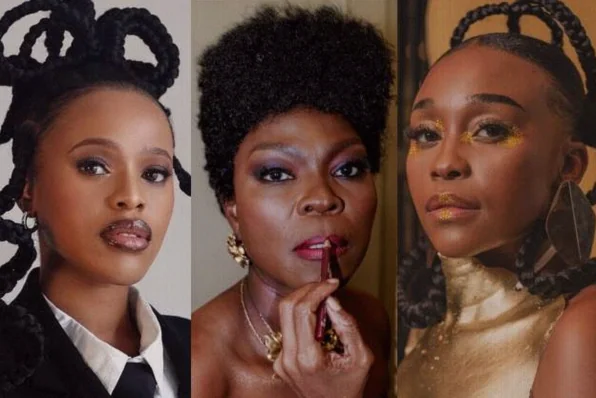
For decades in South Africa, Drum Magazine’s iconic agony aunt Sis Dolly wasn’t just a weekly column—she was a trusted presence in countless households. Readers turned to her for guidance on love and heartbreak, family tensions, and the everyday emotional battles that rarely fit neatly into polite conversation.
Now, the much-loved advice voice is being brought to the big screen in Dear Sis Dolly, a warm South African family comedy-drama set to arrive in cinemas nationwide on 3 July 2026. The project reimagines that original spirit for a new audience while tackling themes that feel just as urgent now as they did then.
Quick facts
- Dear Sis Dolly is a South African family comedy-drama.
- The film launches nationwide in cinemas on 3 July 2026.
- It is produced by Known Associates Entertainment.
- Didintle Khunou stars as Khethiwe.
- The story centres on a free mental health centre called ‘Legae’ in Meadowlands facing closure.
Produced by Known Associates Entertainment, the movie is positioned as both a tribute to one of the country’s most enduring media institutions and a story about healing. It explores mental health, recovery, community bonds, and the personal growth that comes from confronting who you are beneath the roles you perform.
Khethiwe’s fight—and her own healing
At the heart of the film is Khethiwe, portrayed by award-winning actress Didintle Khunou. In a clear echo of the real-life Sis Dolly, Khethiwe becomes the kind of person others look to when they’re navigating their own struggles.
But the closer she gets to helping everyone else, the more she’s forced to face unresolved pain of her own. Her journey follows an idealistic psychologist who is determined to keep ‘Legae’—a free mental health centre in Meadowlands—from shutting its doors.
When a chance appears to compete for the next Drum magazine Sis Dolly, Khethiwe sees a path to both expand her impact and obtain the funding needed to protect the centre. As the story progresses, the boundary between adviser and patient starts to blur, reflecting a reality many caregivers and mental health professionals know all too well: you can spend your life supporting others while quietly postponing your own needs.
Didintle Khunou as Khethiwe
Khunou said stepping into the role felt deeply personal. She explained that she drew from her own experiences and related strongly to Khethiwe, particularly the character’s tendency to put everyone else first.
According to Khunou, Khethiwe’s biggest flaw is her willingness to sacrifice herself for other people’s wellbeing, even while looking for recognition and approval. The actress also connected with Khethiwe by revisiting memories of her earlier years in the industry—when young performers often chase being seen, acknowledged, and chosen.
In Khunou’s view, one of the film’s most powerful ideas is the importance of choosing yourself. She argued that women are often trained to overlook their own needs while pursuing a “greater good,” and she framed the movie’s message as a reminder that real community change starts with “filling your own cup first.”
Khunou added that playing Khethiwe became a healing process that pushed her toward forgiveness—especially for a younger version of herself that constantly sought validation. She said the role helped her accept that younger self while learning to hold boundaries.
The cast includes Natasha Thahane as Abo, a character Thahane describes as stylish, sharp, and layered. Speaking about the role, she said she intentionally avoided framing Abo as a simple villain, choosing instead to understand what drives her behaviour.
Thahane shared that the key, for her, was finding the humanity and vulnerability beneath the polished exterior. She believes audiences may dislike Abo’s choices at times, but hopes they’ll also recognise parts of her journey—particularly the insecurities and desires that fuel her need to control, which often stems from fear.
For Thahane, the work required balancing confidence with vulnerability so viewers can see both strengths and flaws in the same person. She said what interested her most was exploring the tension between who Abo presents herself to be and who she truly is underneath—someone who wants to be seen, valued, and chosen, but sometimes pursues those needs in the wrong ways.
Thahane also tied Abo’s complexity to a core theme of Dear Sis Dolly: people are rarely as simple as they appear at first glance. She praised the film for giving every character room to feel human, adding that nobody is perfect and everyone is carrying something, trying to heal, and searching for connection in their own way.
Director Twiggy Matiwana on the Drum legacy
Director Twiggy Matiwana described Dear Sis Dolly as deeply personal, rooted in childhood memories of Drum Magazine. She said growing up in South Africa, Drum wasn’t merely a publication resting on a coffee table—it functioned as a reflection, a cultural guide, and a lifeline.
Matiwana recalled spending hours with her aunt’s collection of Drum issues, laughing, crying, and dreaming as she absorbed the stories. At the centre of that legacy, she said, was Sis Dolly—the agony aunt to the nation—who held space for people’s secrets and answered cries for help with fierce empathy and tough love.
For Matiwana, the impulse to revisit Sis Dolly came from realising that the concerns South Africans raised decades ago still land with striking relevance today. She explained that the advice column wasn’t only about romance; it was a space where ordinary people trusted a stranger with their deepest fears, desires, and dilemmas.
She described those letters as a portrait of a nation speaking to itself, and said it felt like the right moment to bring that legacy back because many of the questions—about love, identity, family, and belonging—remain present.
Matiwana said recreating something iconic carries real responsibility. Her focus, she explained, was to honour Drum’s spirit by preserving its humanity, wit, and courage, while creating a film that speaks to audiences today. Rather than simply replicating history, she said the team asked what those conversations reveal about who people are now—and how much has changed.
She also praised the ensemble cast, noting that their impact extended beyond star power. Matiwana said casting was about finding actors capable of bringing emotional truth to the characters, and that the team was fortunate to work with an incredible group that includes Mam’ Abigail Kubeka and Ntate Jerry Mofokeng-Makheta. She added that what mattered most wasn’t their public profiles, but their generosity, creative challenge, and ability to elevate each scene—giving the film its emotional heartbeat.
The journey from concept to screen took several years. Matiwana said she navigated the realities of producing an independent South African feature, including common difficulties around resources and time, while also treating the biggest creative challenge as finding a balance between historical authenticity and making the story feel immediate for today’s viewers.
She added that every obstacle strengthened the team’s commitment to telling the story with honesty and care. Looking ahead, Matiwana hopes the film sparks meaningful conversations long after the credits roll.
She said she wants audiences to leave feeling seen, reminded that their stories matter, and connected across generations by questions about love, dignity, and belonging. She also framed the film as a celebration of conversation, arguing that sometimes a single conversation can change a life.
The movie also highlights the cultural importance of Drum Magazine, which has long chronicled the lives, ambitions, and challenges of South Africans. In many ways, Dear Sis Dolly mirrors the publication’s real-world role as a platform where ordinary people sought comfort and guidance through shared experiences.
S’thandiwe Kgoroge as Melody “MM” Makaringe
Award-winning actress S’thandiwe Kgoroge plays Melody “MM” Makaringe, Drum magazine’s editor-in-chief. Kgoroge described MM as a leader whose intimidating exterior hides real compassion.
She said what fascinated her most about MM is that leadership isn’t always gentle. Sometimes it requires hard conversations, high standards, and uncomfortable truths, with the goal of helping people become better versions of themselves.
Kgoroge also said MM’s search for the next Sis Dolly goes beyond talent and public image. In her words, MM isn’t looking for perfection—she’s looking for authenticity, resilience, and purpose, someone who can inspire, uplift, and connect beyond the spotlight.
Drawing from MM’s media background, Kgoroge approached the character as someone who understands how demanding the industry can be. She said media can be rewarding, but also unforgiving, with trends rising and falling and careers changing quickly—so MM’s leadership style is firm because she’s preparing people for life beyond an audition.
The ensemble also features Alex Sono as Papi, a charismatic podcaster who reflects a modern version of the community storytellers and cultural commentators associated with Drum’s legacy. Sono said he sees his character and his podcast as akin to a contemporary Drum writer—thinking through community, and ways of being together.
He added that music and culture are central to Papi’s identity, embodying the city’s trends, pace, and rhythm as Khethiwe grapples with her world. Sono also explained that Papi’s relationship with Khethiwe is meant to underline the importance of community support.
He described it as a symbol of communal care—black young people lifting each other up and holding each other accountable. He also noted how meaningful it is to see young black men backing the women around them.
Slindokuhle Tshabalala as Zanothando
Another major relationship explored in the film is between Khethiwe and her sister Zanothando, played by Slindokuhle Tshabalala. Tshabalala said she connected strongly to her character’s emotional arc, drawing from her own experience of growing up in the public eye since she began acting at the age of 13.
She said she had to reconnect with a 13-year-old version of herself—someone exposed to unfiltered opinions without guidance on how to handle them. Reflecting on the sisters’ bond, Tshabalala framed attention as the feeling of being seen, protection as the desire for safety, and love as the message that you matter.
She suggested that Khethiwe and Zano lacked the “attention” piece in their sisterly love, and she believes the film offers an important lesson for anyone who has ever felt overlooked. Tshabalala said not being seen by the world and by the people who should see you doesn’t mean you’re inadequate—it means you’re brave enough to share your heart.
Veteran actress Abigail Kubeka plays Koko and said the role felt natural thanks to her own experiences as a grandmother. She described Koko as matriarchal, adding that she has played many matriarch roles, but this one felt among the easiest.
Kubeka explained that the part felt familiar because she also has grandchildren and understands how parents and grandparents often steer children toward familiar ground. She said it’s driven by the same desire: wanting the best for the people you love.
The film also includes Dineo Langa, Brighton Ngoma, and Dr Jerry Mofokeng-Makhetha, bringing together some of South Africa’s most celebrated performers. Producer Tshepiso Chikapa Phiri said the story taps into a shared national nostalgia, adding that it would be hard to find anyone in the country who doesn’t know and love Sis Dolly through Drum Magazine.
Phiri said the team is proud to bring this nostalgic, formidable modern love letter from South Africa to life. Fellow producer Moroba Nkawe added that the project continues their mission of telling authentic South African stories.
Moroba said producing Sis Dolly represents another achievement that reflects how well the company understands audiences and what they want—content they can relate to and keep close.
Advertising pioneer Dr Peter Vundla, making his feature film debut as executive producer, called the project “warm, distinctly South African, and deeply human”.
As audiences get ready to meet Khethiwe and her vibrant world, Dear Sis Dolly serves as a reminder that some stories never lose their relevance. Just as readers once turned to Sis Dolly for support through life’s challenges, the film underscores a universal truth: helping others often begins with healing yourself.
‘Dear Sis Dolly’ opens at Ster-Kinekor and Nu Metro cinemas nationwide on Friday, 3 July 2026.