
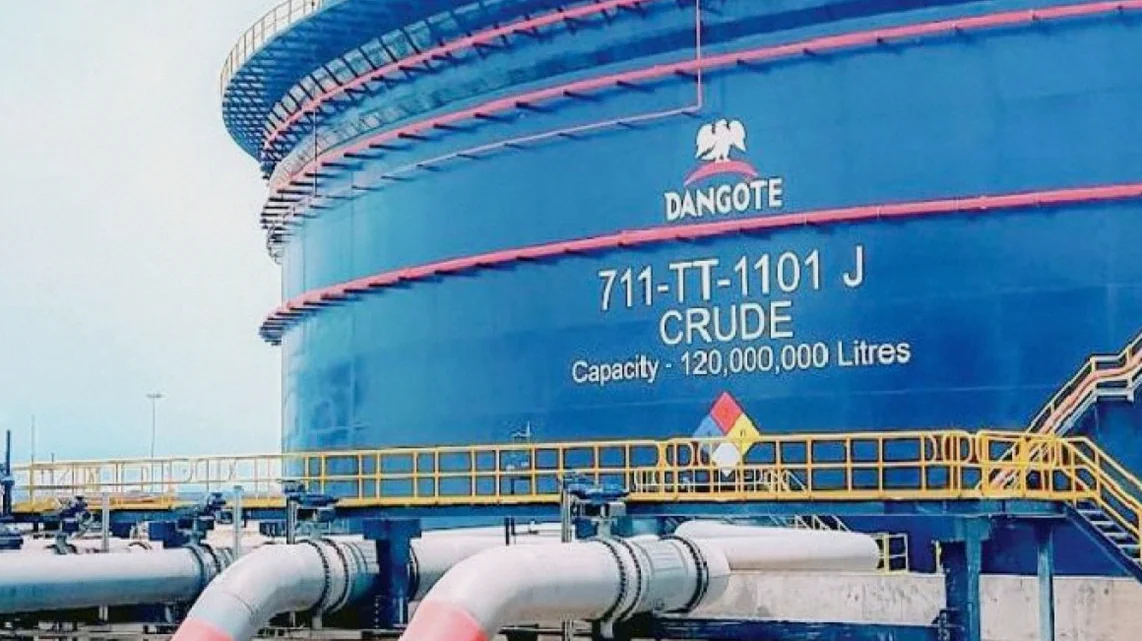
Dangote Refinery has rejected allegations that it sends refined fuel products to nearby countries and then re-imports the same volumes back into Nigeria. In a statement published on its official social media page on Wednesday, the company said the claims mischaracterise how its trading and supply decisions are made.
Quick facts
- Dangote Refinery dismissed claims that it exports refined products to neighbouring markets only to re-import them into Nigeria.
- The clarification was issued in a statement posted on the refinery’s official social media account on Wednesday.
- The company said Nigeria remains its primary market and domestic demand is the priority.
- It argued that exporting and then bringing products back would be commercially irrational due to extra logistics and financing costs.
- Dangote Refinery said exports are limited to volumes not bought by local fuel marketers.
The company’s comments came after reports suggesting the roughly $20 billion refinery favours export routes over domestic fuel availability. Dangote Refinery pushed back firmly, saying that its operational focus is geared toward serving Nigeria’s market first.
At the heart of the rebuttal is an economic argument: the refinery said it would not make sense to pay for additional shipping, storage, financing, and handling to send products abroad and then return them to compete in its largest and closest market. The firm framed the dispute as a matter of basic commercial logic rather than a technical or operational issue.
Dangote Refinery also insisted that exports are not carried out indiscriminately. Instead, it said outbound shipments cover only those volumes that are not purchased by Nigerian marketers, positioning export activity as secondary to domestic sales.
In its statement on X, the company said fuel markets are complex, but it believes the reasoning behind the allegations is not. It challenged the logic of the alleged “export then re-import” cycle by asking whether it is sensible to absorb extra costs solely for a product to come back and compete where demand is strongest.
The refinery further questioned who would financially gain from such a transaction and where value would be created across the supply chain. It concluded by reiterating that Nigeria remains one of Africa’s largest fuel markets and that domestic demand continues to come first, with exports limited to volumes not taken by local buyers.