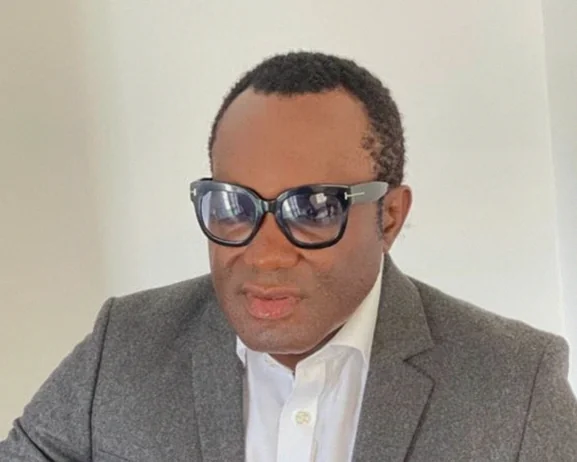
The chief executive of Monimichelle Sports, Ebi Egbe, has voiced worries about the quality level being targeted for Bayelsa State’s planned stadium developments, even while praising Governor Douye Diri for committing more than N100 billion to the projects.
Egbe said building a 30,000-capacity venue is not automatically a mistake, arguing that Nigeria still has limited stadium inventory that satisfies CAF requirements for Categories 3 and 4. However, he insisted the bigger issue is the state’s tendency to celebrate football facilities that fall short of internationally accepted standards.
“Big concrete blocks and eye-catching architectural work do not translate into FIFA or CAF clearance,” Egbe said. “The true measure is the standard of the essential football components—namely the playing surface, drainage, floodlights, dressing rooms, media and broadcast areas, and the full range of safety and security systems, medical provisions, spectator conveniences, and all other elements demanded by international stadium regulations.”
He added that he expects those critical features to be properly reflected in the budget set aside for the new Bayelsa Stadiums.
Egbe also highlighted what he called the underuse of the 30,000-capacity Godswill Akpabio International Stadium, describing it as among Nigeria’s standout football venues. He urged Bayelsa not to repeat the situation seen at the Moshood Abiola National Stadium, where a facility branded as top class has struggled to reach its full potential for years. Egbe further noted that the Akpabio stadium’s natural grass pitch requires urgent re-grassing as well as consistent upkeep.
Speaking as a Bayelsan with a stake in Nigeria’s sports infrastructure landscape—Monimichelle’s corporate headquarters is in Yenagoa—Egbe said his hope is that the projects will be finished within Governor Diri’s time in office. He warned that a change of administration could result in the work stalling or leaving the venues underutilised.
Egbe concluded with an appeal to Bayelsans, regardless of political leaning, to back the governor in completing both the Bayelsa Stadium and the Sampou Stadium projects, framing sports infrastructure as a long-term investment whose returns extend beyond any single term in government.