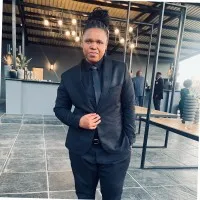

Khaya Mthethwa—musician and pastor—has opened up about why he makes music that feels heavy with purpose and rooted in genuine worship. For him, the starting point isn’t a crowd or a career milestone, but an audience of one: God.
Khaya Mthethwa’s “Encounter” is built for intimacy
His upcoming three-track EP, Arts & Worship II: The Encounter, arrives as a worship project meant to be born from real experience of God’s presence. Mthethwa describes the release as anchored in stillness, calling it his most deliberately personal work to date.
Sharing the spiritual foundation behind the record, he explains that the EP grew out of a season in which God reminded him of his priorities. Before he is an artist, a husband, or a father, Mthethwa says, he first belongs as God’s son.
He adds that the shift wasn’t about one dramatic moment, but about repeated, quieter encounters. In the middle of responsibilities and expectations, he found himself craving simplicity—returning again and again to intimacy rather than output. The project, he says, became his way of responding to that invitation.
Workshops with the community shaped the sound
What distinguishes The Encounter from the start is the way it was created. Before Mthethwa recorded a single note, he ran Art & Worship II workshops in Soweto and the East Rand. The sessions were grounded in relationship: meeting people, listening to their stories, praying, and worshipping alongside them.
In other words, the music took shape in those rooms well before it ever reached the studio. Mthethwa also makes it clear that the community is not just a distant audience figure—it’s part of the future of the craft itself.
- He says the community isn’t simply there to watch; they represent the next generation of recording artists and musicians in the country.
- He frames church community as central to the work, insisting they should be included in the creative process rather than waiting on the outside.
Worship, success, and the South African sound
Mthethwa points to a wider cultural moment for South African gospel music, noting that its reach is expanding and the commercial appetite is getting sharper. At the same time, he acknowledges that artists now face heightened pressure to balance spiritual authenticity with mainstream performance expectations.
He offers a blunt guiding question: determine who you’re singing for. If the audience is God, he says, success is measured differently. He adds that there’s nothing inherently wrong with excellence, visibility, or commercial results—just that those elements shouldn’t become the main masters you answer to.
He returns to that distinction often: worship comes first as an offering, and the product comes second.
When asked what South Africa brings to the global worship conversation, Mthethwa doesn’t hesitate. He credits a foundation of resilience and hope—an ability to sing through adversity and still believe for tomorrow. He also highlights the communal expression behind the music, describing the harmonies and rhythms as reflecting the country’s diversity and its faith. For him, the result is authenticity.
Art & Worship as a movement—and mentorship with honesty
Beyond the EP, Mthethwa’s work is tied to the broader Art & Worship movement, which he describes as expansive in its thinking. Its starting belief is simple: creativity is a gift from God, and worship stretches far beyond singing.
He says that whether someone is a musician, painter, filmmaker, writer, entrepreneur, or teacher, work done with intention and purpose can become an act of worship. The vision, he adds, is for Art & Worship to function as a space where artists are discipled, communities are changed, and creativity becomes a tool for ministry and cultural influence.
As he builds toward that bigger picture, Mthethwa also emphasizes his growing role mentoring young creatives. He doesn’t sugarcoat what it takes. He argues that gifting can open doors, but character decides how long you remain in the room.
- He says many young creatives chase talent, visibility, and opportunities while overlooking the inner work that sustains a calling.
- He notes that mentorship sometimes requires telling people to slow down and grow rather than rushing toward recognition.
- He adds that platforms may form quickly, but maturity takes time.
Three songs, no filler—and a message for the late-night listener
With Arts & Worship II: The Encounter, Mthethwa leans into the EP’s tight structure without apology. Three tracks, he says—no unnecessary filler. He explains that he wasn’t trying to fill space, and that sometimes less creates room for more meaning, reflection, and deeper engagement.
That restraint, he says, is a guiding philosophy throughout the entire project: limiting isn’t a weakness, but an intentional act that shapes both life and art.
Two of the songs include collaborators Taki Ndou and Oncemore Six. Mthethwa describes them as brothers and as living examples of Art & Worship, each in their own right.
For anyone who finds themselves alone at 2am, working through something they can’t quite name, Mthethwa says he hopes the final track offers comfort and presence. He wants listeners to know they aren’t alone, to feel seen by God and held by His presence—and, above all, to encounter Jesus personally.