Masai Ujiri’s Zaria Group has joined forces with the International Finance Corporation (IFC) to plan the creation of sports and entertainment venues across major cities in Africa, with the NBA executive arguing the project will help keep economic value on the continent while scaling opportunity for local communities.
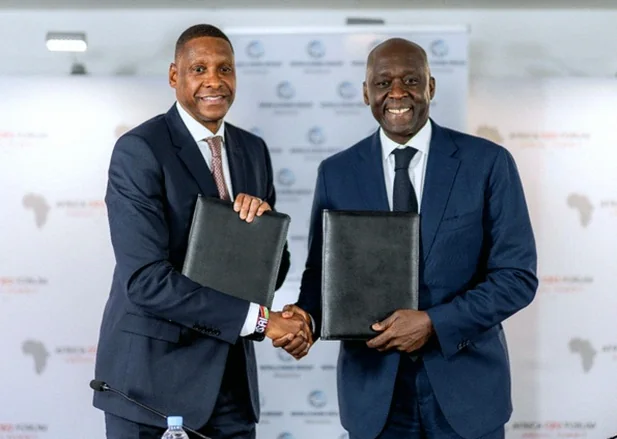
The partnership, unveiled in Kigali on May 15, will pair IFC—an arm of the World Bank Group—with Zaria Group to set up a development platform aimed at delivering sports and entertainment districts. The plan begins with Kigali and Nairobi, with an intention to broaden the model to additional African markets over time.
Ujiri presented the anticipated impact in concrete terms, pointing to the Nairobi initiative as a major employment engine. He estimates it could create around 3,500 construction jobs, provide about 1,500 permanent roles, and generate as many as 25,000 jobs tied to events. He described the figures as part of a wider chance for Africa’s young people, while also linking the effort to Kenya’s Vision 2030 urban development priorities—placing the project within a broader national growth agenda.
Beyond the headline job numbers, Ujiri stressed that Zaria Group’s value lies in operational experience. The business has already worked on venues including BK Arena, Amahoro Stadium, and Zaria Court in Kigali, and he argued that proven delivery is what differentiates this collaboration—framing it as a continuation rather than a brand-new concept.
“The sports and entertainment economy in Africa is booming, but we need the infrastructure to match,” said Ujiri, co-founder of Zaria Group and Team President of the Dallas Mavericks. “These districts will generate thousands of jobs, empower local businesses, and become hubs where African culture and talent thrive.”
A key element of Ujiri’s vision centres on ownership and long-term sustainability. The proposed Zaria District Platform is intended to develop and run venues that can stand on their own commercially, while also serving as anchors for nearby creative industries. The structure, he said, is designed to ensure the resulting economic benefits stay in Africa rather than being extracted elsewhere.
IFC Managing Director Makhtar Diop echoed that direction, highlighting that sports and entertainment already support millions of people globally and can provide a practical route into the formal economy—especially for young people and women.
For Ujiri, the motivation is also personal. After building his reputation by developing African basketball talent through Giants of Africa, he sees venue and infrastructure development as the next step needed for the continent’s creative and sporting sectors to reach their full potential.
“We look forward to building sustainable models that keep wealth on the continent and create opportunity at scale, turning Africa’s creative potential into economic reality,” he said.