
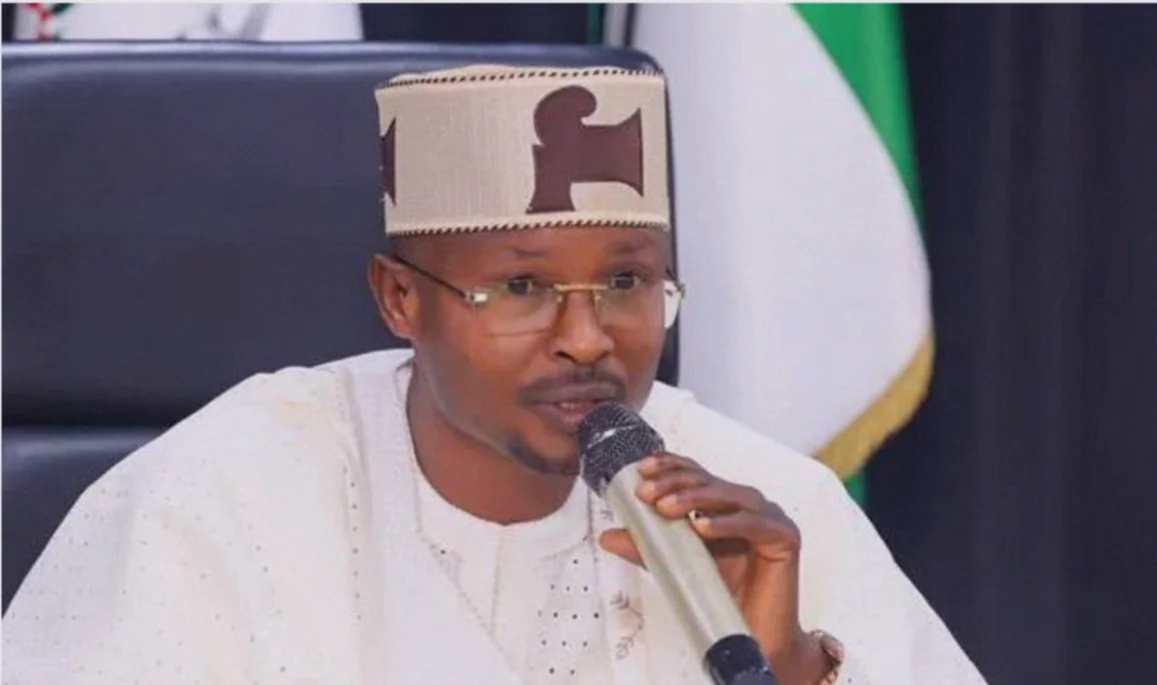
Leke Joseph Abejide, chairman of the House of Representatives Committee on Customs and Excise, has rejected claims that a planned leadership transition in the Nigeria Customs Service would force senior officials into early retirement. The allegations, he said, were built on misinformation and would mischaracterise how exits from the service are determined under existing public service rules.
At a glance
- Leke Joseph Abejide dismissed reports that the next Customs leadership would trigger forced retirement of senior officers.
- He said retirements in the service follow public service regulations, including retirement at age 60 or after 35 years of service.
- Abejide pointed to a long recruitment and promotion gap of roughly 16 years that created a generational imbalance in the workforce.
- He said more than 1,500 officers are expected to retire under Public Service Rule 100238.
- He denied any personal ties or political influence claims involving the nominee, Deputy Comptroller I.D. Olorunfemi.
- Abejide said the succession process is designed to sustain stability and continuity after the current Comptroller-General’s six-month transitional tenure.
- President Bola Ahmed granted an additional six-month extension for Comptroller-General Bashir Adewale Adeniyi two days earlier.
In a statement released on Sunday, Abejide responded to reports alleging that the purported appointment of Deputy Comptroller I.D. Olorunfemi as the next Comptroller-General would result in the premature retirement of multiple senior officials. The lawmaker described the narrative as misleading, arguing that it wrongly suggests leadership changes are being used to create openings for new postings.
Abejide said the Nigeria Customs Service’s retirement timeline is governed by the Public Service Rules, which require officers to leave the service once they reach 60 years of age or after completing 35 years in service. He stressed that the process is legal and statutory, not discretionary, and therefore cannot be used as a mechanism to remove staff to accommodate a successor.
“Retirement after 35 years in service or at the age of 60 is not by compulsion; it is by law,” Abejide said, adding that suggestions of retirements being engineered to make space for another appointment are false. He also argued that the claims have been amplified by misinformation allegedly linked to a junior officer within the Customs Service.
Workforce imbalance behind the timing
Beyond rejecting the “forced retirement” storyline, Abejide placed emphasis on the workforce structure that has built up over time. He said the Customs Service has been grappling with the consequences of a prolonged recruitment vacuum lasting about 16 years, which created a mismatch between age groups and career stages within the organisation.
According to the chairman, the absence of recruitment and career progression during that period meant many officers advanced through ranks at similar moments. That, he said, led to a concentration of personnel in upper seniority bands while leaving fewer officers in lower cadres, making the retirement wave more synchronised.
Abejide cited the service number categories 41000, 42000 and 43000, saying officers within those bands advanced almost simultaneously due to the stagnation that followed the recruitment gap. He added that the resulting structure has become top-heavy, with many officers occupying comparable ranks while a sizeable group is now nearing retirement age at the same time.
He further disclosed that more than 1,500 officers are expected to retire under Public Service Rule 100238. In his view, the scale and timing of these departures reflect a “natural and legally mandated” outcome rather than any deliberate consequence of leadership appointments.
Denies personal involvement
Abejide also dismissed claims connecting him personally to the incoming Customs chief. He said allegations of family ties or political influence are unfounded, adding that he has no personal relationship with the nominee and only became aware of him recently.
He maintained that he has no information about the nominee’s family background and no prior association with him. The chairman argued that the succession process is intended to ensure stability and continuity in leadership while also addressing structural issues created by years of recruitment gaps.
Finally, Abejide said the appointment process is being handled in line with established public service regulations following the six-month transitional tenure of the current Comptroller-General, Bashir Adewale Adeniyi. He noted that President Bola Ahmed granted another six-month extension for Adeniyi two days earlier, setting the timeline for the next leadership step.