Fuel marketers and retail operators in Nigeria are watching closely for signs of a renewed petrol price easing, as the state-owned Nigerian National Petroleum Company Limited (NNPCL) moves to restart key refining capacity in Port Harcourt and Warri through cooperation with Chinese companies. The prospect of more locally refined products arriving on the market comes amid heightened pressure on households and businesses following a worsening global oil shock.
In a development reported after a prolonged wait, NNPCL said it signed a Memorandum of Understanding on April 30, 2026 with Sanjiang Chemical Company and Xinganchen (Fuzhou) Industrial Park Operation and Management Co., Limited. The agreement is intended to support the completion of the Port Harcourt and Warri refineries, two facilities that have been largely offline for extended periods.
Background to Nigeria’s refinery restart push
- In May of the previous year, the Port Harcourt refinery was shut down for scheduled maintenance.
- Since that maintenance window, Nigeria’s state-owned refineries—including Port Harcourt alongside Warri and Kaduna—have remained closed.
- Over the last two decades, the country has spent roughly $18 billion on rehabilitation for the refineries, while additional investment estimated at about $25 billion has also been cited, yet the plants have continued to face long outages.
- As a result, Dangote Refinery in Lagos—a privately owned facility—has increasingly become the main source keeping domestic supply afloat.
- Even with the private plant’s role, questions have persisted about whether Nigeria’s refinery assets can be sustained and operated economically over time.
Global oil turbulence feeds into domestic fuel costs
Support for the latest refinery restart effort arrives as a crisis that began more than two months ago in the Middle East has unsettled both Nigerian and global economic conditions. The spillover from the Iran–United States–Israel conflict has pushed crude oil and domestic petrol prices higher, intensifying cost pressures inside Nigeria.
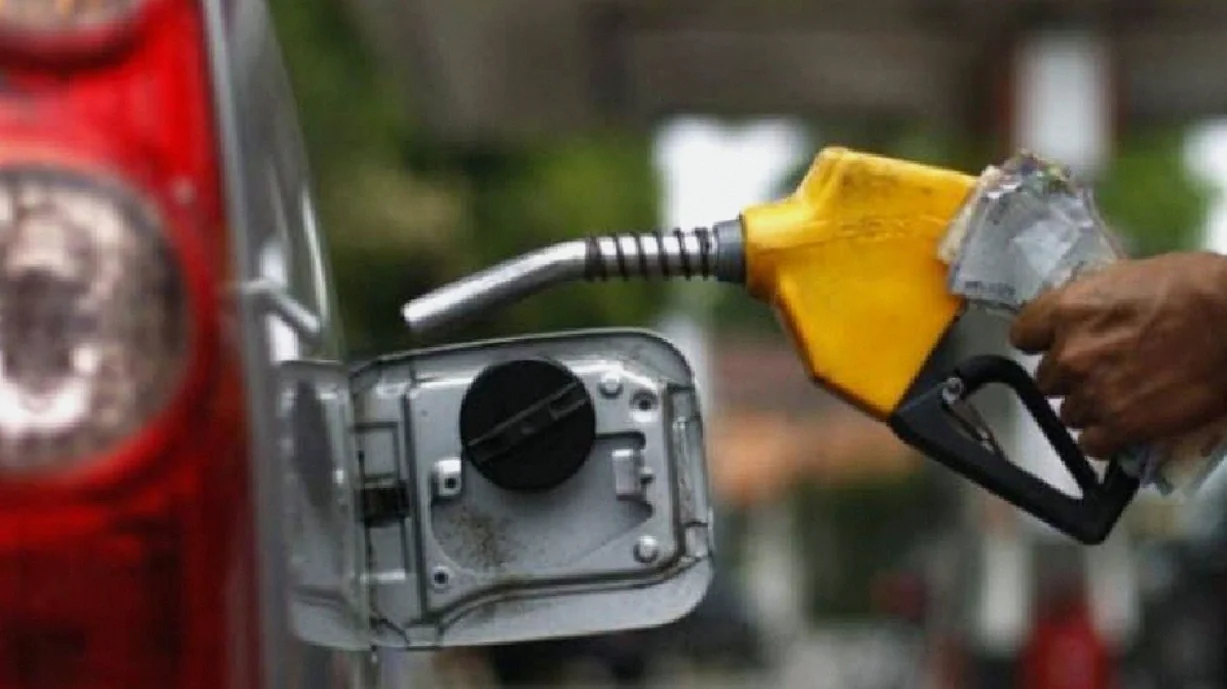
Checks showed Brent crude trading at $112 per barrel and West Texas Intermediate at $104 per barrel. Over the same period, domestic fuel prices in Abuja were reported to have risen to a range of about N1,364 to N1,380 per litre, up from roughly N800 per litre.
Rising pump prices have also translated into higher transportation costs across Nigeria over the past two months, adding to the strain on consumers and businesses already dealing with difficult economic conditions.
Market expectations from the NNPCL–Chinese MoU
Petroleum product marketers and retailers say the NNPCL–Chinese companies’ MoU implementation could improve the availability of refined products within the country. More in-country supply would, they argue, raise competition among sellers and potentially bring down the cost of refined petroleum products including petrol (PMS), automotive gas oil (AGO), and aviation fuel.
Billy Gillis-Harry, national president of the Petroleum Products Retail Outlets Owners Association of Nigeria, said the restart of refineries through the NNPCL partnership is significant for local refining capacity. He argued that increased supply from any refining source tends to intensify competition, which can pressure prices downward across refined categories.
Gillis-Harry said: “What we know is that the more refined products we get from any country, the higher the competition, driving down the price of any refined product, whether it’s PMS, AGO, aviation petrol, or any other. So it’s a good project.” He added that while the process had taken a long time, the momentum is now welcome.
Call for incentives to limit petrol price volatility
Meanwhile, the Independent Petroleum Marketers Association of Nigeria (IPMAN) urged the federal government to introduce measures that can cushion households and the marketing sector against further fuel-price swings while refinery capacity is being restored.
IPMAN spokesperson Chinedu Ukadike said the government should consider providing incentives targeted at motorists and marketers, including funding support. He suggested that such support would enable marketers to hold or reduce pump prices despite volatility.
Ukadike also emphasized that restarting Nigeria’s refineries remains the central priority, saying improved operation would help boost domestic refining output. He told reporters: “Provide incentives for motorists and also marketers in terms of funding. At that level marketers will reduce their prices at the pumps. Again, the Nigerian government refineries should be restarted to be able to boost in-country refining.”