
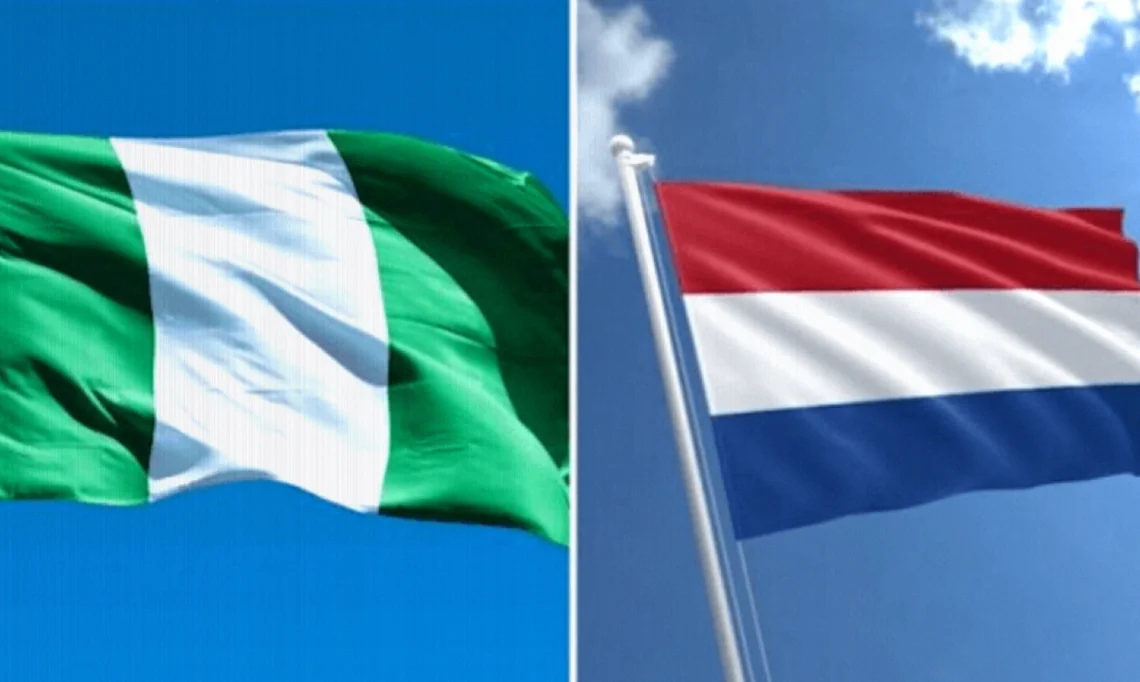
Nigeria and the Netherlands have signed a new trade facilitation arrangement aimed at smoothing legitimate commerce while reinforcing border controls. The agreement was reached between Nigeria Customs and the Dutch customs authority, with the partnership focused on improving trade procedures, strengthening border security and capacity, and countering transnational organised crime.
Key takeaways
- Nigeria Customs and the Netherlands Customs agreed a fresh trade facilitation framework to support smoother cross-border trade.
- The deal also targets stronger border security, capacity building, and efforts to disrupt transnational organised crime.
- The agreement was concluded in Brussels on Wednesday, 24 June 2026.
- Officials said the partnership is expected to deepen intelligence sharing and raise enforcement effectiveness.
- Both customs administrations highlighted the need to respond to shared challenges created by a more interconnected global trading system.
Agreement reached in Brussels
The collaboration was formalised on Wednesday, 24 June 2026, in Brussels, where Nigeria Customs’ Comptroller-General, Adewale Adeniyi, met with the Director-General of Netherlands Customs, Mrs Nanette van Schelven. The arrangement was announced in a statement released by customs spokesperson Abdullahi Maiwada.
As part of the understanding, both customs administrations committed to working more closely on trade facilitation and border management. The plan is designed to help authorities respond to evolving risks at crossings while keeping legitimate shipments moving through more efficient processes.
Focus on intelligence, capacity and enforcement
Adewale Adeniyi said the Netherlands’ customs experience underscores the value of international cooperation in dealing with new and emerging trade and border management challenges. He added that the partnership is intended to strengthen intelligence exchange, expand capacity-building efforts, and improve the effectiveness of enforcement operations.
He also framed the agreement as a step toward better protection of international supply chains without undermining the flow of authorised goods. In addition, the Comptroller-General described the declaration as a notable milestone within the service’s broader international cooperation agenda, pointing to the strong relationship the two customs administrations have built over recent years.
Mrs Nanette van Schelven said both administrations confront comparable pressures in an increasingly connected global trading environment. She noted that closer cooperation can support mutual learning, strengthen operational capability, and help tackle transnational organised crime.
At the same time, she said the collaboration should improve efforts to maintain efficient and transparent trade processes—balancing security objectives with the requirements of business and cross-border trade.