
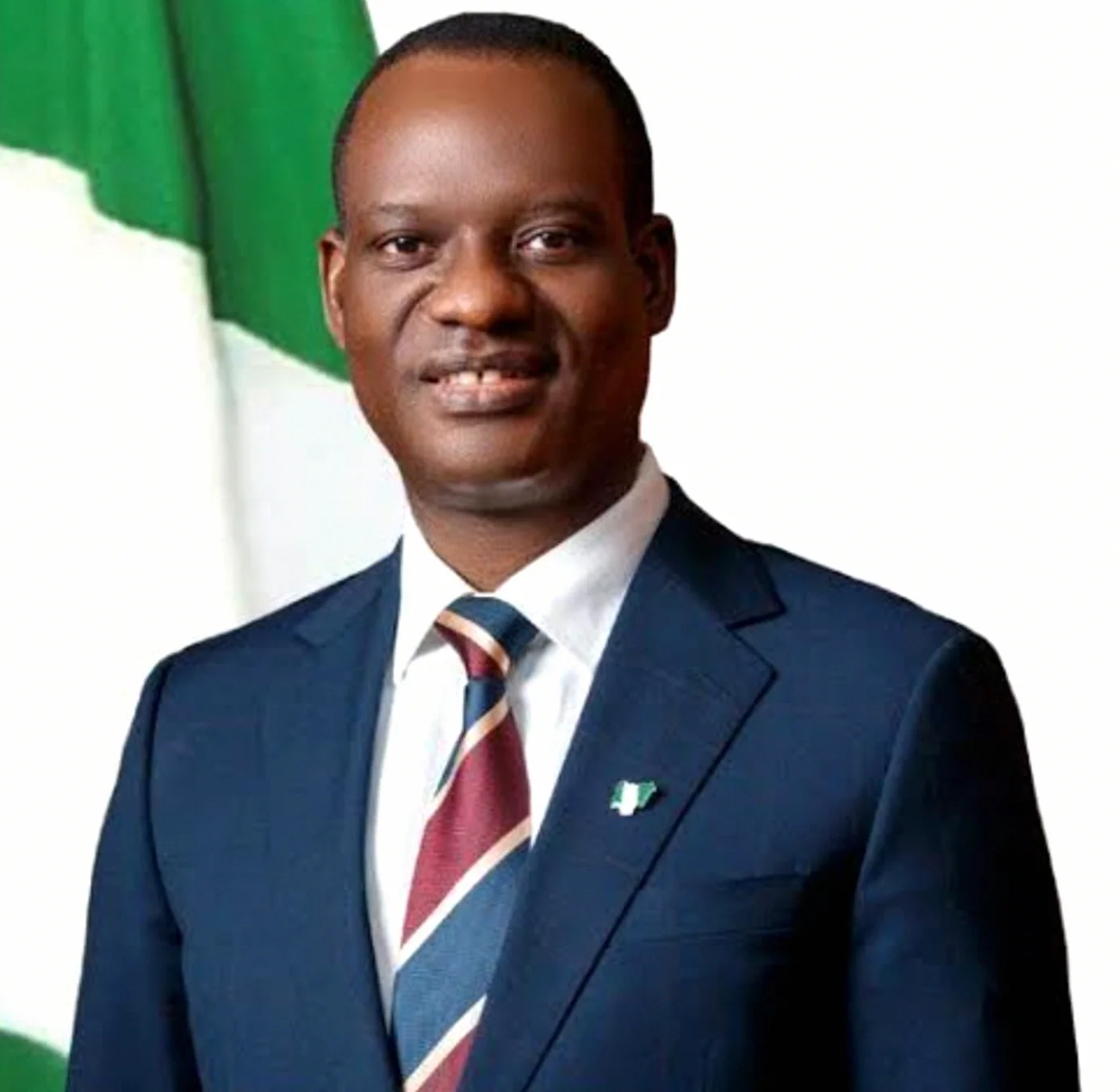
Finance Minister and economy coordinating minister Taiwo Oyedele has pushed back against criticism of the Federal Government’s borrowing, arguing that debt should be treated as a strategic financial instrument rather than a moral issue. Speaking on Tuesday at the 2026 Annual Conference of the Capital Market Academics of Nigeria (CMAN), he said the focus should shift from how much the state borrows to what it does with the funds.
Quick facts
- Taiwo Oyedele said the Federal Government’s borrowing policy is not “immoral.”
- He argued debt is a financial tool that can support economic growth.
- Oyedele called for a dedicated Commercial Dispute Resolution Tribunal to speed up business case handling.
- He said public debate often misses the central question of how borrowed money is used.
- He highlighted that the key issue is whether borrowing funds productive projects that generate returns above borrowing costs.
Oyedele’s remarks came as he urged Nigeria to improve its investment environment by strengthening dispute resolution for commercial matters. He advocated the creation of a dedicated tribunal designed to fast-track the resolution of business disputes, a move he suggested would help reduce friction for investors and companies operating in the country.
The minister also addressed a recurring theme in public discussion: the tendency to frame government borrowing as a moral failing. In his view, such commentary too often sidelines the more consequential question—whether the borrowed resources are directed to productive uses that can deliver returns sufficient to cover the cost of financing.
He argued that debt levels alone should not be the yardstick for judging borrowing decisions. Instead, the evaluation should consider the purpose of borrowing, the pricing or cost of funds, the expected return on investment, and the repayment conditions attached to the financing.
“The Federal Government’s borrowing is not immoral,” he said, adding that the relevant issue is never just the size of the debt. He stressed that the proper questions are what the debt is used for, at what cost it is raised, what return it is expected to generate, and how it will be repaid.
Oyedele went further, saying governments, businesses, and individuals should adopt responsible borrowing when it is tied to productive investment. He warned that rejecting borrowing in situations where it can finance value-creating activities amounts to a lost opportunity for economic progress.