
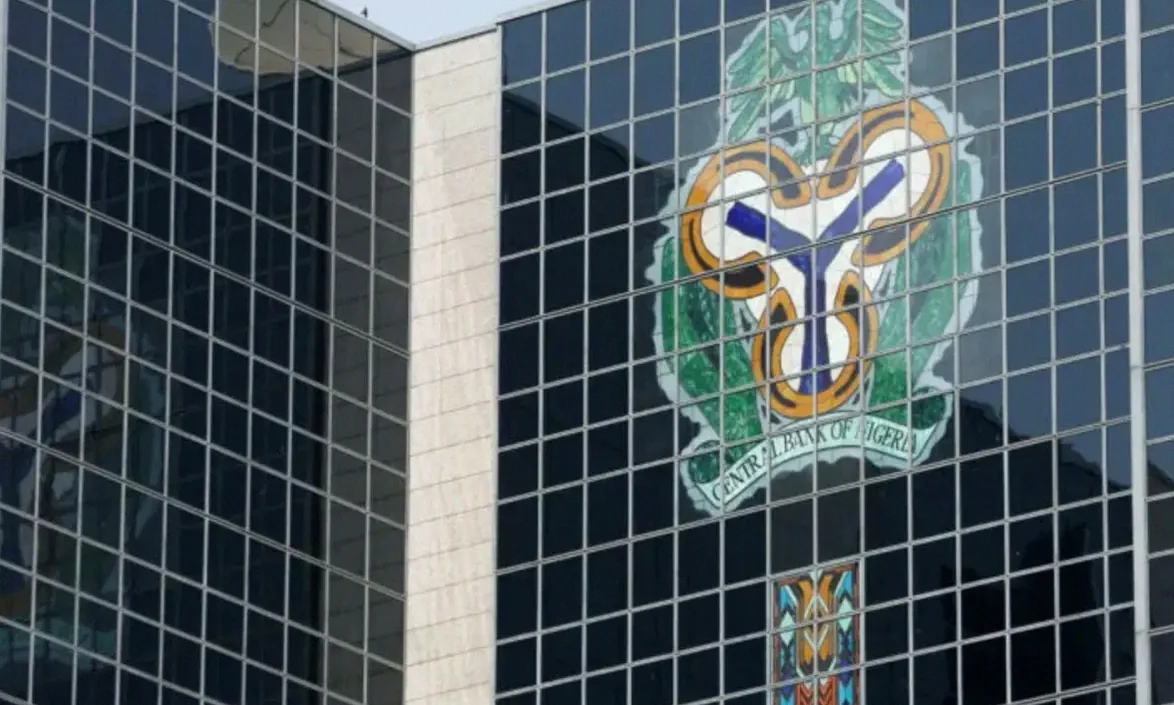
Nigeria’s central bank has kept its key lending rate unchanged, holding the Monetary Policy Rate (MPR) at 26.50%. Governor Olayemi Cardoso announced the decision at the close of the 305th Monetary Policy Committee meeting in Abuja on Wednesday, saying the choice was reached unanimously by committee members.
Quick facts
- CBN retained the Monetary Policy Rate at 26.50%.
- The decision was agreed unanimously by members of the Monetary Policy Committee.
- Cash Reserve Ratio (CRR) held at 45% for commercial banks and 16% for merchant banks.
- CRR of 75% on non-TSA public sector deposits was maintained.
- Liquidity ratio kept at 30%.
- Standing facilities corridor adjusted to +50/-450 basis points around the MPR.
- A CBN survey found most Nigerians want interest rates cut.
- Inflation rose in both April and March, reaching 15.69% and 15.38% respectively.
- In February 2026, the MPC cut the rate by 50 basis points at its 304th meeting.
Cardoso said the committee also maintained the Cash Reserve Ratio framework. Commercial banks will continue to hold 45% under the CRR, while merchant banks remain at 16%, and the 75% reserve requirement on non-TSA public sector deposits was left unchanged.
The governor further stated that the liquidity ratio was kept at 30%. In addition, the central bank adjusted the standing facilities corridor to a band of plus 50 and minus 450 basis points relative to the monetary policy rate, a move that shapes how borrowing and lending windows operate around the benchmark.
While policy rates have stayed elevated, the central bank reported that a recent survey shows most Nigerians are calling for a reduction in interest rates. The signal underscores the tension between public expectations for cheaper credit and the policy response to price pressures.
The decision lands against a backdrop of rising inflation. Nigeria’s inflation increased in both April and March, climbing to 15.69% in April from 15.38% in March, strengthening the case for caution even as households and businesses look for lower borrowing costs.
It also follows a prior easing step by the MPC. During its 304th meeting in February 2026, the committee cut the policy rate by 50 basis points, indicating a willingness to adjust—though Wednesday’s outcome shows that the latest adjustment did not extend further.