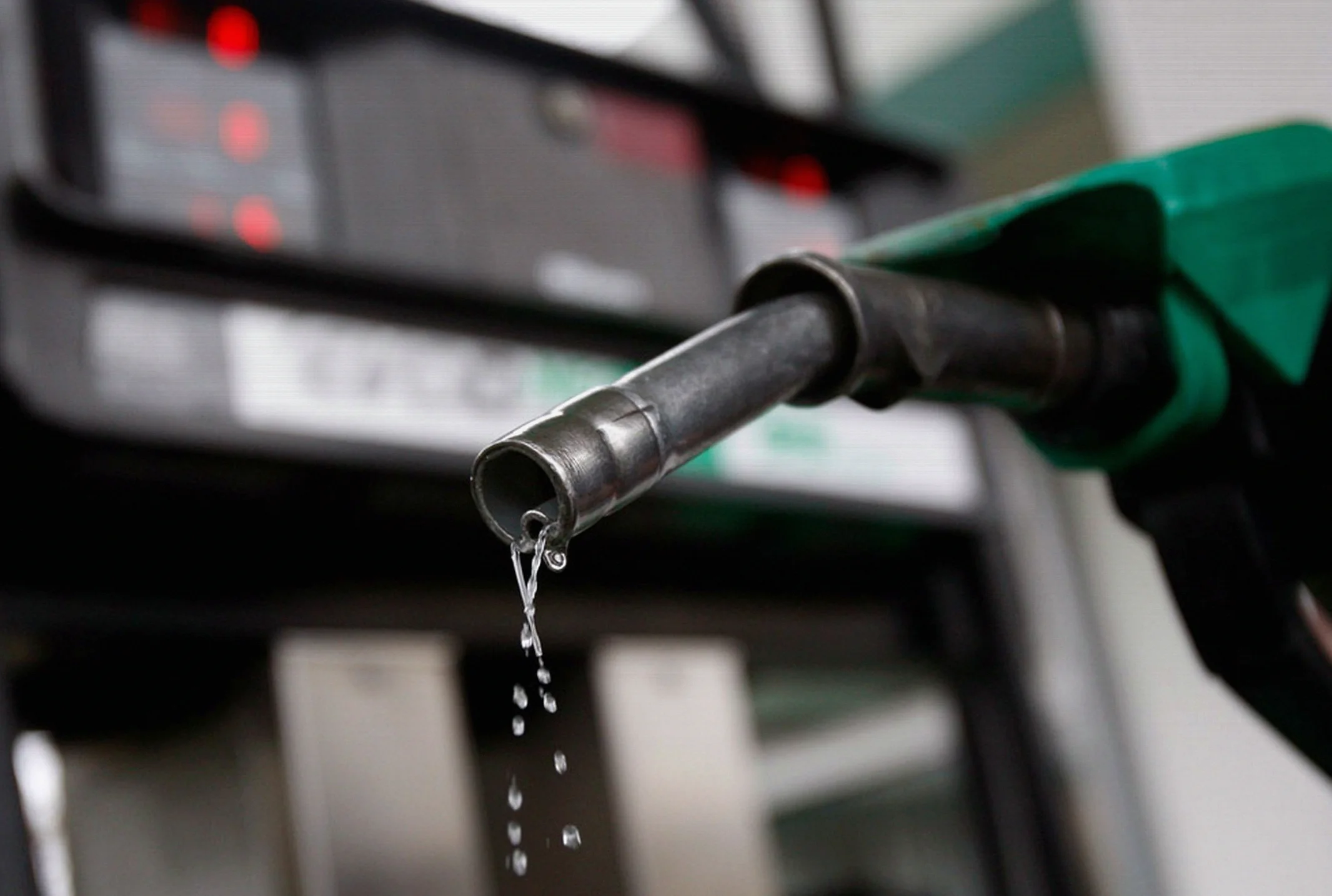
Nigeria’s retail fuel price jumped 463.03% to a floor of 1,340 naira per litre on June 2, 2026, up from 238 naira per litre three years earlier during the period before President Bola Tinubu took office. In the same comparison window, the cost of petrol rose by 1,102 naira per litre, underscoring the scale of the increase.
Tinubu announced the end of fuel subsidies on May 29, 2023. Since then, the government has also moved to liberalise the naira’s exchange-rate regime, a combination that has been linked to higher inflation—pushing headline inflation to 15.69% and food inflation to 16.09% as measured in April 2026. The policy shift has also been associated with immediate knock-on effects across household budgets, with prices for essentials such as food, rent, transportation and other day-to-day costs rising sharply for most Nigerians.
Economist Okechukwu Unegbu, a former president of the Chartered Institute of Bankers of Nigeria (CIBN), said the reforms have left Nigerians worse off than they were three years ago. He assigned Tinubu’s economic track record a score of 20%, pointing to the “harsh” conditions Nigerians are dealing with in the wake of the changes.
Unegbu argued that Nigeria’s recorded 3.89% Gross Domestic Product (GDP) growth does not reflect improvements experienced by ordinary people. “I will rate him only 20 percent because despite the so-called GDP that has risen, you cannot trace that to the marketplace,” he said in an interview with a Monday report.