Nigerian football is facing mounting scrutiny over its direction, with a heated television debate highlighting widespread anxieties about the health of the sport in the country. The discussion ranged from the Super Eagles’ uneven output to a deeper credibility problem at home, as speakers argued that the domestic game’s foundations are struggling as much as the performances on the field.
What the debate revealed about Nigeria’s football
- The programme focused on concerns that Nigeria’s recent difficulties on the continental and international stage reflect long-standing structural issues rather than a lack of ability or tactical mistakes.
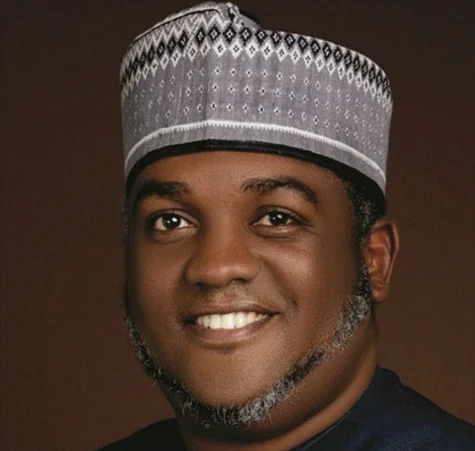
- Federal Capital Territory Football Association (FCTFA) chair Adam Mohammed Mouktar was among the panellists delivering a direct assessment of the sport’s problems.
Mouktar’s central message was that Nigeria’s setbacks cannot be explained only by what happens in matches. He suggested the bigger obstacle is the framework that governs football, saying the sport’s organisation and management have failed to keep pace with the demands of elite competition.
Structural failures, not just match-day decisions
Mouktar argued that Nigeria’s inability to consistently challenge Africa’s top sides should not be blamed on individual players, coaching choices, or isolated tactical calls. In his view, the situation is bigger than any single team selection or game plan.
“This goes beyond the pitch. The real question is the structure that supports football,” Mouktar said in an interview aired on African Independent Television (AIT).
He and other panellists pointed to multiple long-running weaknesses they believe have held the sport back, including years of ineffective planning, leadership that has failed to stabilise, and administrative shortcomings. They also noted that frequent disruptions in coaching appointments and shifting governance have prevented Nigeria from establishing a consistent football identity, leaving the system constantly reacting instead of planning for the long term.
NPFL officiating concerns and the credibility challenge
A major part of the discussion centred on the Nigeria Premier Football League (NPFL), with significant worry voiced over the standard of officiating. The panellists warned that repeated disputes involving refereeing decisions have steadily undermined public trust in the league’s integrity.
“If the league wants to be respected across Africa, transparency and accountability must be non-negotiable,” Mouktar said.
They added that, in recent months, clubs, players, and supporters have openly questioned several controversial calls during high-stakes league fixtures. The panellists cautioned that unless officiating improves in a meaningful way, the NPFL may struggle to retain sponsorship interest, maintain fan engagement, and protect the continental standing needed to grow into a truly competitive product.
Talent pipeline, recommendations, and the urgency to act
The debate also highlighted what was described as a central contradiction in Nigerian football: the country appears to keep producing players of top quality, yet the administrative structure surrounding the game is widely viewed as incapable of delivering the right environment for sustained progress.
“The talent has never been the problem. The issue is constructing a system that can nurture and safeguard that talent,” Mouktar said.
Panellists agreed that Nigeria’s passionate fan base, deep football culture, and large reservoir of skilled players remain strengths that many other African nations admire. They argued that the country still has the building blocks required for a rebuild, but only if those responsible are prepared to take action rather than delay decisions.
Key proposals mentioned on the programme
- Boost investment in grassroots football.
- Improve referees’ welfare and provide more professional training.
- Strengthen overall league management.
- Adopt a long-term national football development plan that can endure changes in administration.
Youth development was singled out as an area needing particular focus. The panellists insisted Nigeria cannot secure sustainable success without a proper structure that channels young players from academy football into the domestic league, before eventually feeding into the senior national teams.
As the discussion moved toward its end, the tone shifted from criticism to urgency. The message was that Nigerian football is approaching a decisive moment. With years of missed opportunities, continuing instability in the administration, and repeated disappointments testing supporters’ patience, the panellists nevertheless stressed that belief remains that Nigeria can return to its place among Africa’s football powerhouses.
Whether that comeback happens, Mouktar and the other panellists suggested, depends on whether officials are finally willing to confront the structural problems that have persisted for too long.