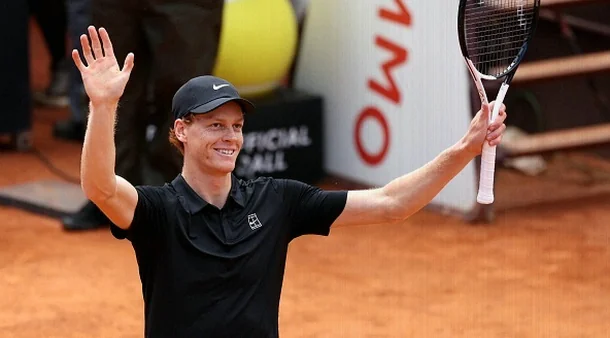
World number one Jannik Sinner is set up to complete a Grand Slam collection at the French Open after sweeping the full slate of Masters 1000 trophies earlier this month. With reigning champion Carlos Alcaraz withdrawing, the tournament’s complexion has shifted noticeably.
Alcaraz, who was targeting a third consecutive title in Paris, has built a reputation as the clay specialist to beat. His mix of shot variety, explosive acceleration and strong defensive coverage has often been enough to unsettle even players who thrive on steady baseline control.
Their head-to-head story has become one of the defining narratives in the men’s game. Still, on slower courts Alcaraz’s capacity to interrupt established patterns and force opponents into improvisation has tended to tilt the balance in his favour.
Quick facts
- Jannik Sinner is world number one and has won all Masters 1000 titles earlier in the month.
- He is chasing completion of the Grand Slam set at the French Open.
- Carlos Alcaraz has withdrawn due to a wrist injury.
- Sinner arrives with a 29-match winning streak, dropping three sets (two in tie-breaks).
- Sinner has French Open final experience, including a loss last year from two sets up.
Sinner heads into Roland Garros as the most rounded and reliable performer on the tour, carrying a 29-match run of victories. Across that streak, he has conceded three sets, with two of those coming down to tie-breaks.
Over the last two seasons, his clay-court game has developed in a meaningful way, though not via a dramatic tactical overhaul. Instead, the improvement has come through steady adjustments to how he moves, how long he stays patient, and how he builds points.
Despite the refinements, the core of his approach remains rooted in the same baseline depth and intensity. He still manages to take time away from opponents earlier than almost anyone else on tour, but now he handles the tougher middle stretches of matches with more authority and composure.
That kind of control is especially valuable in Paris. Matches there rarely run as perfectly clean sequences across five sets, and the ability to manage both the physical toll and the mental rhythm often matters as much as pure shot quality.
Sinner has looked increasingly comfortable absorbing longer rallies and difficult momentum swings without losing the structure of his own game. Alongside that, his improved serve has added a significant weapon for navigating the cumulative demands of the two-week schedule.
Why last year still matters
Last year’s French Open final—heart-breaking for the 24-year-old after he led by two sets—served as a powerful reminder that he is not simply an all-court contender who adapts to clay. Instead, it reinforced the idea that he belongs at Roland Garros as a genuine title threat.
Even in defeat, he demonstrated that he can keep his level through the second week and cope with the intensity, physicality and tactical depth required to reach—and compete in—a final on Court Philippe-Chatrier.
His results at the other major events have already confirmed his status. With two Australian Open trophies, plus U.S. Open and Wimbledon titles, he has moved from a player building credibility to one setting standards across the men’s game.
So Roland Garros now looks less like a lingering question mark and more like the last major test within an already remarkably complete profile.
Alcaraz’s absence due to a wrist injury naturally changes the Paris picture. It removes the one opponent who has repeatedly found ways to pull Sinner into uncomfortable zones on this particular surface.
That said, it doesn’t guarantee an effortless run, because clay remains the least predictable venue in men’s tennis. Two weeks in Paris almost inevitably bring physical strain and tactical twists that can complicate even the most dominant performances.
Still, the withdrawal strengthens the argument that this edition could represent Sinner’s clearest route yet to completing the Grand Slam set.